One of the most common questions travelers have when booking a private charter flight is simple: how much luggage can I actually bring? Unlike commercial airlines, where baggage rules are fairly standardized, private aviation involves a wide range of aircraft types, each with its own cabin size, cargo hold, and weight considerations. Understanding how baggage capacity varies by aircraft can help you plan a smoother trip and avoid last-minute surprises.
Sky500.com connects travelers with a network of certified Part 135 charter operators, giving access to a variety of aircraft types for different trip needs. While Sky500 does not own or operate aircraft itself, understanding the general categories of aircraft available through its network can help travelers think through what might work best for their luggage and travel plans.
Why Baggage Capacity Varies So Much
Private aircraft are built for different missions — some prioritize speed and short runways, others are designed for long-range comfort, and some are configured primarily for passenger space rather than cargo. Because of this, the external baggage compartments (and sometimes internal storage areas) differ significantly in size from one aircraft to the next. Weight and balance requirements also play a role, since total weight — including passengers, fuel, and baggage — must stay within the aircraft's certified limits.
Turboprops and Light Aircraft
Smaller aircraft, such as the Beechcraft Bonanza or Beechcraft Baron, are often used for shorter trips with fewer passengers. These aircraft typically have more limited baggage space compared to larger jets, since much of the design is focused on passenger seating and fuel efficiency rather than cargo volume. Turboprops like the Beechcraft King Air 90, King Air 100, King Air 200, and King Air 300 offer a step up in both passenger comfort and baggage capability, making them a popular choice for regional travel where moderate luggage needs exist.
Light Jets
Light jets, such as the Beechcraft Beechjet 400 or Beechcraft Premier 1, generally offer a bit more external baggage storage than turboprops while still maintaining efficient performance for shorter to mid-range flights. These aircraft are often chosen by travelers who want the speed of jet travel without the larger cabin footprint of a midsize or super-midsize aircraft. Because light jets balance passenger count with baggage space, it's worth considering the number of travelers and the volume of luggage together when thinking about this category.
Midsize and Super-Midsize Jets
Aircraft like the Bombardier Challenger 300, Challenger 350, and Challenger 600 series fall into the midsize and super-midsize categories, which typically offer considerably more baggage room than light jets. These aircraft are often used for longer trips, including cross-country travel, where passengers may be bringing more substantial luggage, sports equipment, or business materials. The larger cabin and cargo areas on these jets make them a practical option when baggage volume is a bigger consideration.
Large Cabin and Long-Range Jets
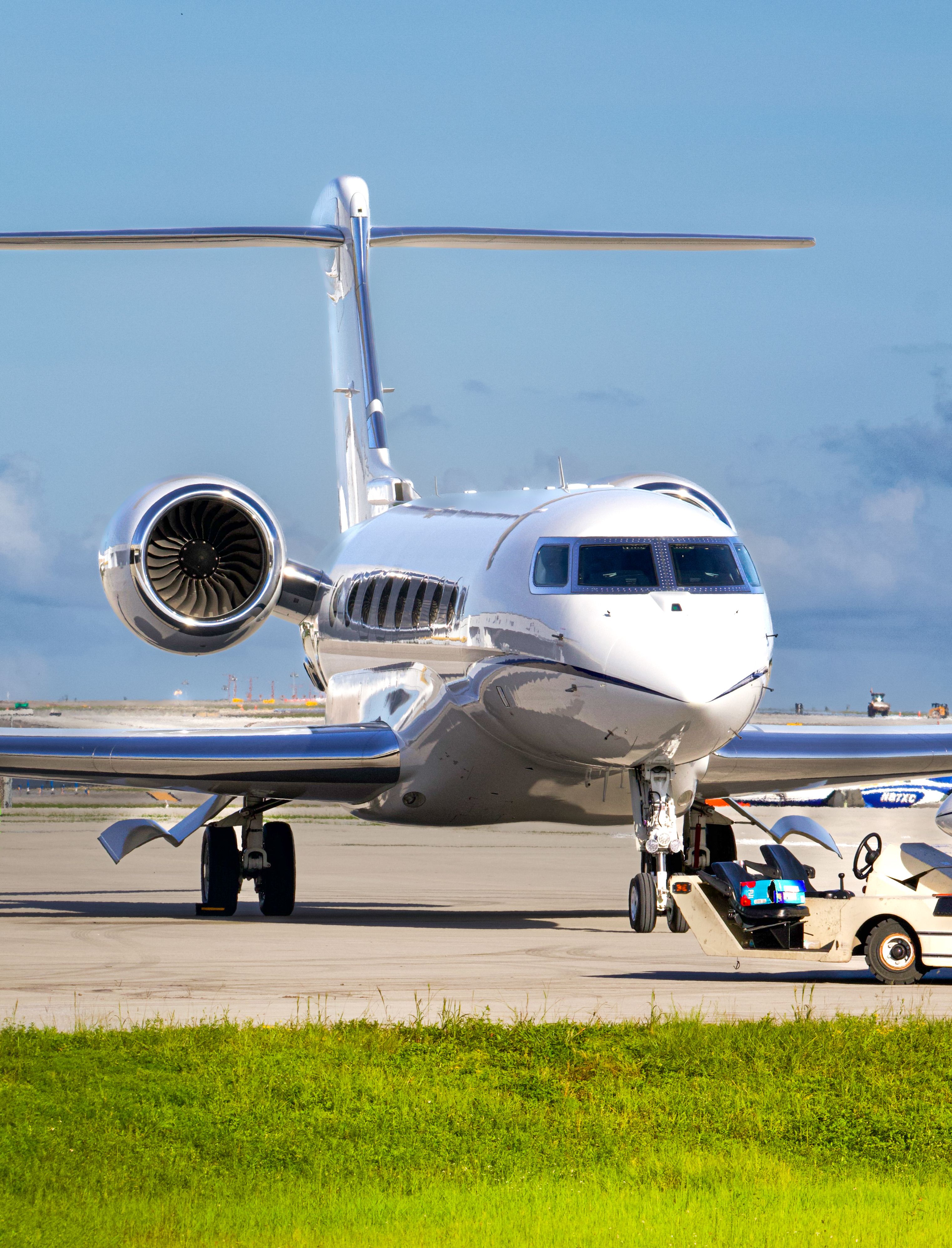
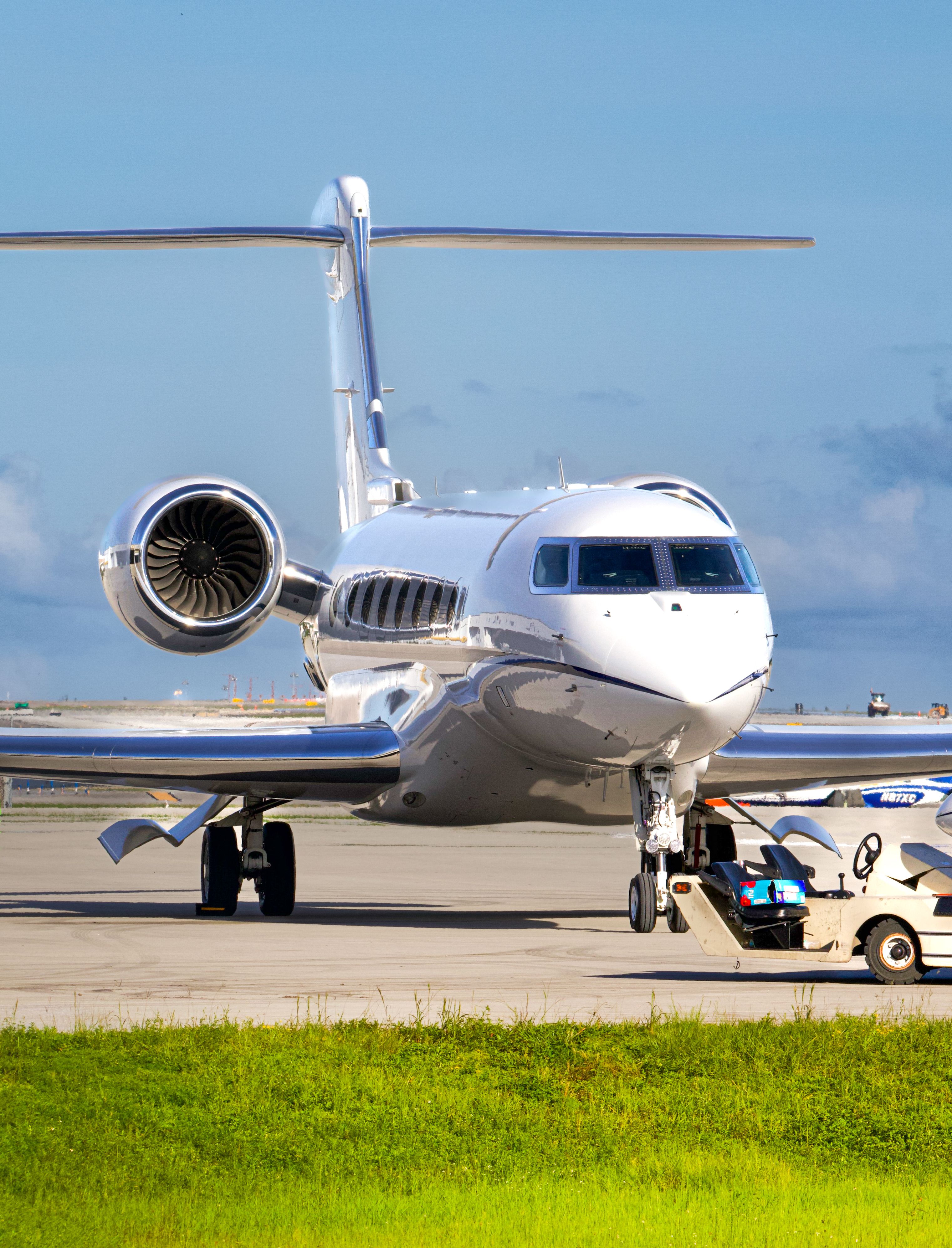
For travelers needing significant baggage space combined with long-range capability, aircraft such as the Bombardier Global 5000 or Bombardier Challenger 605 and 650 provide expanded cargo holds designed to accommodate longer trips with more passengers and belongings. These aircraft are often selected for international travel or extended stays, where additional luggage, including multiple bags per passenger, is more common.
Airliner-Type and VIP Aircraft
At the top end of the spectrum, aircraft like the Airbus ACJ319, ACJ320, Boeing 737 BBJ, Boeing 757, and Boeing 747 offer substantially more cargo space than smaller private jets, given their size and original design for commercial or VIP use. These aircraft are typically used for larger groups or special travel needs where baggage volume, along with passenger count, is considerably higher than what a light or midsize jet could accommodate.
Helicopters
For shorter regional or point-to-point trips, helicopters such as the Airbus Helicopters AS350 A-Star, AS355 Twin Star, H145, or Bell 206, 407, and 429 are sometimes used. Baggage space in helicopters is generally more limited than in fixed-wing aircraft, so travelers using rotorcraft for transfers should plan for lighter packing or coordinate separate transport for larger items.
Tips for Planning Your Baggage Around Aircraft Type
- Consider the number of passengers traveling, since baggage allowances are often shared across the group based on the aircraft's total weight capacity.
- Think about the nature of your trip — a short regional hop may call for a smaller aircraft with less baggage room, while a longer trip may benefit from a larger-cabin jet.
- If you're bringing unusually shaped or oversized items, such as golf clubs or ski equipment, it's worth discussing this directly with the operator ahead of time.
- Remember that weight distribution matters as much as volume — operators calculate weight and balance for every flight, so total baggage weight is just as relevant as suitcase size.
How Sky500 Can Help
Because baggage needs vary so much depending on aircraft type, trip length, and passenger count, it helps to work with a service that can connect you with the right operator for your specific trip. Sky500.com is an online travel service that connects travelers with a network of certified Part 135 charter operators, including access to discounted empty leg flights. There is no membership fee to use Sky500, and the platform can help travelers explore options across a range of aircraft types suited to different baggage and travel needs.
If you'd like to discuss your trip and get a better sense of which aircraft category might suit your baggage requirements, you can reach Sky500 at 818-769-3535.