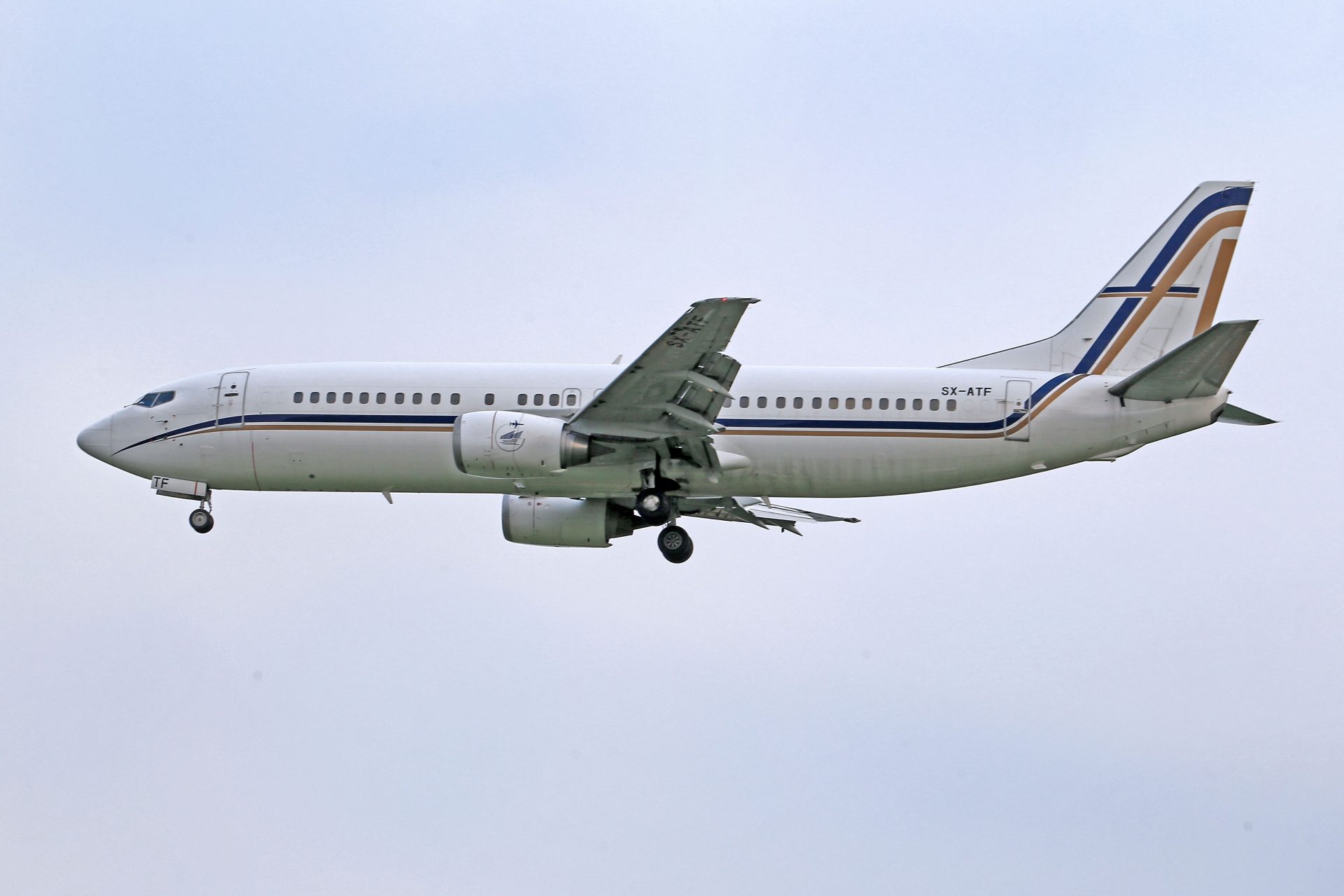
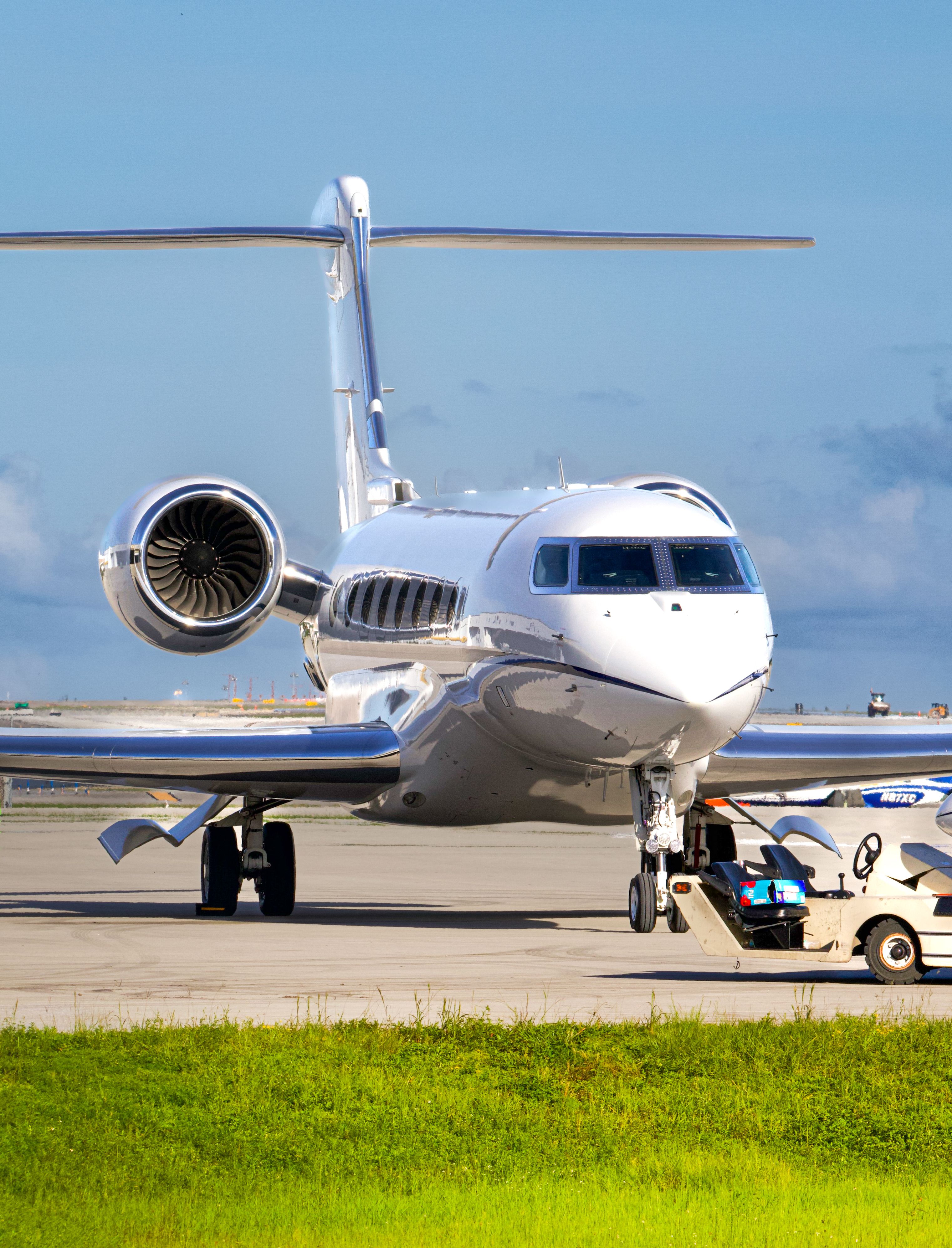
When people think about private aviation, they often picture a single generic "private jet." In reality, aircraft used for private charter range enormously in size, from compact turboprops to large-cabin airliners, and that size difference shapes nearly everything about the onboard experience. Understanding how cabin comfort changes as aircraft get larger can help travelers set realistic expectations and think more clearly about what matters most for a given trip.
Cabin Height and the Ability to Stand
One of the first things travelers notice when comparing aircraft is cabin height. In smaller turboprops and light jets, cabins are often low enough that most adults cannot stand fully upright. As aircraft grow into the midsize and super-midsize categories, cabin height typically increases, allowing more passengers to stand comfortably while moving through the cabin. By the time you reach large-cabin aircraft, many passengers can walk the aisle without stooping at all, which changes the whole feel of a flight from "snug and efficient" to "spacious and relaxed."
Cabin Width and Seating Configuration
Width matters just as much as height. Narrower cabins generally mean seats positioned closer together, with less room for wide individual seats or face-to-face club configurations. As cabin width grows, operators can offer more generous seating layouts, including four-across club seating, divans, and sometimes separate seating zones. This additional width also tends to translate into wider aisles, making it easier to move around during flight, access the galley, or reach the lavatory without disturbing other passengers.
Baggage and Storage Space
Smaller aircraft typically have limited external baggage compartments, which can be a real consideration for longer trips or groups traveling with sports equipment, musical instruments, or extra luggage. As aircraft size increases, baggage capacity generally increases as well, and many larger cabins also include internal closets or storage areas that aren't available on smaller airframes. This is a practical, often-overlooked comfort factor: having your belongings easily accessible in-flight rather than sealed away in an external hold.
Noise, Vibration, and Smoothness
Larger aircraft generally benefit from more robust soundproofing and cabin insulation, along with engines mounted farther from the passenger cabin. The result is often a quieter ride, which can make conversation easier and reduce fatigue on longer flights. Larger aircraft also tend to have higher wing loading and more mass, which can contribute to a smoother ride in turbulence compared to lighter aircraft, though turbulence response always depends on specific conditions and aircraft design.
Range and the Comfort of Fewer Stops
Comfort isn't just about the physical cabin environment, it's also about the shape of the journey itself. Smaller aircraft, such as light jets, often have shorter range and may require a fuel stop on longer trips. Larger aircraft, including super-midsize and large-cabin jets, typically offer extended range capable of covering longer distances without stopping. For travelers, this can mean the difference between one long, uninterrupted flight and a journey broken up by a refueling stop, which matters for both comfort and total trip time.
Amenities Onboard
As cabin size and payload capacity grow, aircraft can accommodate more onboard amenities. Light aircraft tend to focus on the essentials: comfortable seating, basic refreshment storage, and perhaps a simple lavatory. Moving into midsize and large-cabin categories, you may find full galleys, enclosed lavatories, more sophisticated entertainment and connectivity systems, and additional configurations for work or rest. Very large aircraft, including those based on airliner platforms, can sometimes offer private cabins, dedicated work areas, or lounge-style seating sections.
Matching Aircraft Size to the Trip
None of this means bigger is automatically better for every trip. A short flight with two or three passengers may be perfectly comfortable in a light jet, while a long-haul journey with a larger group might benefit from the extra space, range, and amenities of a larger cabin. Sky500 works with a network of Part 135 certified operators whose fleets include aircraft across this full size spectrum, from light aircraft like the Beechcraft King Air family and Beechcraft Premier 1, to midsize and super-midsize jets such as the Bombardier Challenger 300 and Challenger 605, up to large-cabin options like the Bombardier Global 5000 and airliner-based aircraft such as the Boeing 737 BBJ, Boeing 757, and Boeing 747.
How Sky500 Fits Into the Picture
Sky500.com is an online travel service that connects travelers with certified Part 135 charter operators, including access to discounted empty leg flights. It's important to understand that Studio Jet, Inc., doing business as Sky500.com, does not own, operate, or maintain any aircraft, and is not itself an air carrier or Part 135 operator. Instead, Sky500 helps travelers explore options across a network of operators so they can think through questions like cabin size, range, and amenities before choosing the aircraft that best fits their trip.
There is no membership fee to use Sky500, and travelers with questions about how aircraft size relates to comfort, range, or trip planning can call 818-769-3535 to learn more.
The Takeaway
Cabin comfort doesn't change in just one way as aircraft get larger, it changes across height, width, noise levels, baggage space, range, and available amenities, all at once. Thinking about these factors together, rather than focusing on size alone, can help travelers choose an aircraft category that genuinely matches what they need for a given trip, whether that's a quick regional hop or a long-haul journey with a larger group.