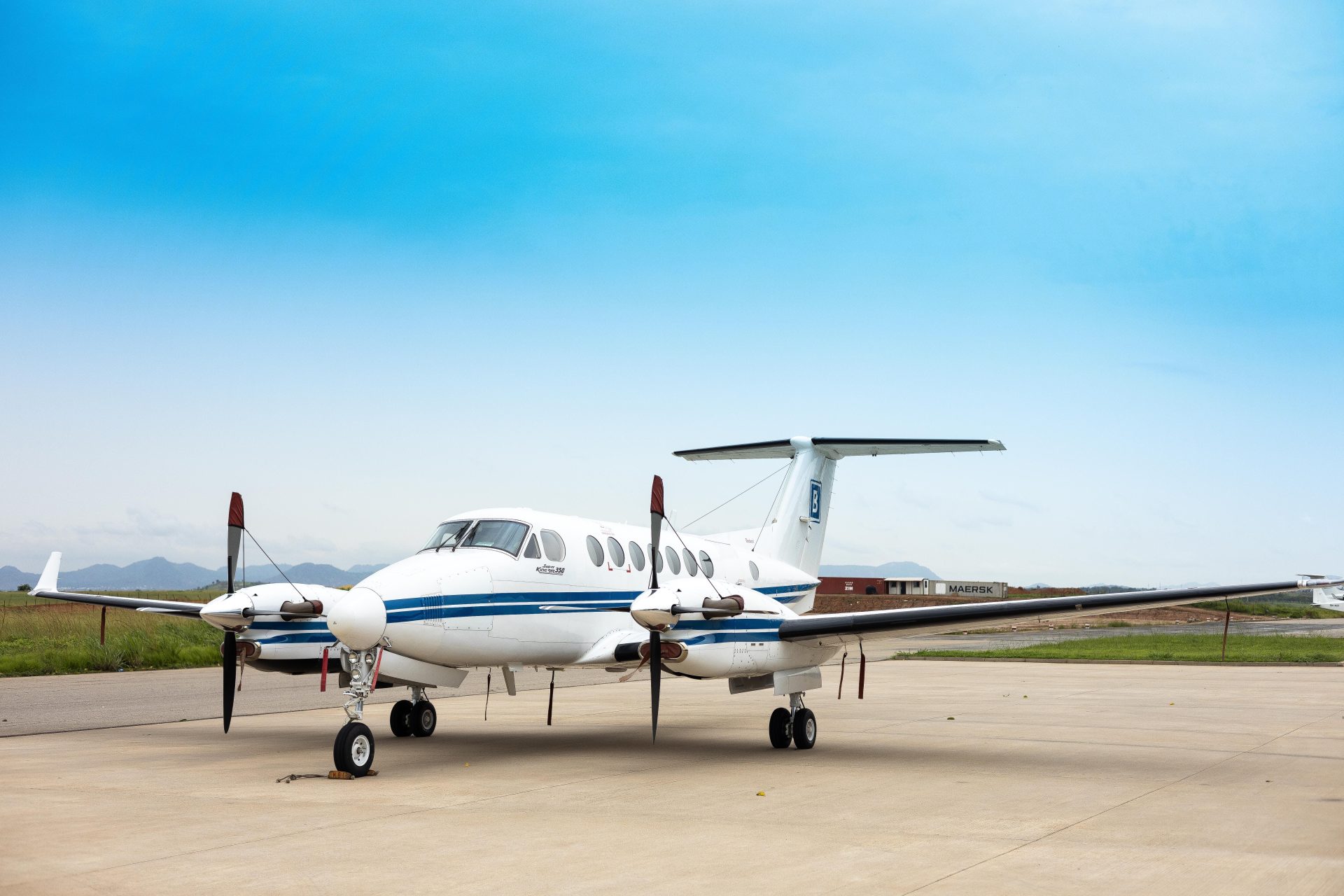
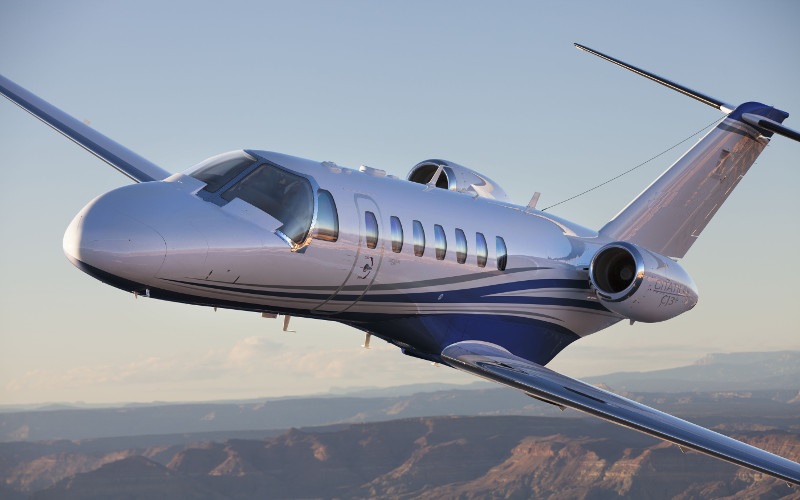
One of the most appealing aspects of flying privately is the ability to use smaller, more convenient airports that commercial airlines rarely serve. But that flexibility comes with an important caveat: not every aircraft can land at every airport. The size of the aircraft you choose plays a major role in determining which runways, and which airports, are actually accessible for your trip.
Understanding this relationship can help travelers set realistic expectations when planning a private flight, whether it's a short regional hop or a long-haul international journey.
Why Runway Length Matters
Every aircraft has minimum runway length requirements based on its weight, engine performance, and the speed it needs to reach for a safe takeoff and landing. Larger, heavier aircraft generally need longer runways because they carry more fuel, more passengers, and more weight overall, all of which affect how much distance they need to safely get airborne or come to a stop.
Smaller aircraft, by contrast, are often able to use shorter runways. This is one of the key reasons light jets and turboprops can access many smaller regional and municipal airports that larger jets simply cannot use.
Light Aircraft and Turboprops
Aircraft such as the Beechcraft King Air series or the Beechcraft Bonanza and Beechcraft Baron are known for their ability to operate from shorter runways and smaller airports. This makes them well suited for trips to destinations that don't have the infrastructure to support larger commercial-style jets. If your destination is a small town or a rural area with a modest airstrip, a turboprop or light aircraft may be the only practical option.
Midsize and Super-Midsize Jets
Jets like the Bombardier Challenger 300 or Challenger 350 strike a balance between range, cabin comfort, and runway flexibility. These aircraft can typically access a wider range of airports than larger jets while still offering the speed and comfort needed for longer trips. This category is often a practical middle ground for travelers who want more space and range without being limited to only the largest airports.
Large Jets and Airliner-Type Aircraft
At the top end of the size spectrum, aircraft such as the Boeing 737 BBJ, Boeing 747, Boeing 757, or the Airbus ACJ319 and ACJ320 require substantially longer runways and more robust airport infrastructure. These aircraft are built for long-range travel and larger passenger loads, but that capability comes with the tradeoff of needing major airports with longer paved runways, more substantial taxiways, and the ground support services to handle bigger aircraft.
Helicopters: A Different Kind of Access
Helicopters operate under a different set of rules entirely. Aircraft like the Airbus Helicopters H145, AS350 A-Star, or the Bell 407 and Bell 429 don't require a traditional runway at all. Instead, they can often land at designated helipads, private properties, or other approved landing zones, which opens up a different kind of flexibility that fixed-wing aircraft simply can't match. For short regional trips or getting into locations without any runway infrastructure, helicopters offer a unique advantage.
Airport Infrastructure Beyond the Runway
Runway length isn't the only factor. Airport elevation, surrounding terrain, runway surface condition, and even local weather patterns can all affect which aircraft are suitable for a given airport. Airports at higher elevations, for example, often require longer runways for the same aircraft because thinner air reduces engine and wing performance. Similarly, airports surrounded by mountains or other obstacles may have additional operational restrictions regardless of runway length.
Taxiway width, ramp space, and the availability of fuel and maintenance support also factor into whether a particular aircraft can realistically operate at a given airport. A runway might technically be long enough for a larger jet, but if the airport lacks the ground infrastructure to support it, that aircraft may still be impractical for that location.
Why This Matters When Planning a Private Flight
When working with a charter operator to plan a trip, aircraft size and airport compatibility go hand in hand. A key benefit of private aviation is the ability to fly into smaller airports closer to your actual destination, cutting down on drive time compared to commercial travel. But that benefit depends on choosing an aircraft that's appropriately sized for the runways available at both your departure and arrival airports.
This is where working with experienced charter operators becomes valuable. They can help match the right aircraft type, whether that's a turboprop, a midsize jet, a large-cabin jet, or even a helicopter, to the specific airports involved in your itinerary.
How Sky500 Fits In
Sky500.com is an online travel service that connects travelers with certified Part 135 charter operators, including access to discounted empty leg flights. There is no membership fee to use Sky500. Sky500 itself does not own, operate, or maintain aircraft, and it is not a direct or indirect air carrier or Part 135 operator. Instead, it works with a network of certified operators who operate a range of aircraft, from light aircraft and turboprops to midsize and large-cabin jets, as well as helicopters.
If you're planning a trip and want help understanding which types of aircraft might be suitable for your route and destination airports, you can reach Sky500 at 818-769-3535 to discuss your options with the network of operators available through the platform.