For travelers covering long distances or flying with a larger group, the type of aircraft can make all the difference. While light jets are well suited to short regional hops, super-mid and heavy jets are built for longer journeys, offering more cabin space, additional amenities, and the range to connect distant cities without multiple stops. Understanding what separates these categories can help you plan a more comfortable and efficient trip.
What Makes a Jet "Super-Mid" or "Heavy"?
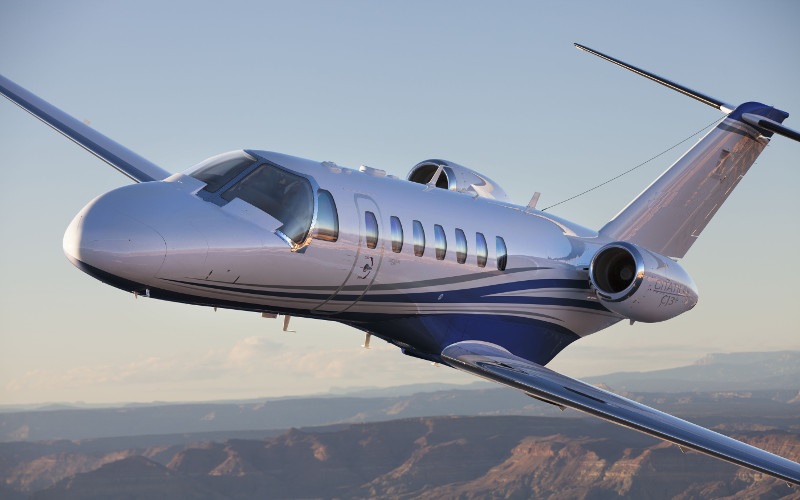
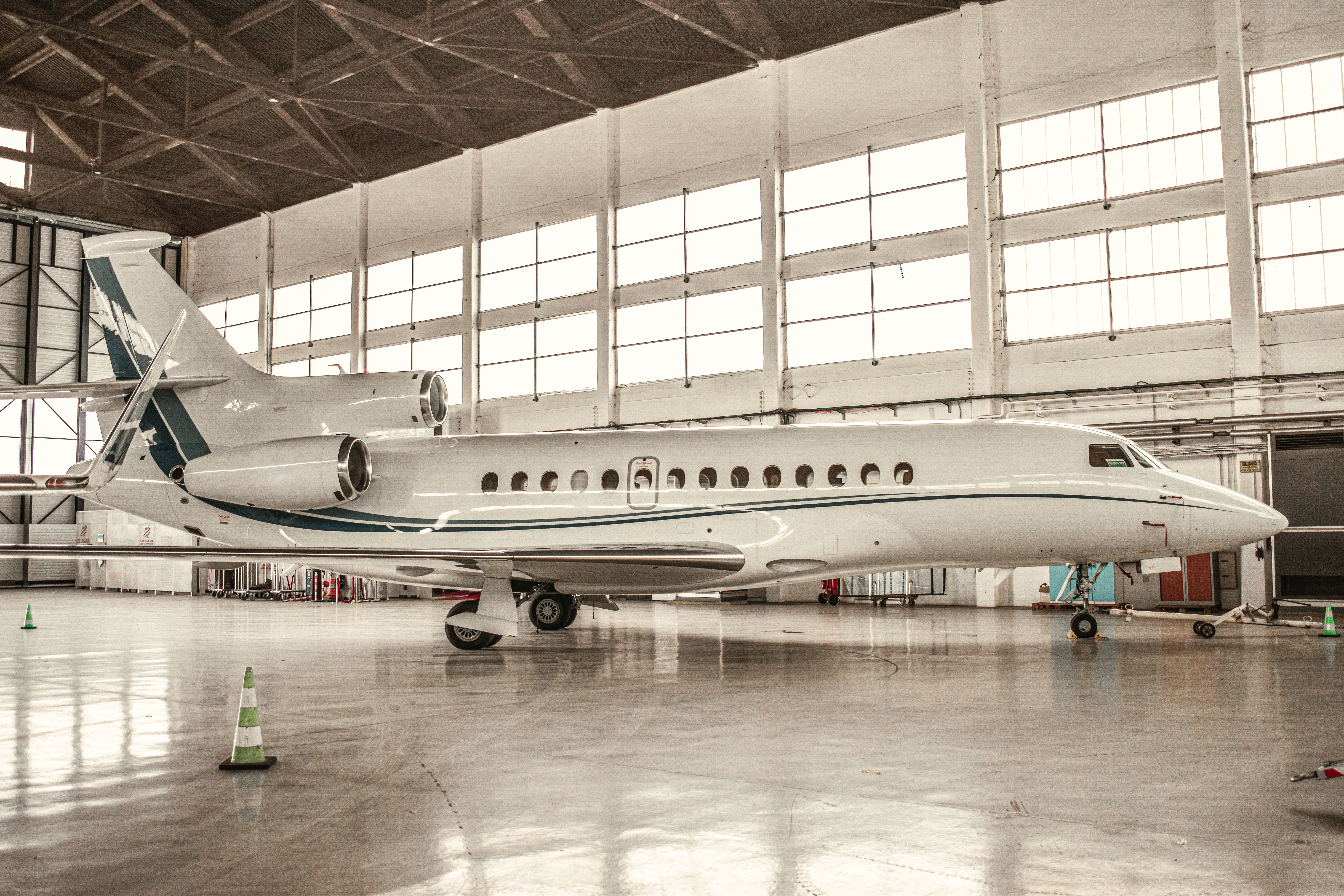
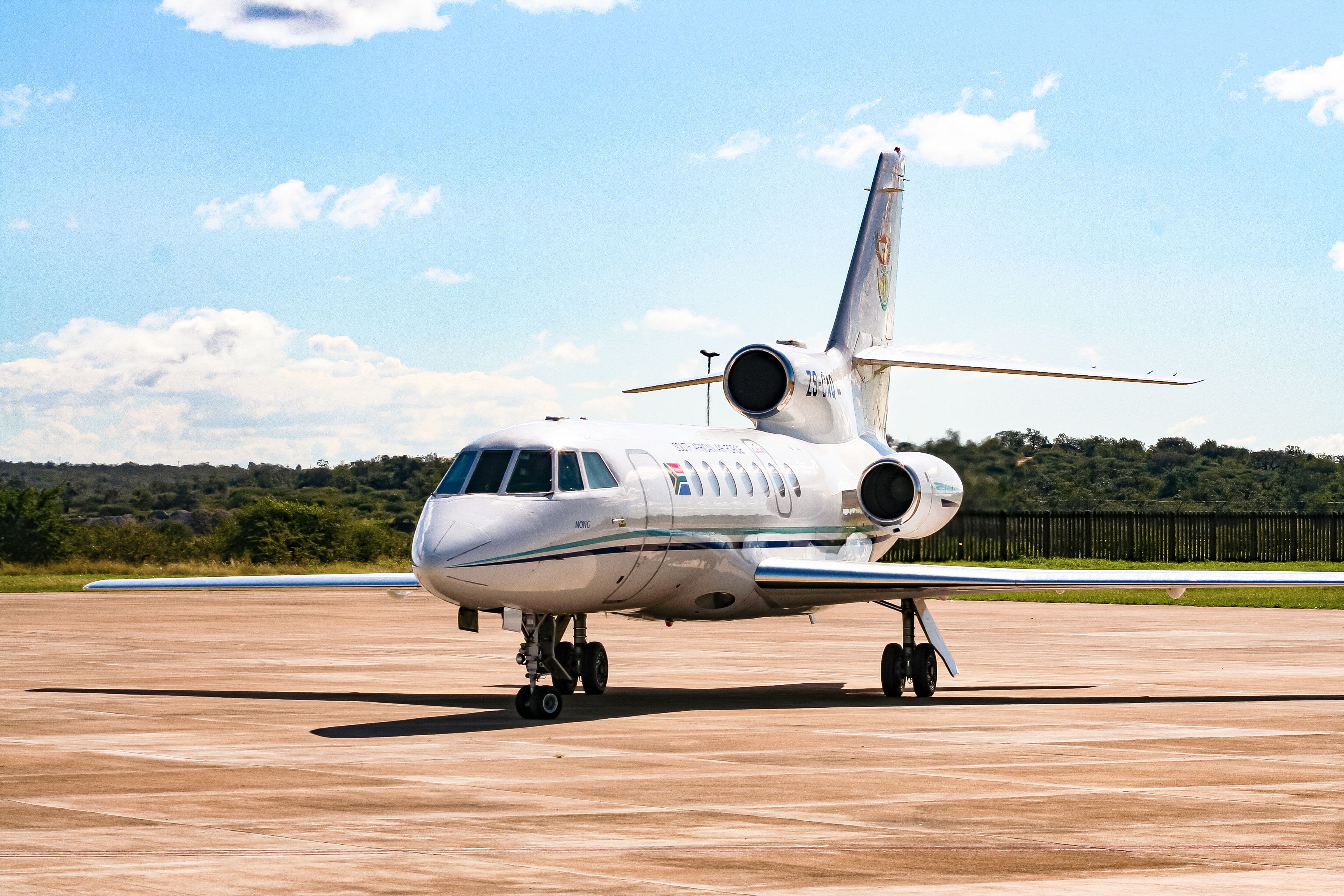
Private aircraft are generally grouped by size, range, and cabin volume. Super-mid jets sit between midsize and heavy categories, typically offering a wider cabin, a taller stand-up interior, and enough fuel capacity to fly several hours without refueling. Heavy jets go a step further, with larger cabins, longer range capabilities, and often the ability to carry more passengers in a configuration that feels closer to a private living room than a traditional aircraft cabin.
Among the aircraft available through Sky500's network of certified Part 135 operators, examples in these categories include the Bombardier Challenger 300, Challenger 350, Challenger 600, 601, 604, 605, and 650, as well as the Bombardier Global 5000. On the heavier end, operators in the network may also offer aircraft such as the Boeing 737 BBJ, Boeing 757, and Boeing 747, along with the Airbus ACJ319 and ACJ320 — airliner-based jets converted for private use, known for exceptional range and cabin space.
Why Range Matters
One of the biggest advantages of stepping up to a super-mid or heavy jet is range. These aircraft are designed to cover long distances, often enabling nonstop travel between destinations that might otherwise require a fuel stop in a smaller aircraft. For travelers with international itineraries or cross-country routes, this can translate into meaningful time savings and a smoother overall journey, since fewer stops mean less time spent on the ground.
Cabin Comfort for Longer Flights
Longer flights call for more livable space, and super-mid and heavy jets are built with that in mind. Features commonly found in these categories include:
- Stand-up cabins that allow passengers to move around comfortably
- Separate seating areas or configurations that support both work and rest
- Additional baggage capacity for longer trips
- Enclosed lavatories and, in some heavy jets, separate crew and passenger areas
- Quieter cabins relative to smaller aircraft, which can reduce fatigue on long legs
These details matter most when flight times stretch beyond a couple of hours, where the extra room and quiet can make a noticeable difference in how passengers feel upon arrival.
Who Tends to Choose These Categories?
Super-mid and heavy jets are often considered by groups traveling together, families on extended trips, or business travelers who need to work productively in the air. Because these aircraft can typically accommodate more passengers than light jets, they can also be a practical option when a group wants to fly together rather than splitting across multiple smaller aircraft.
How Sky500 Fits Into the Picture
Sky500.com is an online travel service that connects travelers with certified Part 135 charter operators, including access to discounted empty leg flights. It's important to note that Studio Jet, Inc. DBA Sky500.com does not own, operate, or maintain any aircraft, and is not itself an air carrier or Part 135 operator. Instead, Sky500 acts as a connection point, helping travelers explore options across a network of operators who do hold the appropriate certifications.
There is no membership fee to use Sky500, which means travelers can explore available options, including super-mid and heavy jet possibilities, without a financial commitment just to start the conversation. Because every operator maintains its own fleet and availability, the specific aircraft offered for a given route will depend on what that operator has on hand at the time of the request.
Questions to Ask When Considering a Super-Mid or Heavy Jet
If you're weighing whether a larger aircraft category makes sense for an upcoming trip, consider asking:
- How many passengers will be traveling, and how much luggage will they bring?
- What is the total distance of the trip, and will a nonstop flight be preferable?
- How long is each leg of the journey, and would additional cabin space improve comfort?
- Does the itinerary call for a layout that supports meetings, rest, or both?
Answering these questions can help clarify whether a super-mid jet's added range and cabin space fit the trip, or whether a heavy jet's extended capabilities are a better match.
Getting Started
Choosing between aircraft categories doesn't have to be complicated. Sky500 can help connect you with Part 135 certified operators whose available aircraft align with your trip's distance, passenger count, and comfort preferences. Whether you're exploring a super-mid jet for a cross-country trip or a heavy jet for an international journey, the right fit depends on the specifics of your itinerary.
To learn more or start exploring options, you can reach Sky500 at 818-769-3535. There is no membership fee required to inquire, making it a straightforward way to understand what's available for your next trip.