One of the first questions travelers ask when considering a private flight is simple: how many people can actually come along? The answer depends heavily on the type of aircraft, its cabin configuration, and the mission it was designed for. Unlike commercial airliners, which are built to maximize seat count, private aircraft are configured with comfort, range, and flexibility in mind — which means passenger capacity can vary enormously from one aircraft to the next.
In this guide, we'll walk through the general categories of private aircraft and the passenger ranges typically associated with each, so you have a better sense of what to expect when planning a trip.
Helicopters and Light Rotorcraft
For short regional hops, airport transfers, or scenic flights, helicopters are a popular option. These aircraft tend to carry smaller groups, often in the range of four to six passengers depending on the model and equipment on board. Aircraft such as the Airbus Helicopters AS350 A-Star, Bell 206, and Bell 407 are commonly used for this kind of travel, while slightly larger options like the Airbus Helicopters H145 or Bell 429 can accommodate a few more passengers in a twin-engine configuration.
Turboprops and Light Piston Aircraft
Turboprops and piston aircraft are often chosen for shorter regional trips where speed isn't the top priority but efficiency and access to smaller airports are. These aircraft typically seat anywhere from four to eight passengers. Examples include the Beechcraft Bonanza and Beechcraft Baron for smaller groups, and the Beechcraft King Air family — including the King Air 90, 100, 200, 300, and 350 — which offers a bit more room and range as you move up the lineup.
Light and Midsize Jets
Light jets are a common entry point into jet travel, generally carrying somewhere between six and nine passengers. Aircraft like the Beechcraft Beechjet 400 and Beechcraft Premier 1 fall into this category, offering a step up in speed and comfort compared to turboprops while still being nimble enough for shorter trips and smaller airports.
Moving into the midsize and super-midsize categories, cabins grow larger and passenger counts typically rise to the range of seven to ten. The Bombardier Challenger 300 and Bombardier Challenger 350 are well-known examples in this space, often chosen for their balance of range, speed, and cabin comfort on longer domestic or international trips.
Large-Cabin and Heavy Jets
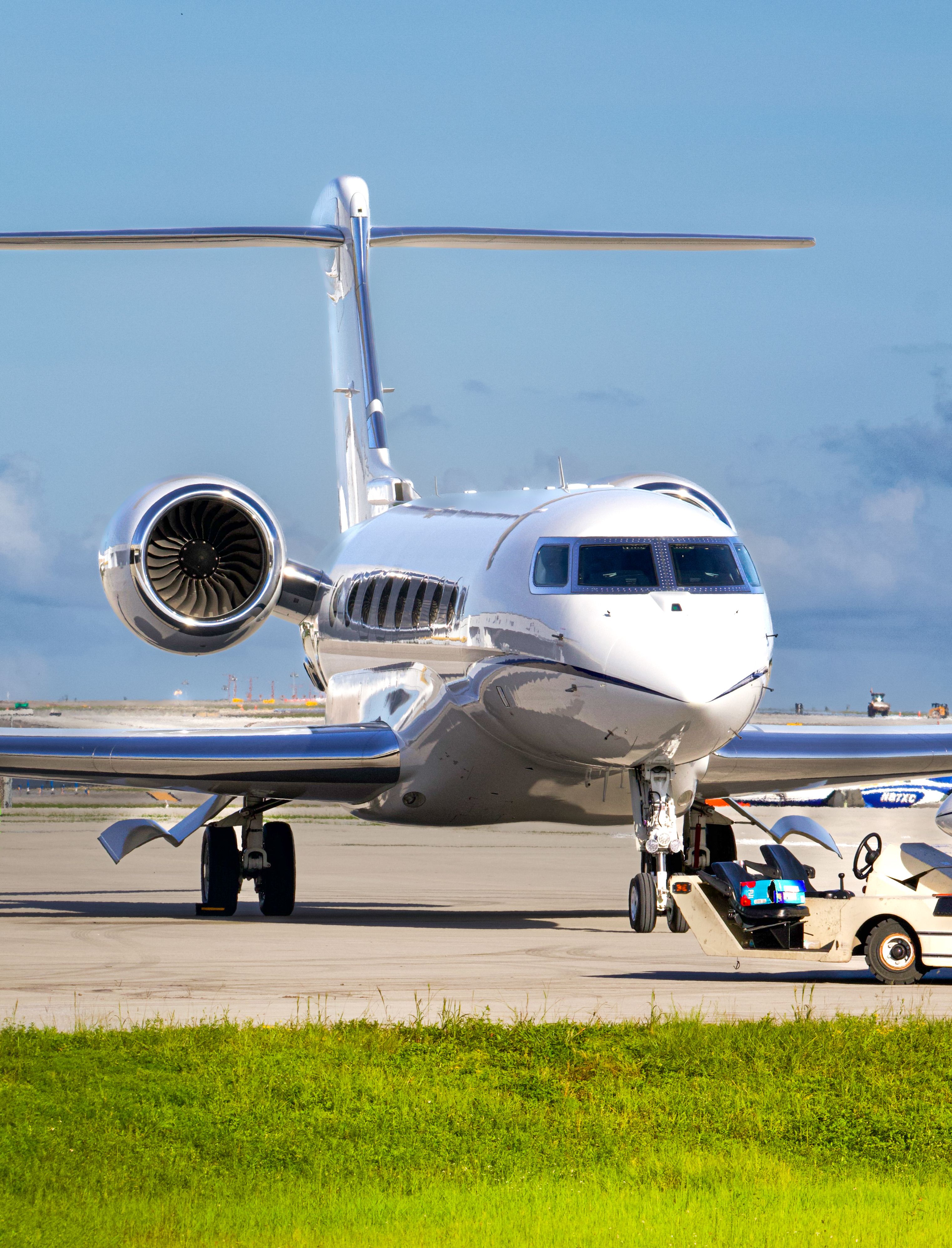
For longer journeys or larger groups, large-cabin jets provide significantly more space — both for passengers and for standing room, galleys, and lavatories. Aircraft such as the Bombardier Challenger 600, Challenger 601, Challenger 604, Challenger 605, and Challenger 650, along with the Bombardier Global 5000, generally seat passengers in the range of nine to fourteen, though exact configurations vary by operator and interior layout.
Airliner-Based and VIP Aircraft
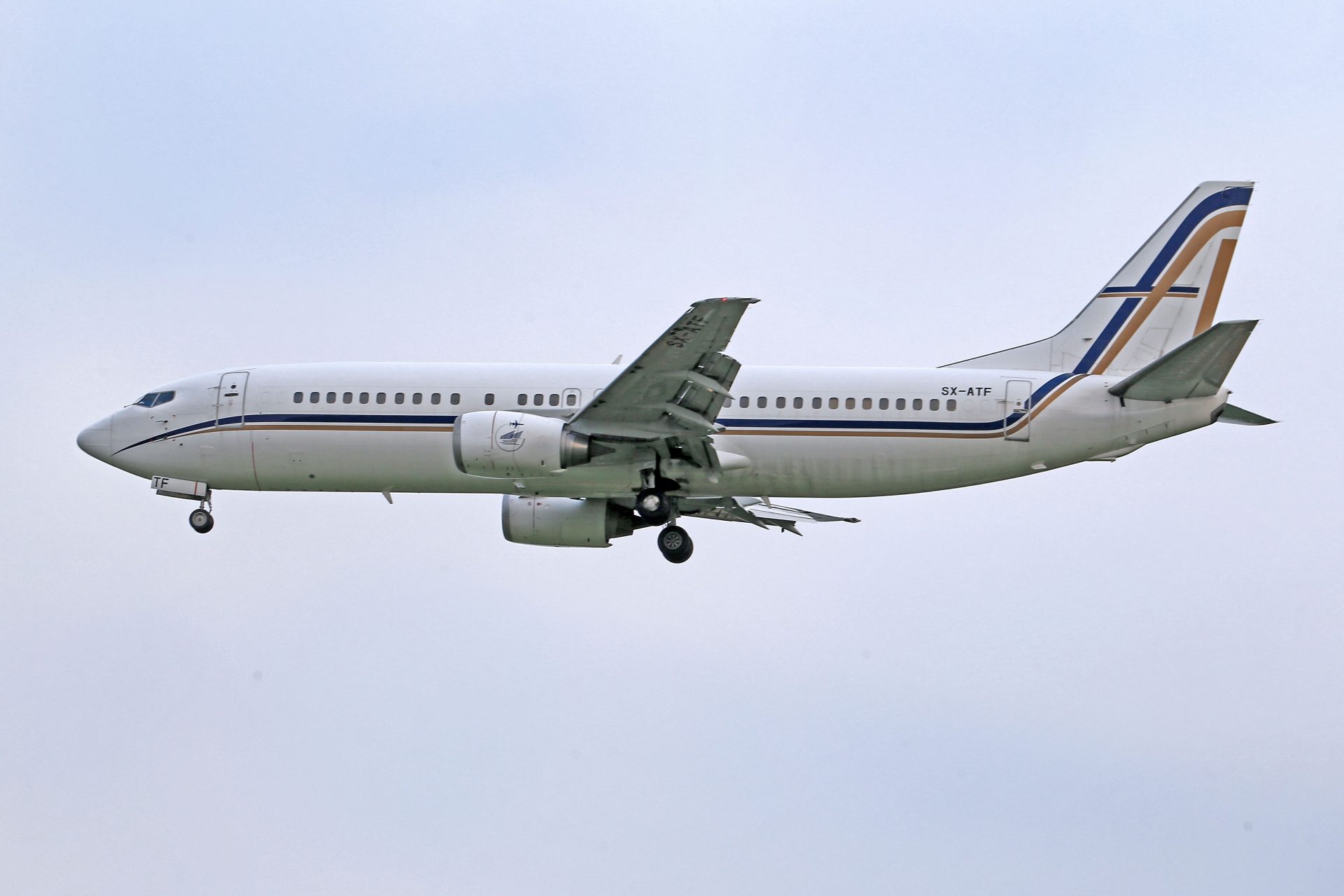
At the top end of the private aviation spectrum are aircraft derived from commercial airliners, reconfigured for VIP use. These include the Airbus ACJ319, Airbus ACJ320, Boeing 737 BBJ, and even widebody aircraft like the Boeing 747 and Boeing 757. Because these aircraft are so large, their private configurations often prioritize space over seat count — featuring lounges, bedrooms, and conference areas — so passenger capacity can range widely from a few dozen to well over 100, depending entirely on how the operator has configured the interior.
Why Capacity Isn't the Whole Story
It's worth remembering that passenger capacity is only one piece of the puzzle. Range, runway requirements, baggage space, and cabin amenities all play a role in determining which aircraft makes sense for a given trip. A group of six traveling a short distance might be perfectly comfortable in a light jet, while that same group on a longer international route may be better served by a midsize or large-cabin aircraft with more range and cabin space.
How Sky500 Can Help
Sky500.com is an online travel service that connects travelers with certified Part 135 charter operators, including access to discounted empty leg flights. Sky500 does not own, operate, or maintain aircraft, and is not itself an air carrier — instead, it works with a network of Part 135 certified operators who fly a wide range of aircraft, from helicopters and turboprops to large-cabin and airliner-based jets.
There is no membership fee to use Sky500, making it an accessible way to explore what's available for your specific group size and travel needs. If you're trying to figure out which type of aircraft fits your passenger count and trip requirements, the team at Sky500 can help point you toward operators with suitable options.
Whatever the size of your group, understanding these general categories can make it easier to have an informed conversation when planning your next private flight. For more information, Sky500 can be reached at 818-769-3535.