For travelers who regularly cross the country or the globe, the type of aircraft underneath them matters a great deal. Ultra-long-range jets are built specifically for these missions, combining extended range, spacious cabins, and the ability to fly above weather and congested airspace for hours at a time. Understanding what sets these aircraft apart can help you make smarter decisions the next time you're planning a long-haul private charter.
What Defines an Ultra-Long-Range Jet?
Unlike light or midsize jets designed for regional hops, ultra-long-range aircraft are engineered to cover thousands of miles without stopping to refuel. This category typically includes larger-cabin jets with heavier fuel capacity, more powerful engines, and reinforced structures that allow them to cruise efficiently at high altitudes for extended periods. The result is the ability to connect distant city pairs — think New York to Los Angeles, or further international routes — without the need for a technical stop.
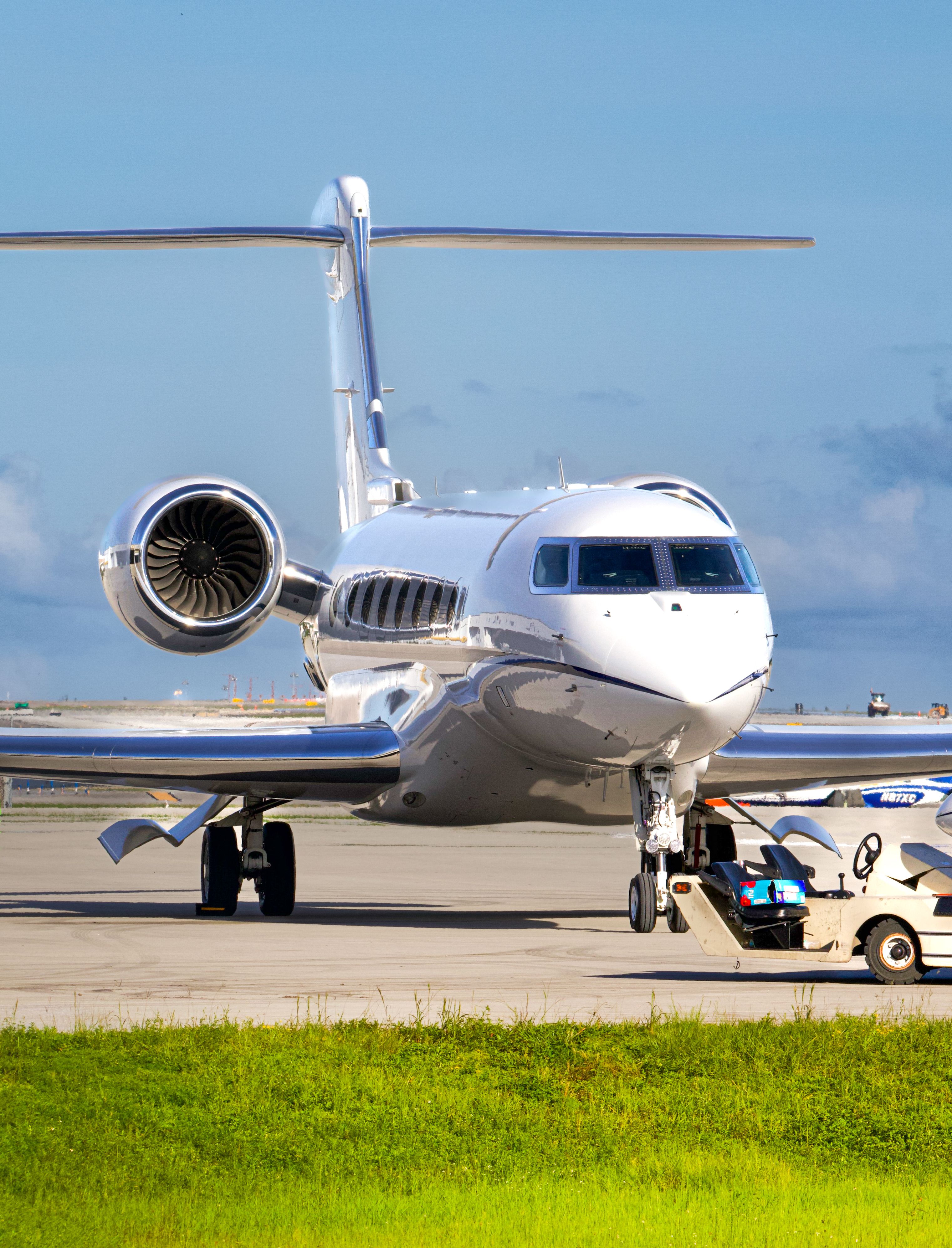
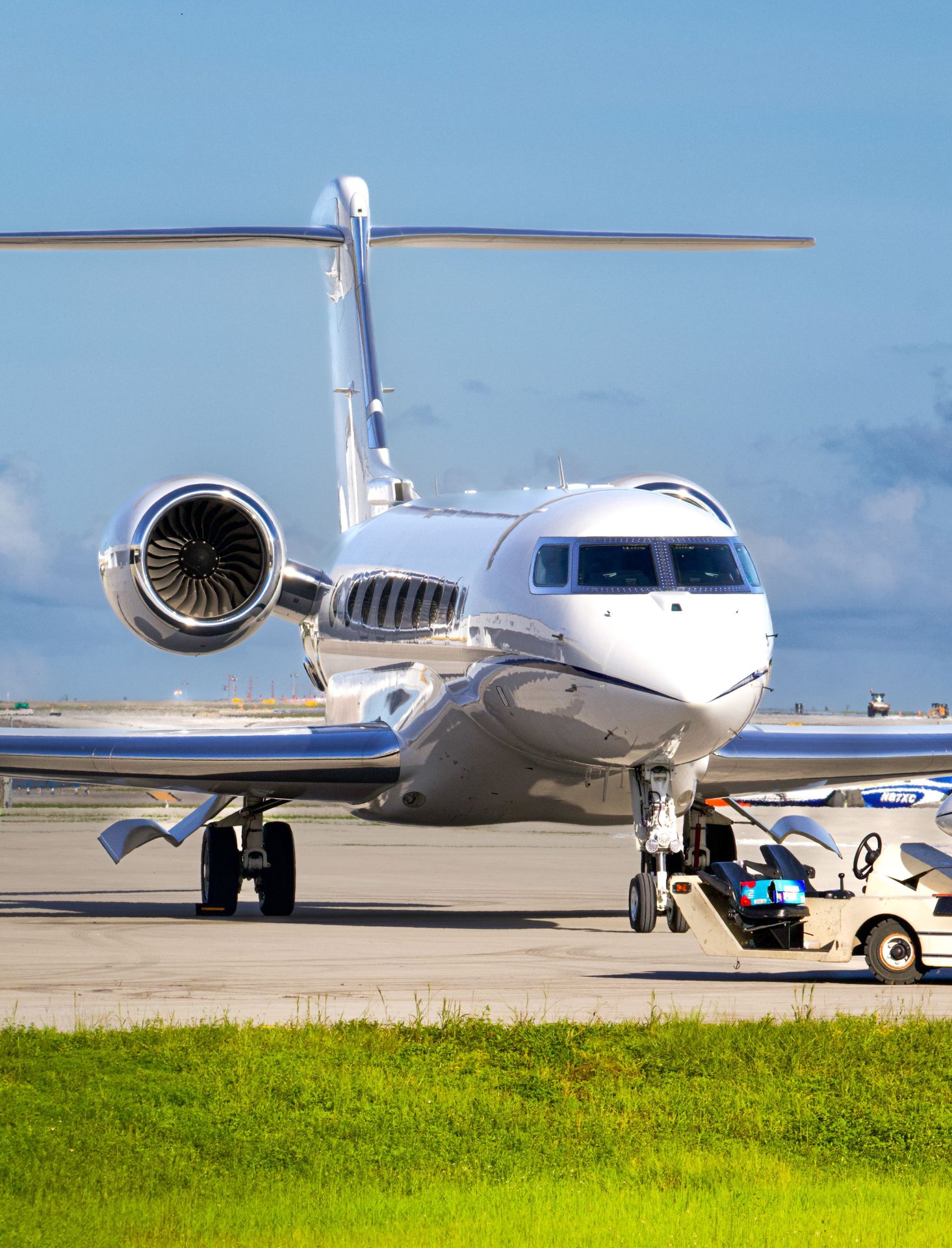
Within the broader private aviation market, aircraft like the Bombardier Global 5000 are well known examples of this category, offering the kind of range and cabin comfort that long-distance travelers look for. On the larger end of the spectrum, converted airliner-style jets such as the Boeing 737 BBJ, Boeing 757, Boeing 747, and the Airbus ACJ319 and ACJ320 families are sometimes configured for VIP or long-range charter use, providing even more cabin space for larger groups or extended trips.
Why Range Matters for Coast-to-Coast Travel
A transcontinental flight across the United States covers roughly 2,500 miles depending on the exact route. While many midsize and super-midsize jets can technically make this trip, aircraft with greater range often do so more comfortably — flying at higher, smoother altitudes and avoiding the need for a fuel stop that can add time and complexity to a journey. For business travelers or families trying to minimize total travel time, this efficiency can make a meaningful difference.
Beyond the U.S., ultra-long-range capability opens up international travel as well. Routes connecting North America to Europe, for example, or other intercontinental city pairs, generally require aircraft with the fuel capacity and cabin pressurization systems built for many consecutive hours in the air.
Cabin Comfort on Long Flights
Range is only part of the equation. On a flight that may last five, eight, or more hours, cabin comfort becomes just as important as speed or distance. Larger cabin aircraft typically offer:
- More room to move around, stretch out, or work comfortably
- Separate seating or lounge areas for privacy during long trips
- Enclosed lavatories and galley space for extended service needs
- Reduced cabin noise and altitude pressurization suited for multi-hour flights
These features are part of why larger, long-range aircraft are often preferred for red-eye flights, international travel, or trips involving multiple passengers who need to work, rest, or hold meetings in the air.
Matching the Aircraft to the Mission
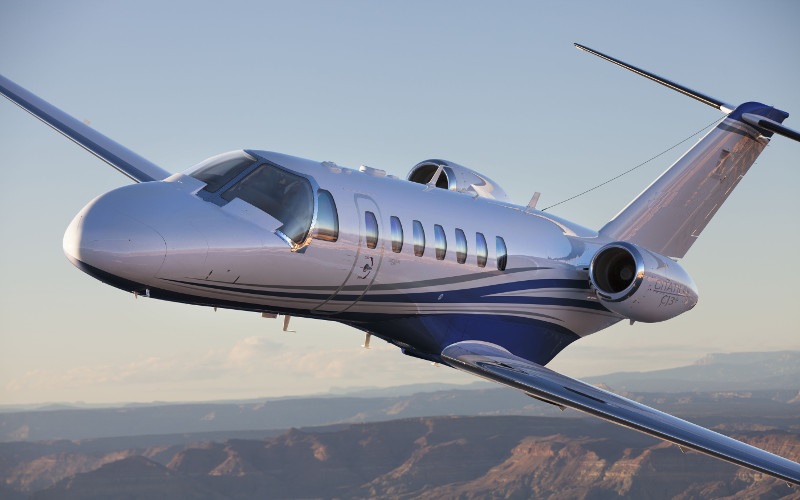
Not every long trip requires the largest aircraft available. Depending on passenger count, luggage needs, and budget considerations, a super-midsize jet such as a Bombardier Challenger 300, Challenger 350, or Challenger 600 series aircraft may be entirely capable of handling a coast-to-coast itinerary, especially for smaller groups. For larger parties or longer international legs, something in the ultra-long-range or VIP airliner category may make more sense.
This is where working with a broker who has access to a broad network of operators becomes valuable. Rather than being limited to a single fleet, travelers can compare options across multiple aircraft types and operators to find the right balance of range, cabin size, and overall trip cost.
How Sky500 Fits Into the Picture
Sky500.com is an online travel service that connects travelers with a network of certified Part 135 charter operators, including access to discounted empty leg flights when available. It's important to understand that Studio Jet, Inc., doing business as Sky500.com, does not own, operate, or maintain any aircraft, and is not itself an air carrier or Part 135 operator. Instead, Sky500 works as a resource to help travelers identify and connect with operators who can fulfill their specific trip requirements — whether that's a short regional flight or a long-haul charter requiring a larger, longer-range aircraft.
There is no membership fee to use Sky500, which makes it a low-barrier way to explore what's available for an upcoming trip, whether you're flying coast to coast or planning something further afield.
Planning Your Long-Range Trip
Before booking any long-distance private charter, it helps to think through a few key questions:
- How many passengers will be traveling, and what luggage or equipment needs to come along?
- Is the trip a nonstop requirement, or is a fuel stop acceptable?
- Will passengers need to work, rest, or hold meetings during the flight?
- Is there flexibility in travel dates that might allow for cost-saving options like empty leg flights?
Answering these questions in advance can help streamline the process of identifying the right aircraft category and operator for your trip.
Final Thoughts
Ultra-long-range jets have made it possible to connect distant corners of the country — and the world — without the layovers and transfers common to commercial travel. Whether your trip calls for a nimble super-midsize jet or a larger, long-range aircraft built for intercontinental distances, understanding the categories available can help you plan a more informed, comfortable journey.
To explore options for an upcoming coast-to-coast or international trip, you can reach Sky500 at 818-769-3535 to learn more about connecting with Part 135 certified operators suited to your itinerary.