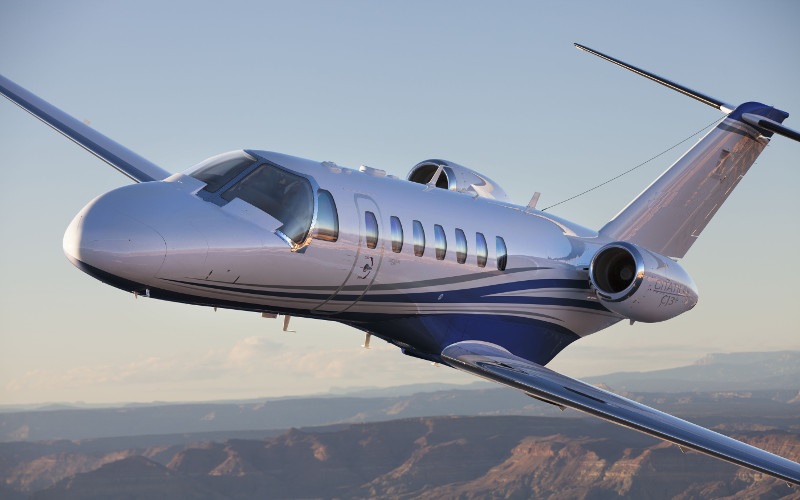
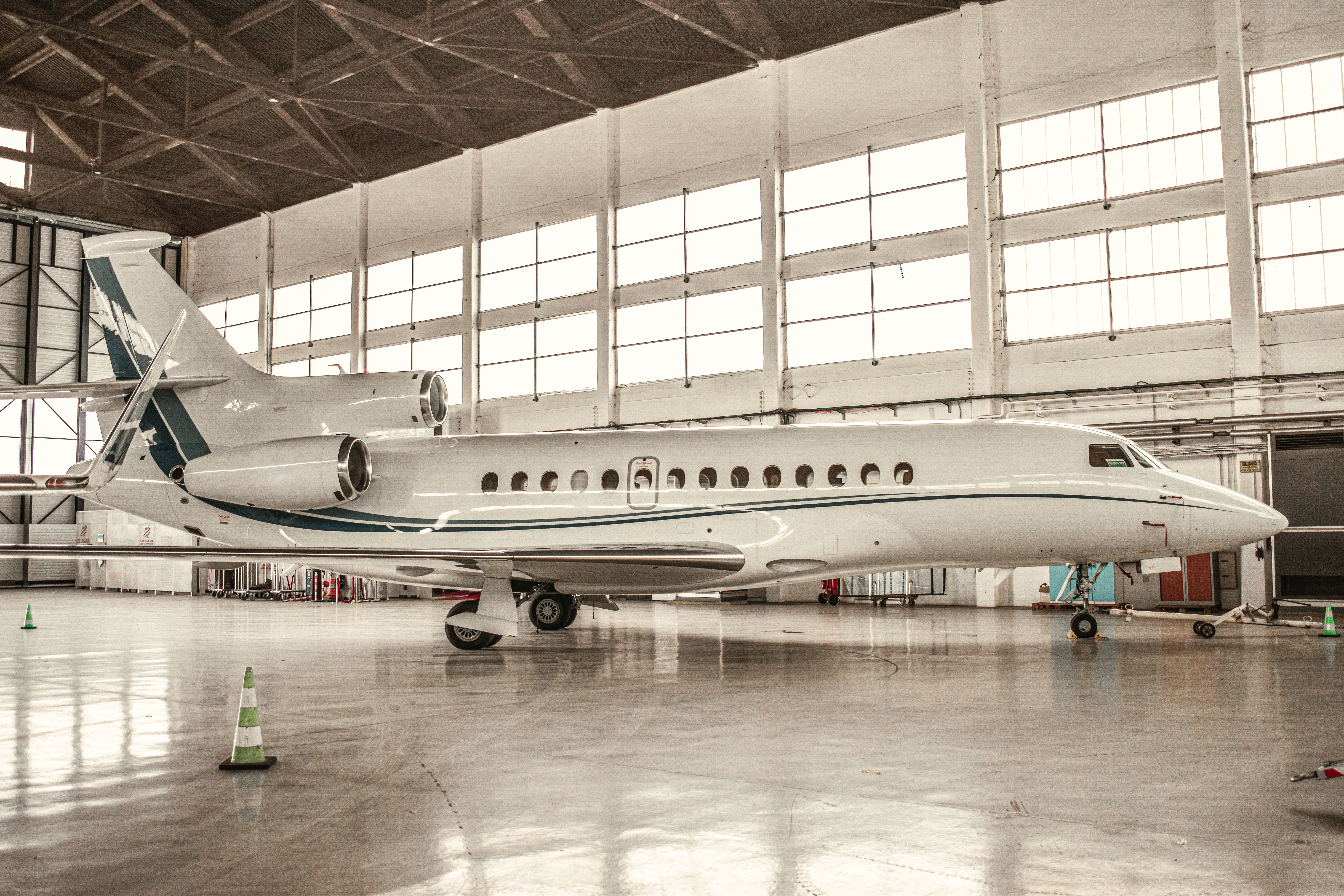
When people picture private aviation, they often imagine sleek jets cruising at high altitudes on long transcontinental routes. But for many trips — especially shorter regional hops — a turboprop aircraft can be a smart, efficient alternative. Turboprops have long been a staple of private and charter aviation, and understanding what makes them unique can help travelers make more informed decisions about how they fly.
What Is a Turboprop?
A turboprop aircraft uses a turbine engine to drive a propeller, combining elements of traditional piston-engine planes with the power and reliability of jet technology. This hybrid design gives turboprops a distinct set of advantages, particularly for shorter distances where the extra speed of a jet may not be necessary.
Because turboprops are generally designed for efficiency at lower altitudes and shorter stage lengths, they are often well suited to regional travel, trips to smaller airports, or routes where runway length may be limited. Many smaller airports simply aren't equipped to handle larger jet aircraft, and turboprops can often access these runways with ease.
Why Turboprops Make Sense for Shorter Trips
There are several reasons travelers and operators continue to favor turboprops for certain routes:
- Runway flexibility: Turboprops typically require shorter runways than many jets, opening up access to smaller regional and municipal airports that larger aircraft cannot use.
- Operational efficiency: For shorter distances, turboprops can be an efficient option, since jets are generally optimized for higher altitudes and longer cruise segments.
- Versatility: Turboprops are often used for a range of missions, from business travel to regional connections, making them a flexible choice for operators and travelers alike.
- Comfort for shorter flights: While cabin size and amenities vary by aircraft, turboprops can offer a comfortable experience for flights where the shorter duration means passengers spend less time at altitude.
Turboprops Within a Broader Fleet
Many charter operators maintain a mixed fleet that includes both turboprops and jets, allowing them to match the right aircraft to the right mission. For example, a trip between two smaller cities a short distance apart might be well served by a turboprop, while a longer journey or one requiring a larger cabin might call for a light or midsize jet.
Through its network of Part 135 certified operators, Sky500 helps travelers explore options across a range of aircraft types. While turboprops themselves vary by operator and availability, the broader network includes aircraft such as the Beechcraft King Air series — a popular family of turboprops frequently used for business and regional travel. Depending on the mission, travelers might also consider light jets like the Beechcraft Premier 1 or Beechcraft Beechjet 400, or larger options such as the Bombardier Challenger series, when a trip calls for more range or cabin space.
Choosing the Right Aircraft for Your Trip
Selecting between a turboprop and a jet often comes down to a few key factors:
- Distance: Shorter regional trips may be well suited to a turboprop, while longer journeys typically favor a jet.
- Airport access: If your destination has a shorter runway or is a smaller regional airport, a turboprop may provide more flexibility.
- Group size and cabin needs: Larger groups or those needing more cabin space may want to consider a midsize or larger jet.
- Overall trip goals: Business travelers prioritizing efficiency on a short hop may find a turboprop meets their needs perfectly, while those on a multi-leg itinerary might prefer the added range of a jet.
There's no single "best" aircraft type for every trip — the right choice depends on the specifics of your itinerary, and this is where working with a knowledgeable charter network can help.
How Sky500 Can Help
Sky500.com is an online travel service that connects travelers with certified Part 135 charter operators for private flights, including discounted empty leg opportunities. It's important to note that Sky500 does not own, operate, or maintain any aircraft and is not itself an air carrier or Part 135 operator — rather, it acts as a resource to help travelers find operators within its network who can meet their specific travel needs.
There is no membership fee to use Sky500, making it accessible for travelers who want to explore their options without commitment. Whether you're considering a turboprop for a short regional trip or a jet for a longer journey, Sky500's network includes a range of aircraft types to discuss, from the Beechcraft King Air and Bonanza to larger jets like the Airbus ACJ319 or Bombardier Global 5000.
Final Thoughts
Turboprops remain a practical, efficient choice for many shorter private trips, offering runway flexibility and operational efficiency that jets sometimes can't match on regional routes. As with any private travel decision, the best approach is to think carefully about your route, airport access, and group needs — and to work with a resource that can help connect you with the right operator for the job.
To learn more about the aircraft types available through Sky500's network of Part 135 certified operators, or to start planning your next trip, you can reach Sky500 at 818-769-3535.