One of the biggest advantages of private aviation is access — the ability to fly into smaller, more convenient airports that commercial airlines simply can't reach. But not every aircraft can land at every airport. The size of the aircraft plays a direct role in determining which runways and facilities it can use. Understanding this relationship can help travelers better appreciate how private jet routing works and why certain aircraft are chosen for certain trips.
Why Runway Length Matters
Every aircraft has a minimum runway length it needs to safely take off and land. This requirement is influenced by several factors, including the aircraft's weight, engine performance, wing design, and the altitude and temperature conditions at a given airport. Larger, heavier aircraft generally require longer runways to reach the speeds necessary for takeoff and to come to a safe stop after landing.
Smaller aircraft, on the other hand, are often designed to operate efficiently on shorter runways. This is one of the key reasons light jets and turboprops are popular choices for trips into regional or executive airports that don't have the long runways found at major commercial hubs.
Comparing Aircraft Categories
Private aircraft come in a wide range of sizes, and each category tends to have different runway and airport access capabilities.
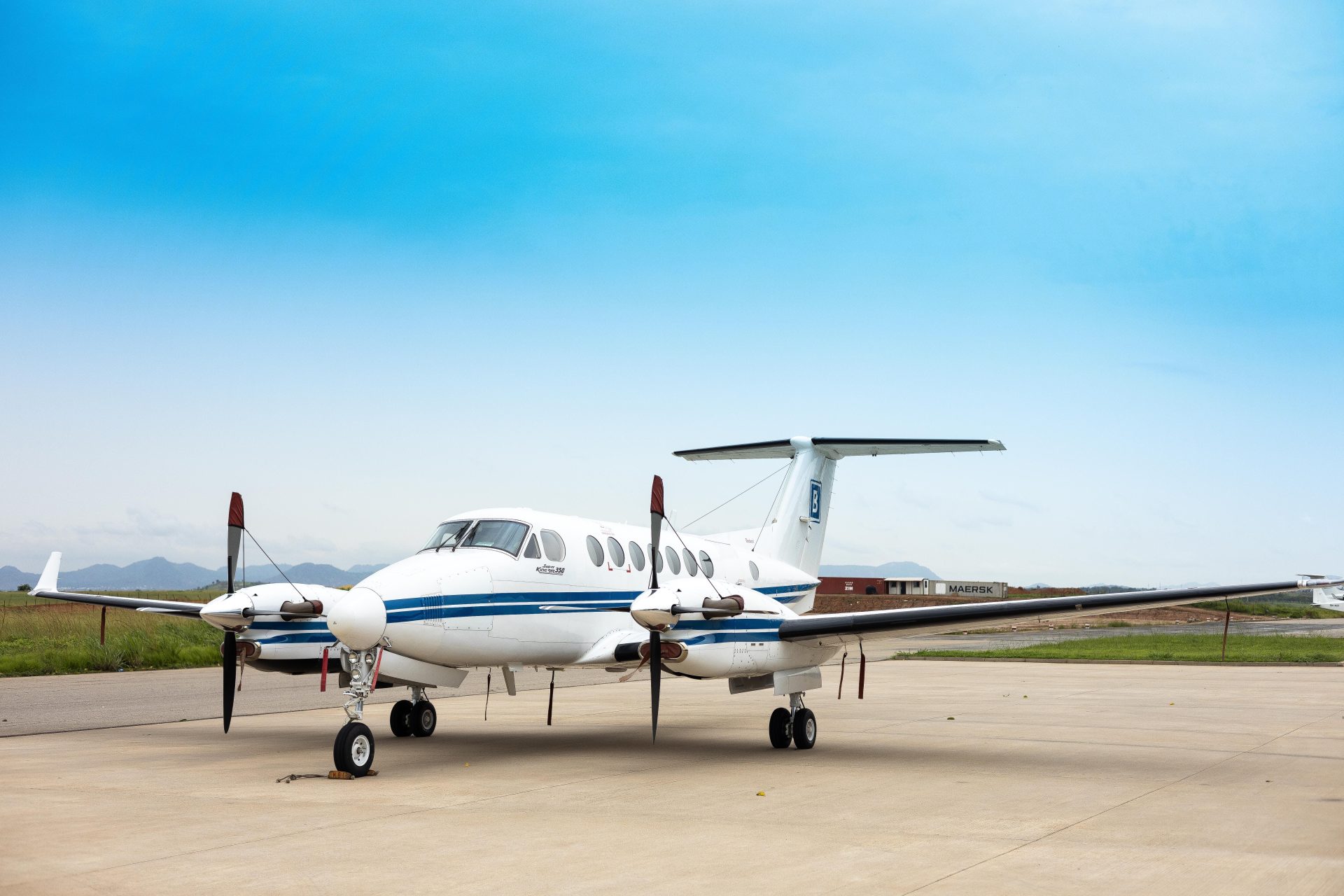
- Turboprops and light piston aircraft, such as the Beechcraft King Air 90 or Beechcraft Bonanza, are often able to use shorter runways and smaller regional airports, making them useful for reaching destinations that larger jets cannot.
- Light to midsize jets, including models like the Beechcraft Premier 1 or Bombardier Challenger 300, typically require somewhat longer runways but still offer access to a broad range of airports, including many that are closer to a traveler's final destination than larger commercial airports.
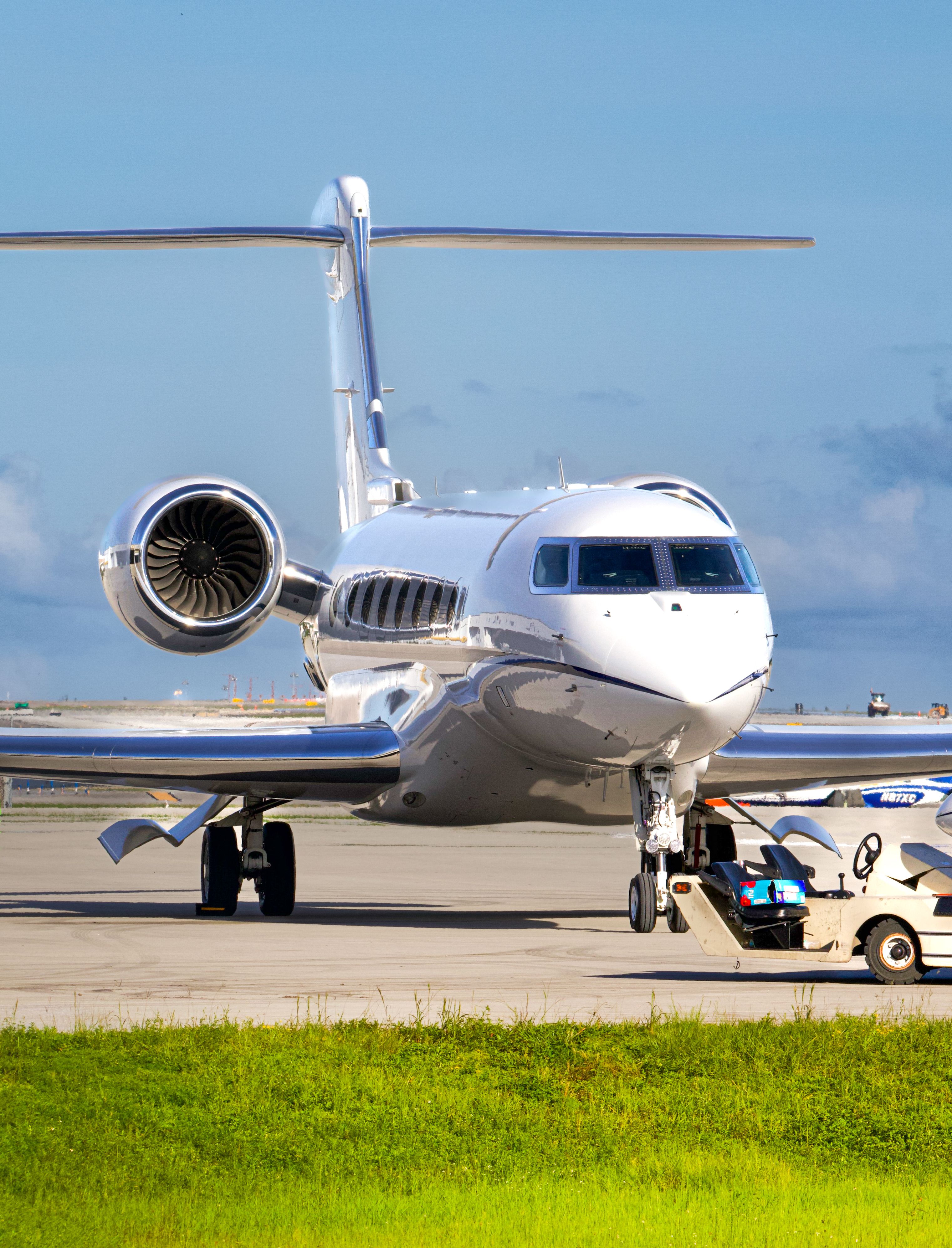
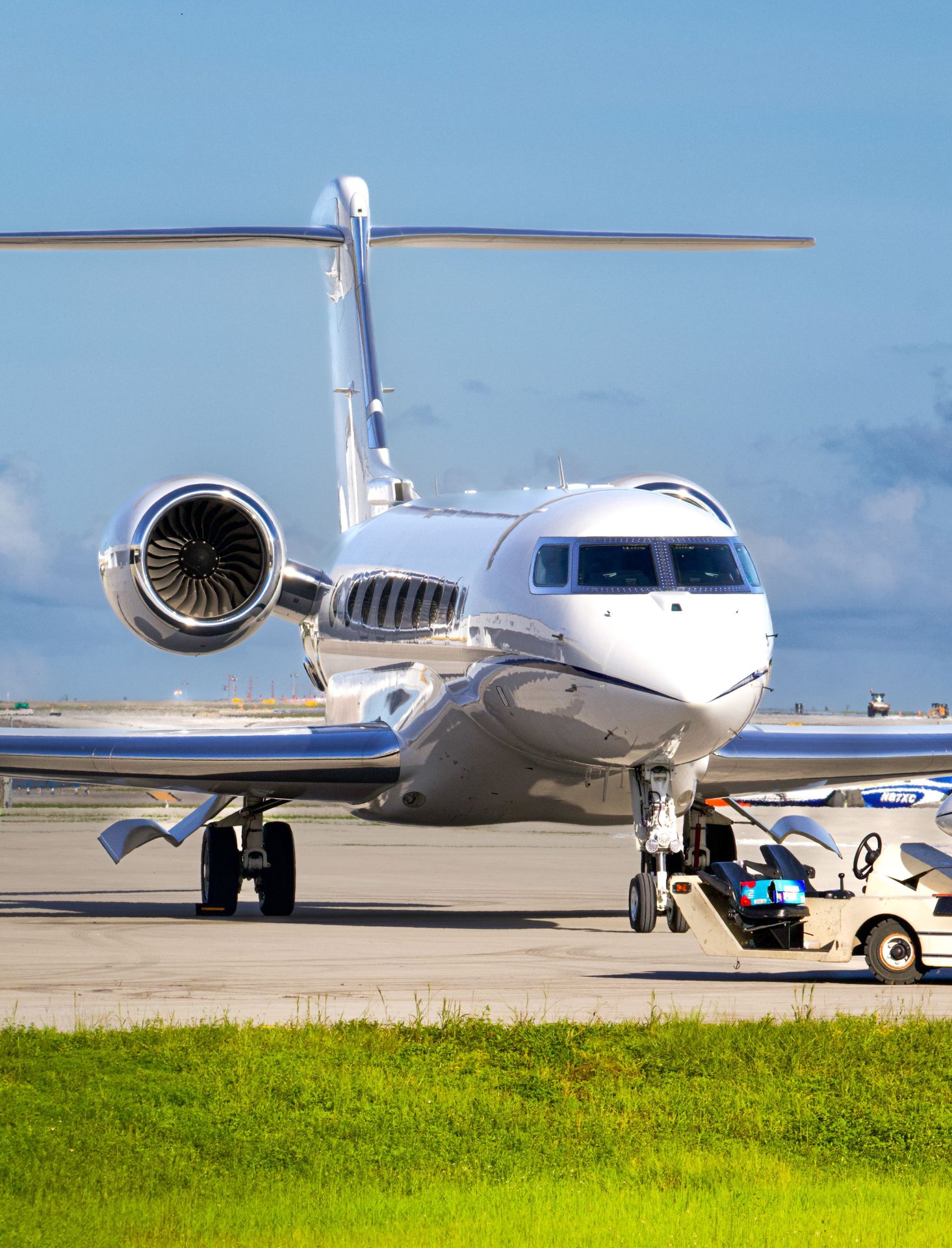
- Large-cabin and heavy jets, such as the Bombardier Global 5000, generally need longer runways due to their size, weight, and performance characteristics.
- Airliner-type aircraft, including the Boeing 737 BBJ, Boeing 747, Boeing 757, Airbus A320, or Airbus ACJ319/ACJ320, are typically limited to airports with substantial runway infrastructure, similar to those used by commercial airlines.
- Helicopters, such as the Airbus Helicopters H145 or Bell 407, operate differently altogether. Because they don't require a traditional runway, they can access helipads and other locations that fixed-wing aircraft cannot reach, offering a different kind of flexibility entirely.
Airport Infrastructure Beyond the Runway
Runway length isn't the only factor that determines whether an aircraft can use a particular airport. Other considerations include:
- Runway width and surface strength, which must be able to support the weight and landing gear configuration of the aircraft.
- Airport elevation and surrounding terrain, which can affect aircraft performance, especially at higher-altitude airports.
- Available ground facilities, such as fuel services, hangar space, and customs clearance for international travel.
- Air traffic control capabilities, particularly at smaller airports that may have limited hours or services.
All of these factors are weighed together when determining whether a specific aircraft is a good fit for a specific airport.
Why This Matters for Travelers
For travelers exploring private aviation, understanding the relationship between aircraft size and airport access helps explain why certain aircraft are recommended for certain trips. A smaller aircraft might be the better choice for reaching a regional airport close to a final destination, while a larger aircraft may be necessary for longer routes or larger groups, even if it means landing at a bigger airport farther from the final stop.
This is part of why working with a knowledgeable service can be valuable. Sky500.com is an online travel service that connects travelers with certified Part 135 charter operators, helping match travelers with aircraft that are well suited to their route, group size, and airport preferences. Sky500 does not own, operate, or maintain aircraft and is not itself an air carrier or Part 135 operator — rather, it works with a network of Part 135 certified operators to help travelers find appropriate charter options, including discounted empty leg flights when available.
A Wide Range of Aircraft, A Wide Range of Access
The aircraft available through Sky500's network span a broad spectrum of sizes and capabilities, from piston aircraft like the Beechcraft Baron to midsize jets like the Bombardier Challenger 604, up to larger aircraft like the Boeing 747. Helicopters such as the Airbus Helicopters AS350 A-Star are also part of the network, offering yet another layer of flexibility for travelers whose destinations may not have a traditional runway at all.
Because aircraft size directly affects where a flight can land, thinking about airport access early in the planning process can make a real difference in trip convenience. Whether the goal is reaching a small regional strip or flying into a major international airport, matching the right aircraft to the right runway is a fundamental part of how private aviation works.
Learn More
There is no membership fee to use Sky500, and travelers can speak with the team to learn more about available aircraft and how they align with specific airport needs. Sky500 can be reached at 818-769-3535 to discuss options and get more information.