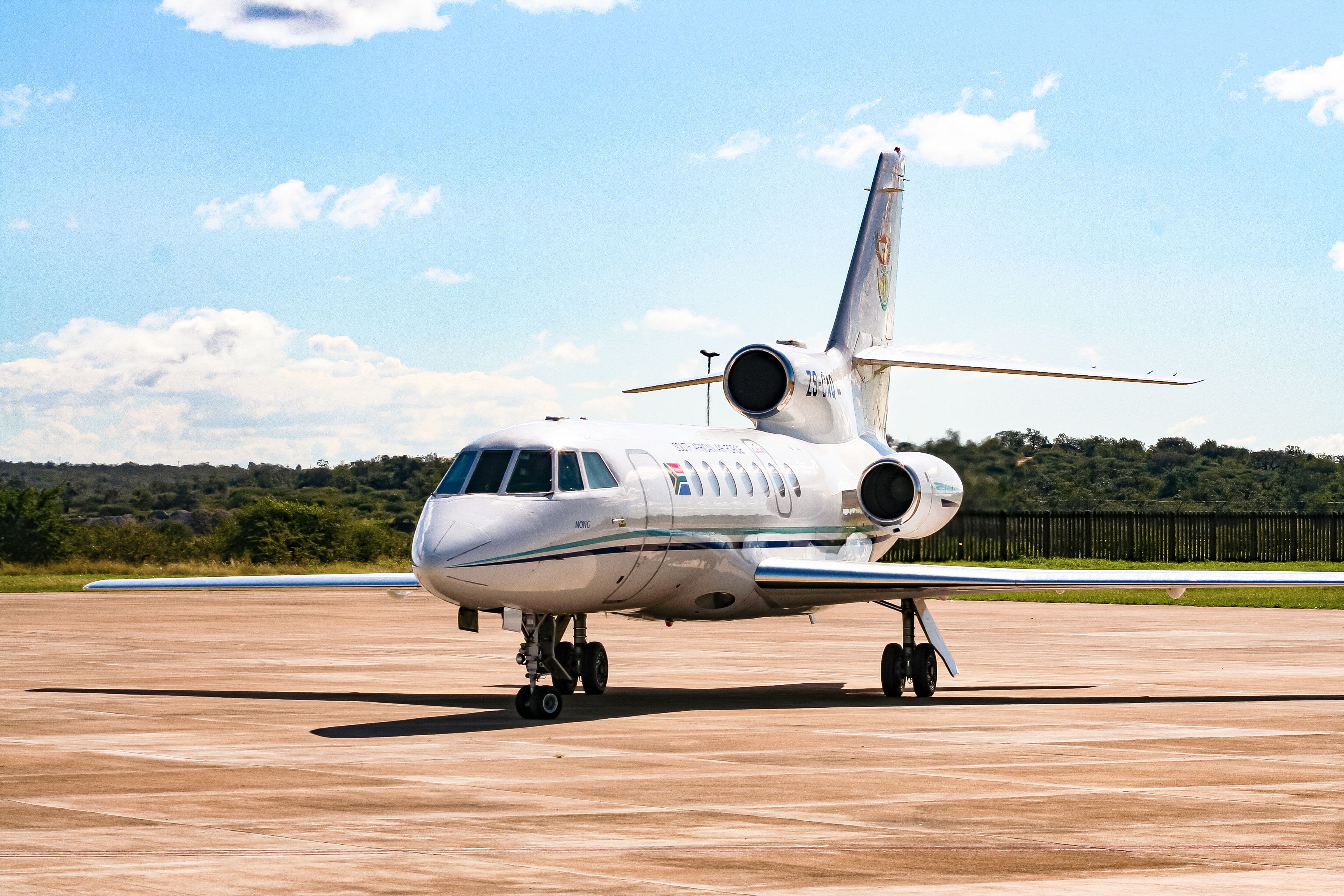
One of the most common questions travelers ask when considering a private flight is simple: how much does comfort really change as you move up in aircraft size? The answer is more nuanced than just "more room." Cabin comfort is shaped by a combination of factors, including cabin dimensions, cabin altitude, noise levels, and the amenities an aircraft can carry. Understanding these differences can help travelers set realistic expectations when choosing an aircraft for a trip.
Starting Small: Turboprops and Light Jets
At the entry level of private aviation, aircraft like the Beechcraft King Air series or Beechcraft Bonanza prioritize efficiency and short-runway capability over cabin volume. These aircraft are excellent for shorter regional trips, but cabins are naturally more compact, with less headroom and less room to move around during flight. Light jets, such as the Beechcraft Premier 1 or Beechcraft Beechjet 400, step up cabin size somewhat and typically cruise at higher altitudes, which can mean a smoother ride above weather systems.
In this category, comfort is often about trip efficiency rather than space. These aircraft are well suited to shorter flights where passengers are seated for a limited amount of time, and the tighter cabin is less of a factor.
Mid-Size and Super-Mid-Size: A Noticeable Step Up
As you move into mid-size and super-mid-size jets, such as the Bombardier Challenger 300 or Bombardier Challenger 350, cabin comfort improves in several tangible ways. Cabins are taller, allowing many passengers to stand upright, and wider, which creates more usable space for seating configurations, worktables, or lie-flat seating options on longer legs.
These aircraft also tend to have improved cabin pressurization systems. Cabin altitude, which refers to the equivalent altitude the cabin is pressurized to during flight, is an important but often overlooked comfort factor. Lower cabin altitudes generally mean passengers experience less fatigue, especially on longer flights, since the body isn't working as hard to compensate for reduced oxygen levels.
Large-Cabin Jets: Space to Spread Out
Large-cabin aircraft, including the Bombardier Challenger 600, Challenger 601, Challenger 604, Challenger 605, Challenger 650, and Global 5000, represent a significant shift in the comfort equation. These aircraft typically offer:
- Taller and wider cabins that allow for separate seating zones or lounge-style configurations
- Enhanced soundproofing, which reduces engine and airflow noise throughout the cabin
- Lower cabin altitudes at cruising height, contributing to reduced fatigue on longer journeys
- Additional baggage and storage capacity, which can matter for longer trips requiring more luggage
For travelers covering longer distances, these differences can be meaningful. A quieter, more spacious cabin with a lower cabin altitude tends to make a multi-hour flight feel less tiring upon arrival.
Airliner-Based and VIP Aircraft: Maximum Volume
At the top end of the size spectrum are aircraft derived from commercial airliners, such as the Airbus ACJ319, Airbus ACJ320, Boeing 737 BBJ, Boeing 757, and Boeing 747. These aircraft are sometimes configured for private or VIP use and offer cabin volumes far beyond typical business jets.
With this much space, cabin layouts can include distinct zones for different purposes, such as separate areas for seating, meetings, or rest, depending on how the aircraft has been configured by the operator. The scale of these aircraft also allows for more flexible passenger and baggage configurations, which can be useful for larger groups or longer international itineraries.
It's worth noting that an aircraft like the Airbus A320 may be configured in various ways depending on the operator, so cabin layout and amenities can vary even within the same aircraft type.
Rotorcraft: Comfort in a Different Context
Helicopters, including options like the Airbus Helicopters H145, AS350 A-Star, AS355 Twin Star, or Bell 407 and Bell 429, serve a different travel purpose entirely. These aircraft are generally used for shorter trips, such as airport transfers or short regional hops, rather than long-distance travel. Cabin comfort here is less about cruising altitude and more about smooth, efficient transport between two points, often to locations unreachable by fixed-wing aircraft.
What This Means for Choosing an Aircraft
When selecting an aircraft for a trip, cabin comfort is just one of several factors to weigh alongside range, runway requirements, and group size. A shorter regional trip may not require the cabin volume of a large-cabin jet, while a longer cross-country or international journey may benefit significantly from the reduced cabin altitude and additional space that larger aircraft provide.
This is where working with a knowledgeable charter resource can help. Sky500.com is an online travel service that connects travelers with certified Part 135 charter operators, offering access to a network of aircraft ranging from light jets and turboprops to large-cabin and airliner-based options, as well as discounted empty leg flights when available. Sky500 does not own, operate, or maintain aircraft itself, and is not a direct or indirect air carrier or Part 135 operator; rather, it helps match travelers with operators who can meet their specific trip requirements.
There is no membership fee to use Sky500, making it straightforward to explore options for an upcoming trip. To learn more about aircraft options and how cabin size might align with your travel needs, you can reach Sky500 at 818-769-3535.
Ultimately, understanding how comfort changes across aircraft categories can help travelers make more informed decisions, ensuring the aircraft chosen fits both the practical demands of the route and the comfort expectations of everyone on board.