If you're new to the world of private aviation, one of the first things you'll notice is that not all private aircraft are created equal. Aircraft are generally grouped into categories based on size, range, speed, and cabin comfort — from compact turboprops built for short regional hops to large heavy jets designed for long international journeys. Understanding these categories can make it easier to think about what kind of aircraft might make sense for a particular trip.
This guide walks through the major private jet categories, from turboprops to heavy jets, and explains what generally sets each one apart.
Turboprops
Turboprops are propeller-driven aircraft powered by turbine engines, and they're often the most cost-efficient option for shorter trips. They tend to be well-suited for flights to smaller airports with shorter runways, which larger jets may not be able to use. Turboprops typically carry fewer passengers than jets and fly at lower altitudes and speeds, but they remain a popular choice for regional travel.
Examples of aircraft in this category include models like the Beechcraft King Air family — such as the King Air 90, King Air 100, King Air 200, King Air 300, and King Air 350 — which are known for their versatility and ability to access smaller airfields.
Light Jets
Light jets step up from turboprops in terms of speed and comfort while still maintaining efficiency for shorter to medium-length trips. They generally accommodate a modest number of passengers and are often chosen for regional business travel or trips where a smaller cabin is not a concern.
Aircraft that typically fall into or near this category include the Beechcraft Beechjet 400 and Beechcraft Premier 1, both known for combining a compact footprint with jet speed.
Midsize Jets
Midsize jets offer a balance between range, cabin space, and speed, making them a common choice for longer domestic trips. These aircraft typically offer more headroom and a wider cabin than light jets, along with the ability to fly greater distances without refueling.
The Bombardier Challenger 300 and Bombardier Challenger 350 are examples of aircraft often associated with this category, known for their comfortable cabins and solid performance on longer routes.
Super-Midsize and Large Cabin Jets
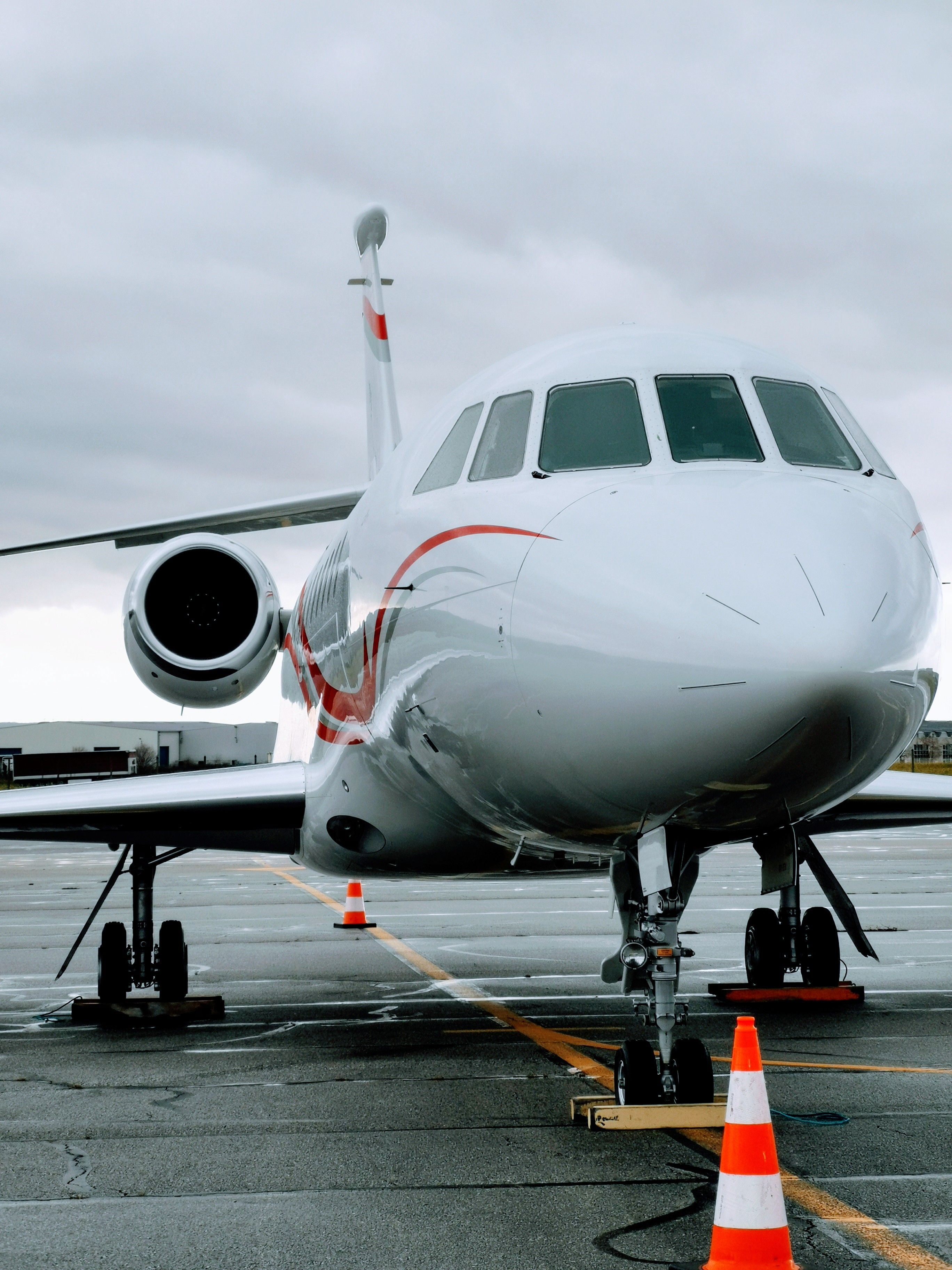
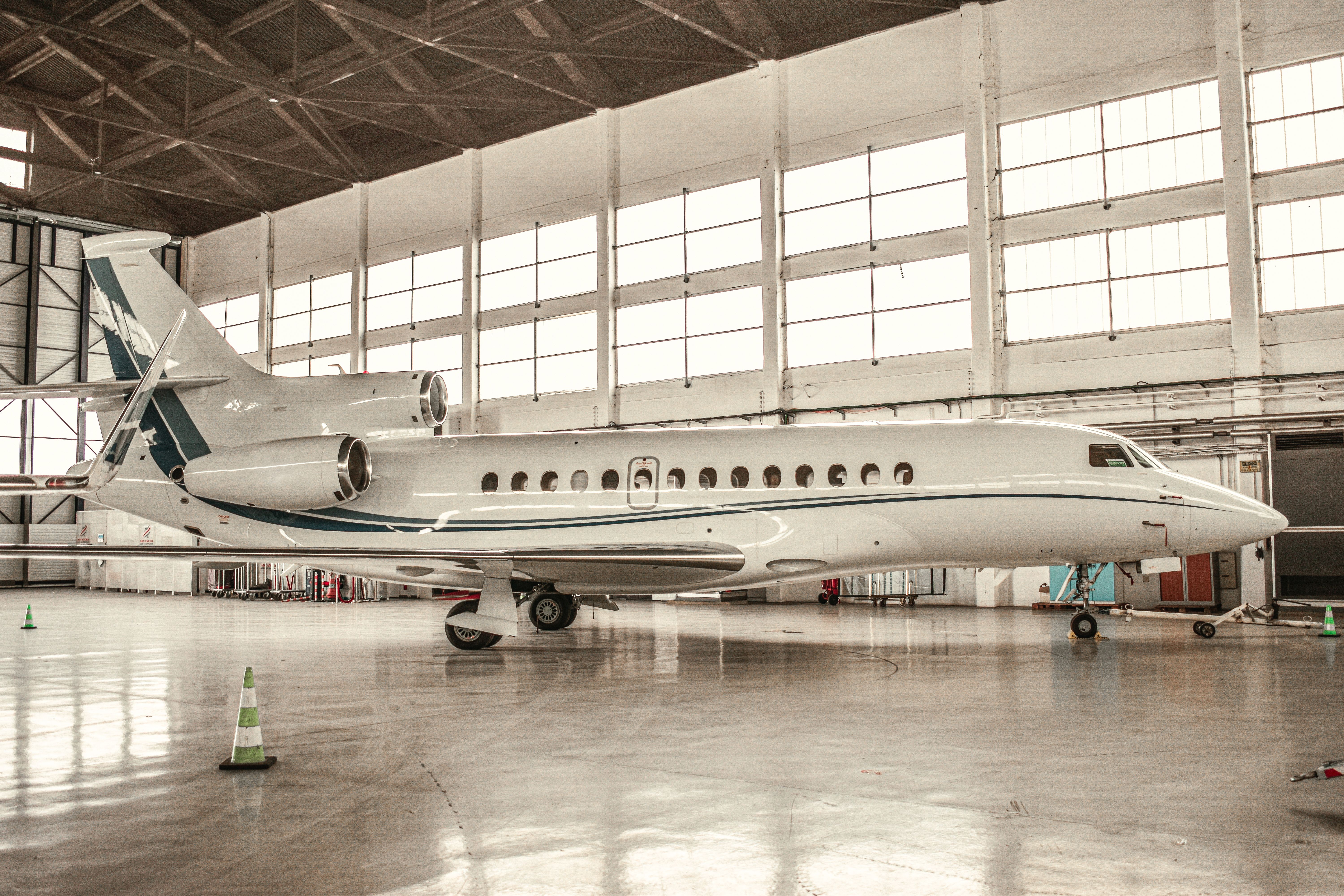
Moving up in size and range, super-midsize and large-cabin jets are built for longer trips, including many transcontinental or international routes, while still offering generous cabin space for working or relaxing in flight. This category often includes aircraft with the range and cabin volume to comfortably handle extended nonstop flights.
Aircraft such as the Bombardier Challenger 600, Challenger 601, Challenger 604, Challenger 605, and Challenger 650 are examples that fall within this broader large-cabin category, offering a mix of range and comfort for travelers covering greater distances.
Heavy Jets
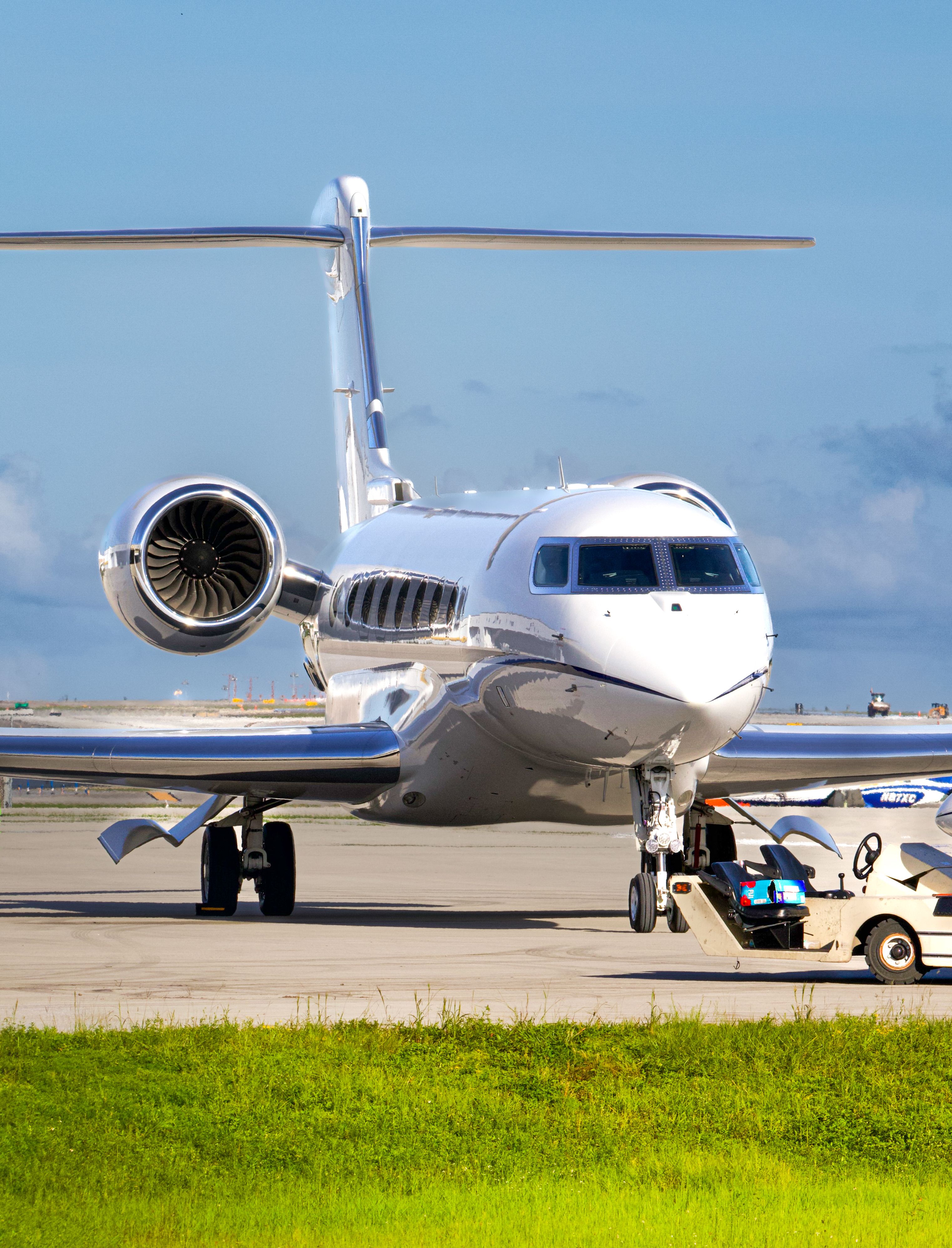
At the top end of the private jet spectrum are heavy jets — aircraft designed for long-range international travel with spacious cabins that can accommodate more passengers and amenities. These aircraft are often used for intercontinental trips where range, cabin size, and passenger capacity are top priorities.
Examples in this category include the Bombardier Global 5000 and Bombardier Global 6000, both recognized for their long-range capability and spacious interiors suited to extended flights.
Airliner-Sized and VIP Aircraft
For the largest group trips or the most spacious flying experience, some travelers look toward airliner-derived private aircraft. This category includes converted or VIP-configured versions of commercial aircraft, offering substantial cabin space for large groups or long-haul comfort.
Examples include the Airbus ACJ319, Airbus ACJ320, Boeing 737 BBJ, Boeing 747, and Boeing 757, along with standard airframes like the Airbus A320 that are sometimes configured for private or group charter use.
Helicopters
It's also worth noting that private aviation isn't limited to fixed-wing aircraft. Helicopters offer flexibility for shorter trips, airport transfers, or reaching locations without a runway. Aircraft in this category include the Airbus Helicopters AS350 A-Star, AS355 Twin Star, and H145, as well as the Bell 206, Bell 407, and Bell 429.
Choosing the Right Category
The "right" aircraft category ultimately depends on factors like the number of passengers traveling, the distance of the trip, the airports involved, and personal preferences around cabin space and comfort. A short regional trip with a couple of passengers might be well suited to a turboprop or light jet, while a longer international journey with a larger group could call for a heavy jet or airliner-sized aircraft.
This is where working with a knowledgeable service can help. Sky500.com is an online travel service that connects travelers with a network of certified Part 135 charter operators, helping match trips with the type of aircraft that fits the itinerary — including discounted empty leg flights when available. It's important to note that Sky500 does not own, operate, or maintain any aircraft itself, and is not a direct or indirect air carrier or Part 135 operator; rather, it works as a connector between travelers and the operators who provide the actual flights.
There's no membership fee to use Sky500, and travelers can reach the team directly at 818-769-3535 to talk through options across the many aircraft categories described above.
Final Thoughts
From nimble turboprops to spacious heavy jets, the world of private aviation offers a wide range of aircraft types designed for different kinds of missions. Learning the basic categories — turboprop, light jet, midsize jet, super-midsize/large cabin, heavy jet, and airliner-sized aircraft — is a helpful first step in understanding what might work best for your next trip.