For travelers who have only flown commercial, the idea of chartering a private aircraft can feel mysterious. What actually happens between booking a flight and landing at your destination? While every trip is a little different depending on the aircraft, route, and operator involved, most private charter flights follow a similar general pattern. Here's a walkthrough of what you can typically expect.
Step 1: Requesting a Flight
The process usually begins with a simple request: where you want to go, when, and how many passengers will be traveling. This is where a service like Sky500.com comes in. Sky500 is an online travel service that connects travelers with a network of certified Part 135 charter operators, helping match your trip details with available aircraft — including discounted empty leg flights when the timing works out. There is no membership fee to use Sky500, so getting a quote doesn't require signing up for anything long-term.
It's worth noting that Sky500 itself does not own, operate, or maintain aircraft, and is not an air carrier. Instead, it acts as a connector, helping you find a Part 135 operator suited to your trip.
Step 2: Choosing an Aircraft
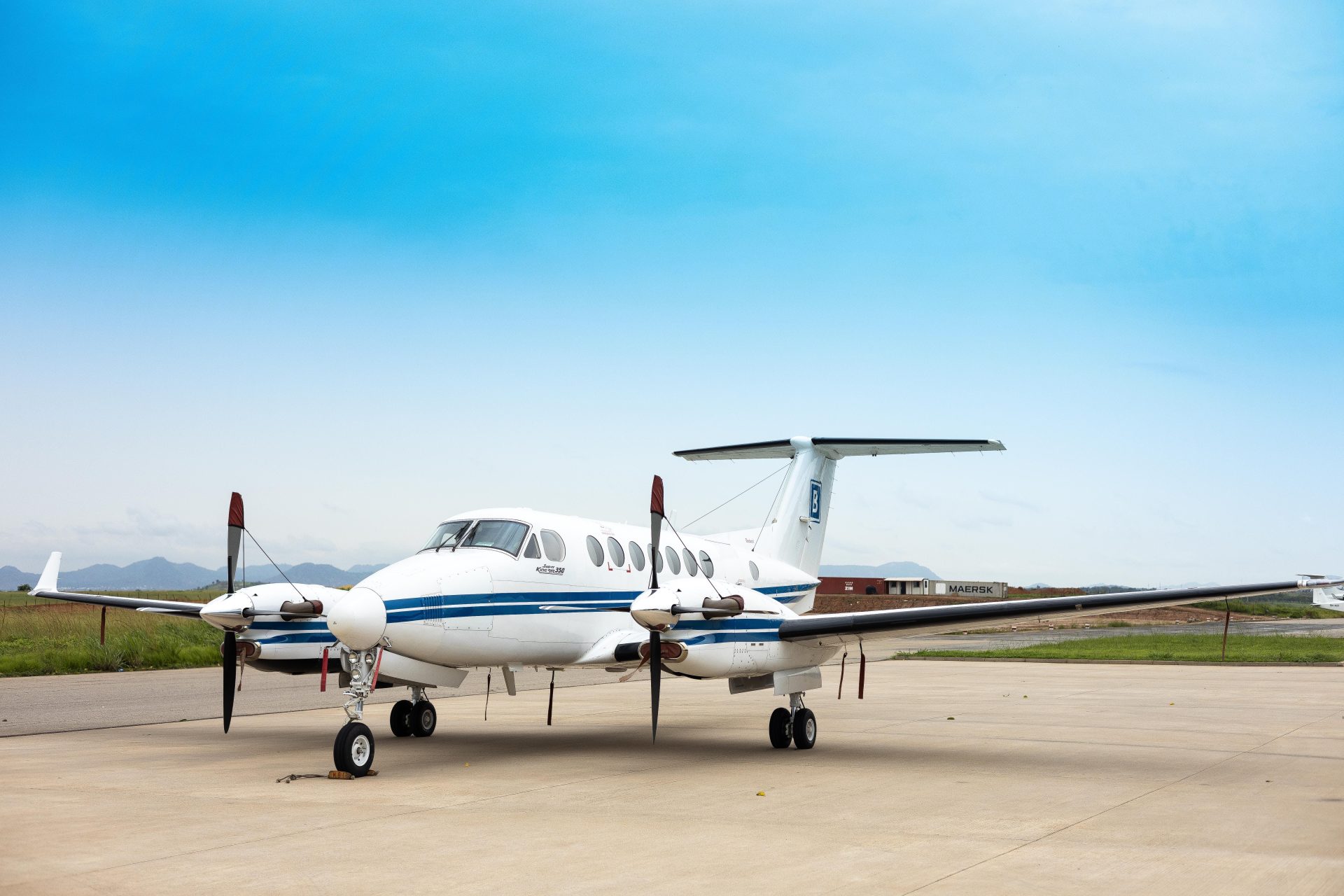
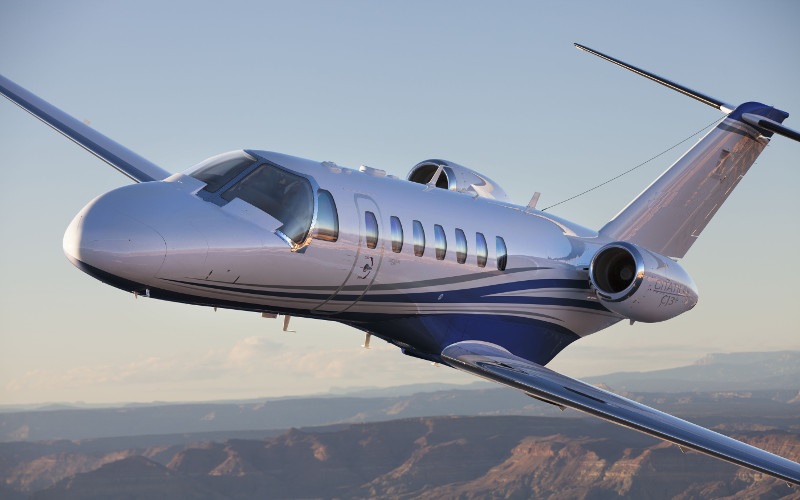
Depending on group size, luggage needs, and distance, different aircraft types may be suggested. A short regional hop might be well-suited to a turboprop like a Beechcraft King Air, while a longer trip with more passengers could call for a midsize or super-midsize jet such as a Bombardier Challenger 300 or Challenger 604. For larger groups or longer international travel, options like an Airbus ACJ319 or Boeing 737 BBJ may come into play. The right aircraft depends entirely on the specifics of the trip, and operators in the network can help match capability to your itinerary.
Step 3: Confirming the Trip
Once an aircraft and operator are identified, the trip details are confirmed — departure and arrival airports, timing, passenger names, and any special requests. Because private charter often allows access to smaller regional and municipal airports, travelers can sometimes depart from a location much closer to home than a major commercial hub.
Step 4: Arriving at the Airport
One of the most noticeable differences from commercial travel is the arrival experience. Private charter passengers typically head to a fixed-base operator (FBO) rather than a commercial terminal. This generally means a shorter check-in process, since there's no large-scale security screening line or long walk to a gate. Passengers usually arrive closer to departure time than they would for a commercial flight.
Step 5: Boarding
Boarding a chartered aircraft is typically quick and straightforward. Luggage is loaded by ground staff or crew, and passengers walk directly to the aircraft, often just steps from where they parked or were dropped off. The cabin crew, if the aircraft has one, or the pilots themselves will usually do a quick safety briefing before departure.
Step 6: The Flight Itself
Once airborne, the experience aboard a charter flight can vary quite a bit depending on the aircraft. Light aircraft like a Beechcraft Bonanza or Baron offer a more intimate, efficient experience for shorter trips, while larger cabin jets such as a Challenger 650 or Global 5000 provide more room to work, rest, or socialize during longer flights. Because the aircraft is chartered specifically for your group, there's generally more flexibility around schedule and cabin use compared to a scheduled commercial flight.
Step 7: Landing and Deplaning
Upon arrival, the aircraft typically taxis to an FBO rather than a commercial gate. Deplaning is usually fast, and ground transportation can often be arranged to be waiting nearby. There's generally no baggage claim wait, since luggage comes off the aircraft directly with the passengers.
What About Helicopters?
For shorter regional transfers — say, between an airport and a nearby destination — helicopter charter is sometimes an option as well. Aircraft like the Airbus Helicopters H145 or Bell 407 are examples of the types of rotorcraft available through certified operators in Sky500's network, useful for point-to-point trips where a runway isn't practical or necessary.
Every Trip Is Coordinated by a Certified Operator
It's important to understand that the actual flight — including the aircraft, crew, maintenance, and operational safety — is handled entirely by the Part 135 certified operator conducting the charter. Sky500's role is to help connect travelers to that network of operators and assist with finding options that fit the trip, not to operate the aircraft itself.
Getting Started
If you're considering a private charter flight and want to understand your options, reaching out to a travel service that works with multiple operators can simplify the process considerably. You can learn more or ask questions by calling Sky500 at 818-769-3535, or by requesting a quote online. Understanding what to expect ahead of time — from booking through touchdown — can make the entire experience feel much more approachable, even if it's your first time flying private.