Stepping into private aviation for the first time can feel like entering a world with its own rules, terminology, and expectations. Unlike commercial flying, where the process is largely the same from one trip to the next, private charter offers more flexibility — and with that flexibility comes a learning curve. This guide is designed to walk first-time flyers through the basics, so you know what to expect before you ever step onto the tarmac.
Understanding How Private Charter Works
When you charter a private jet, you are not buying a seat on a scheduled flight. Instead, you are arranging for an entire aircraft to fly on a schedule and route that you choose, operated by a company certified by the Federal Aviation Administration under what is known as Part 135. These operators are responsible for the aircraft, the pilots, maintenance, and all safety compliance.
This is where a service like Sky500.com comes in. Sky500 is an online travel service that connects travelers with a network of certified Part 135 charter operators, including access to discounted empty leg flights — flights an aircraft already needs to make without passengers, often repositioning to its next trip. It's important to understand that Studio Jet, Inc. DBA Sky500.com does not own, operate, or maintain aircraft, and is not itself an air carrier or Part 135 operator. Instead, Sky500 acts as a connector, helping you find and arrange a flight through operators that are properly certified to fly it.
Choosing the Right Aircraft
One of the most common questions first-time flyers have is simply: which aircraft should I choose? The answer depends on your trip — how many passengers are traveling, how far you're going, and what kind of comfort or baggage space you need.
Through the Sky500 network of Part 135 operators, aircraft types available generally fall into a few broad categories:
- Turboprops and smaller aircraft, such as the Beechcraft King Air family or Beechcraft Baron and Bonanza, which are well suited to shorter regional trips.
- Light and midsize jets, such as the Beechcraft Beechjet 400 or Beechcraft Premier 1, offering more speed and range for medium-length trips.
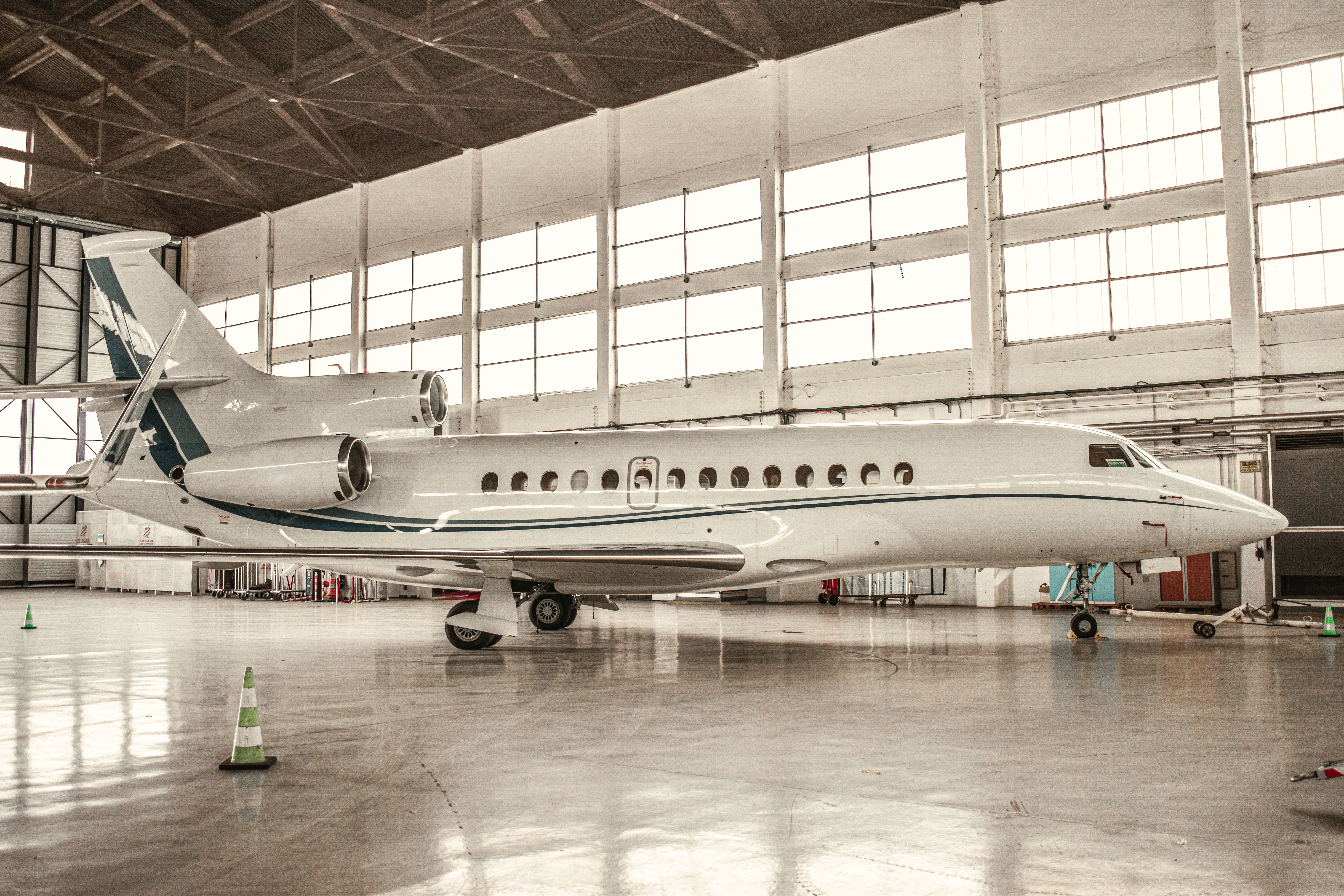
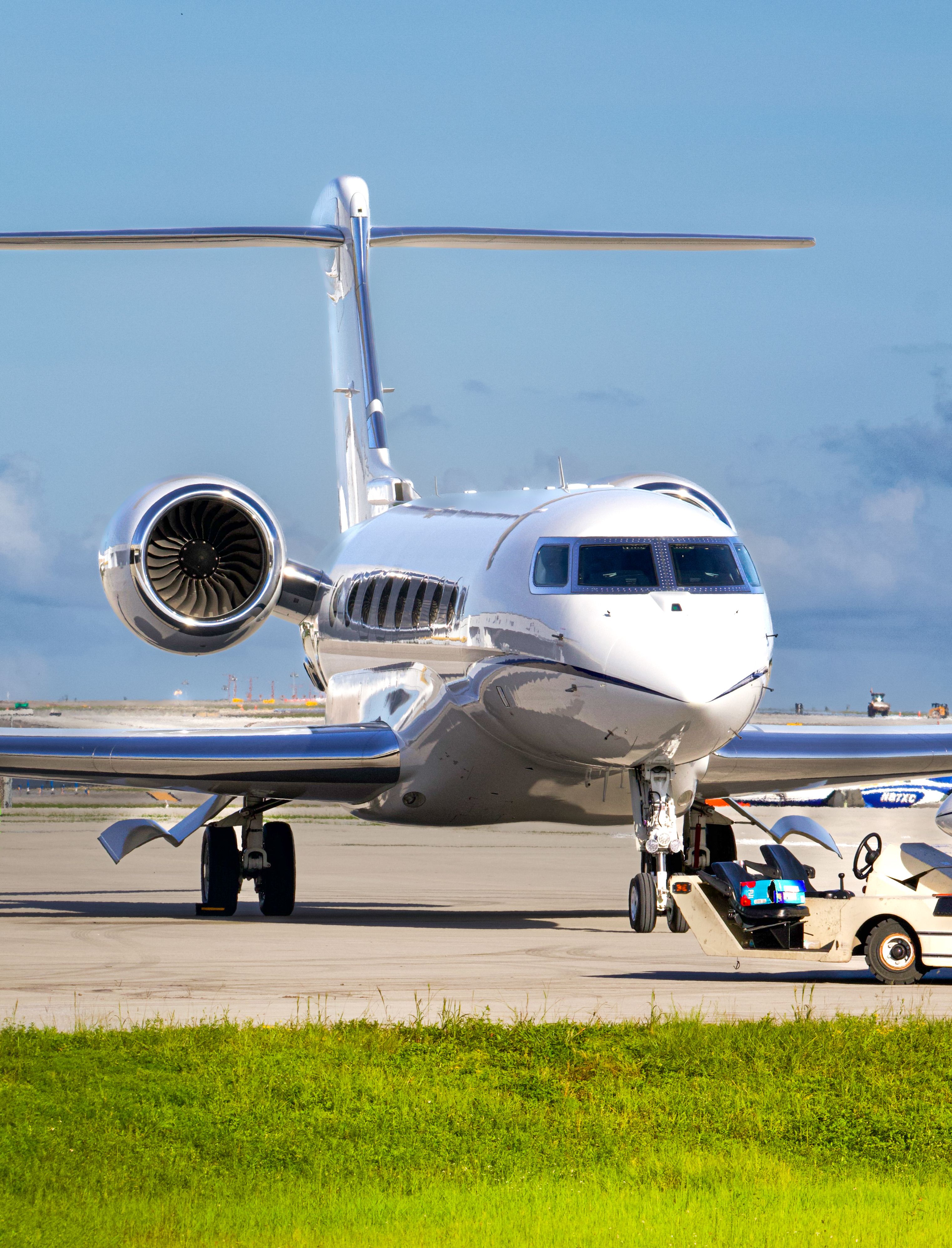
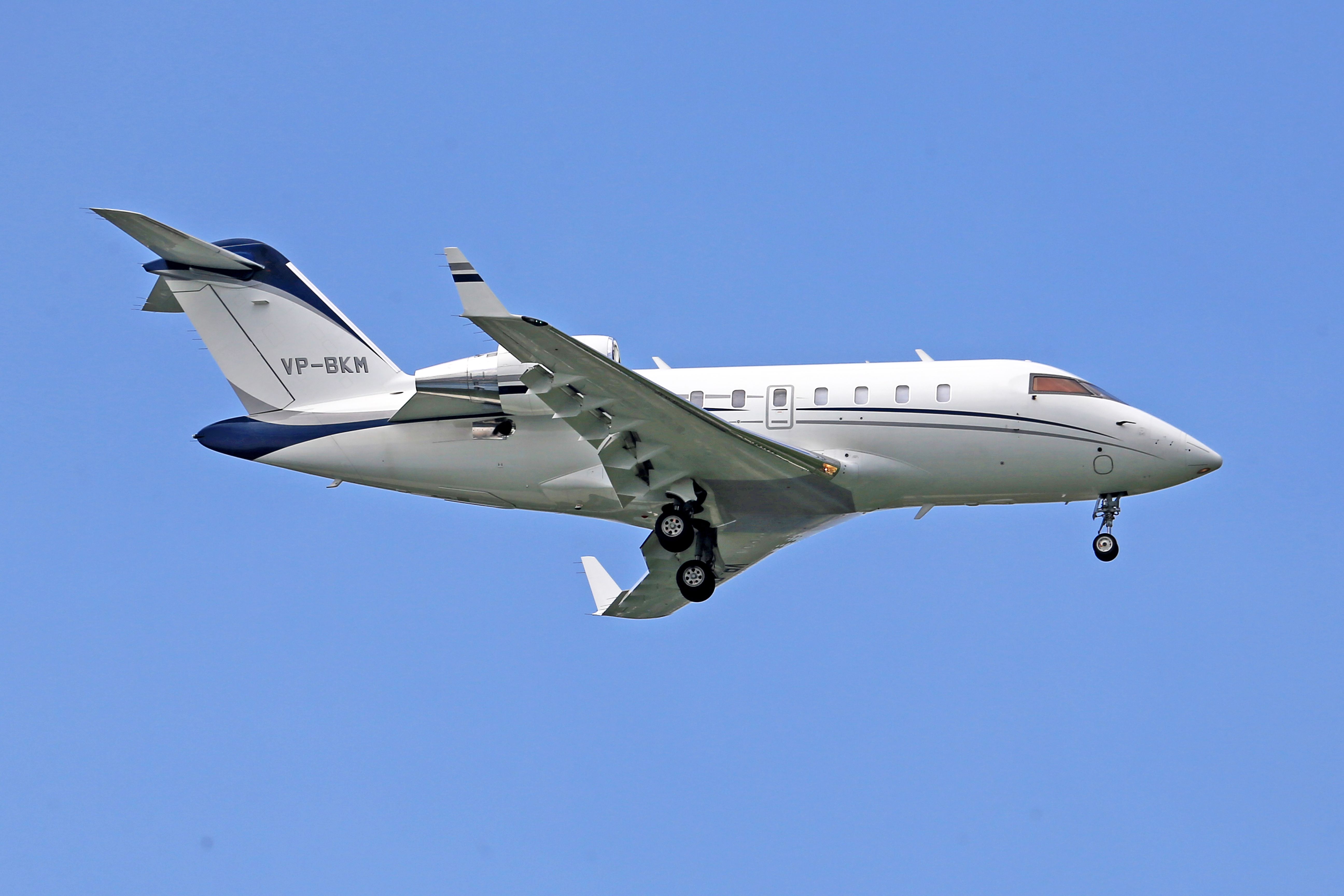
- Super-midsize and large-cabin jets, such as the Bombardier Challenger 300, Challenger 350, Challenger 600 series, or the Bombardier Global 5000, which offer more cabin space and longer range for cross-country or international travel.
- Airliner-style aircraft, such as the Airbus ACJ319, ACJ320, or Boeing BBJ, 747, and 757, which are typically used for larger groups.
- Helicopters, such as the Airbus Helicopters AS350 A-Star, AS355 Twin Star, H145, or Bell 206, 407, and 429, which are often used for short regional hops or airport transfers.
Because Sky500 works with a network of operators rather than a single fleet, the exact aircraft available for your trip will depend on what operators have available at the time you book.
What to Expect When Booking
Unlike commercial air travel, there is no membership fee required to use Sky500. The process typically starts with sharing your trip details — origin, destination, travel dates, and number of passengers — so that available options from the operator network can be identified. From there, you can compare options and select the aircraft and operator that best fits your needs and budget.
Because every operator sets its own pricing and policies, it's a good idea to ask questions early: what's included in the quote, what the cancellation policy looks like, and what documentation or identification you'll need to bring. A representative can help guide you through these details — Sky500 can be reached at 818-769-3535 for questions about the process.
Arriving for Your Flight
One of the biggest differences first-time flyers notice is how much simpler the airport experience is. Private charter flights typically depart from private terminals or fixed-base operators (FBOs) rather than commercial terminals. This generally means:
- Minimal wait times before departure
- No large security lines
- Direct access to the aircraft from the terminal or parking area
- More flexibility with luggage, pets, and personal items (though always confirm specifics with your operator)
Because policies can vary by operator and by aircraft type, it's worth confirming details like baggage allowances, pet policies, and ID requirements in advance.
Understanding Empty Leg Flights
If you're flexible on dates and routes, it's worth asking about empty leg flights. These occur when an aircraft needs to fly from one location to another without passengers — often because it just dropped off a group and needs to reposition for its next scheduled charter. Sky500's network includes access to these discounted empty leg opportunities, which can be a useful option for travelers who don't need a fixed schedule.
A Few Tips for First-Timers
- Book with some lead time when possible. While private charter offers more flexibility than commercial flying, giving yourself extra time allows for more aircraft options.
- Ask questions. Don't hesitate to ask about the operator's certification, the aircraft type, and what's included in your quote.
- Be clear about your needs. Let the booking team know about passenger count, luggage, pets, or any special requests up front.
- Keep an open mind on aircraft type. If you're new to private aviation, you may not know exactly which aircraft fits your trip — this is where guidance from the network can help.
Final Thoughts
Flying private for the first time doesn't have to be intimidating. At its core, it's about matching your trip with the right aircraft and the right certified operator — and that's exactly where a connector like Sky500 fits in. By understanding how the process works, what questions to ask, and what to expect on travel day, first-time flyers can approach private charter with confidence rather than uncertainty.
If you have questions about getting started, Sky500 can be reached at 818-769-3535 to help point you in the right direction.