One of the biggest appeals of flying private is the freedom from many of the hassles associated with commercial air travel. That freedom extends to packing, too — but it doesn't mean travelers should skip planning altogether. Knowing a few basics about how private charter flights work can help you pack efficiently and make the most of the experience.
Understand That Every Aircraft Is Different
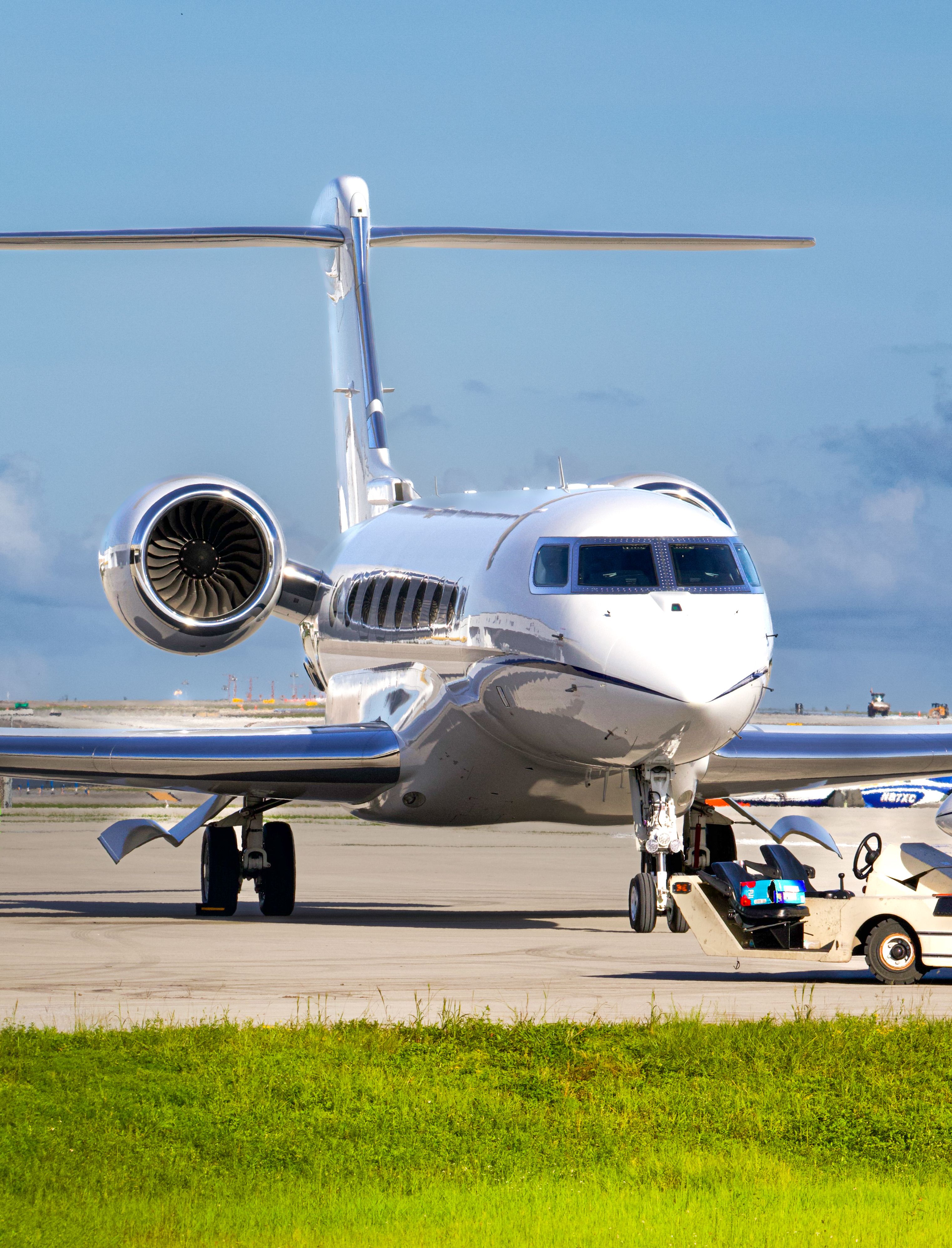
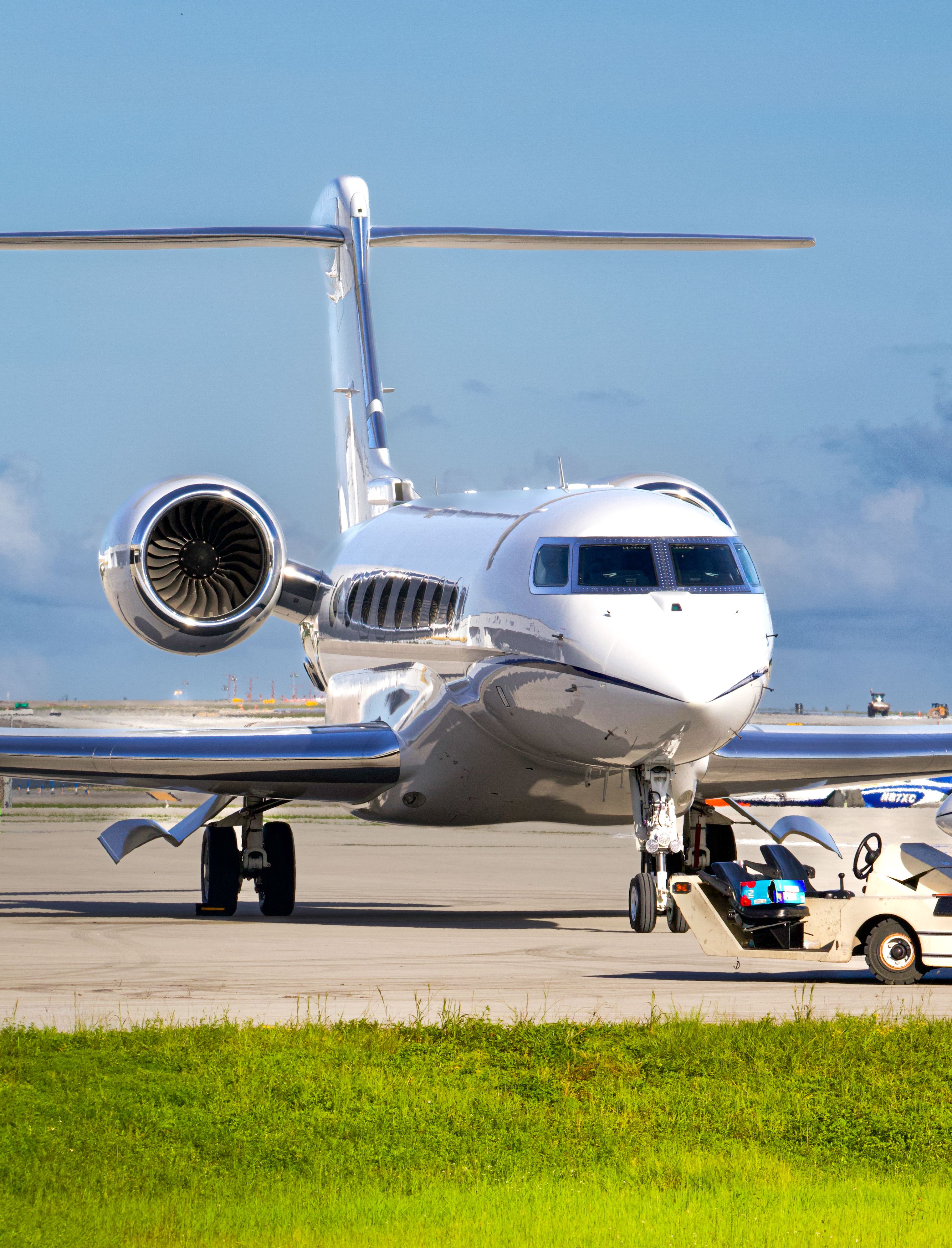
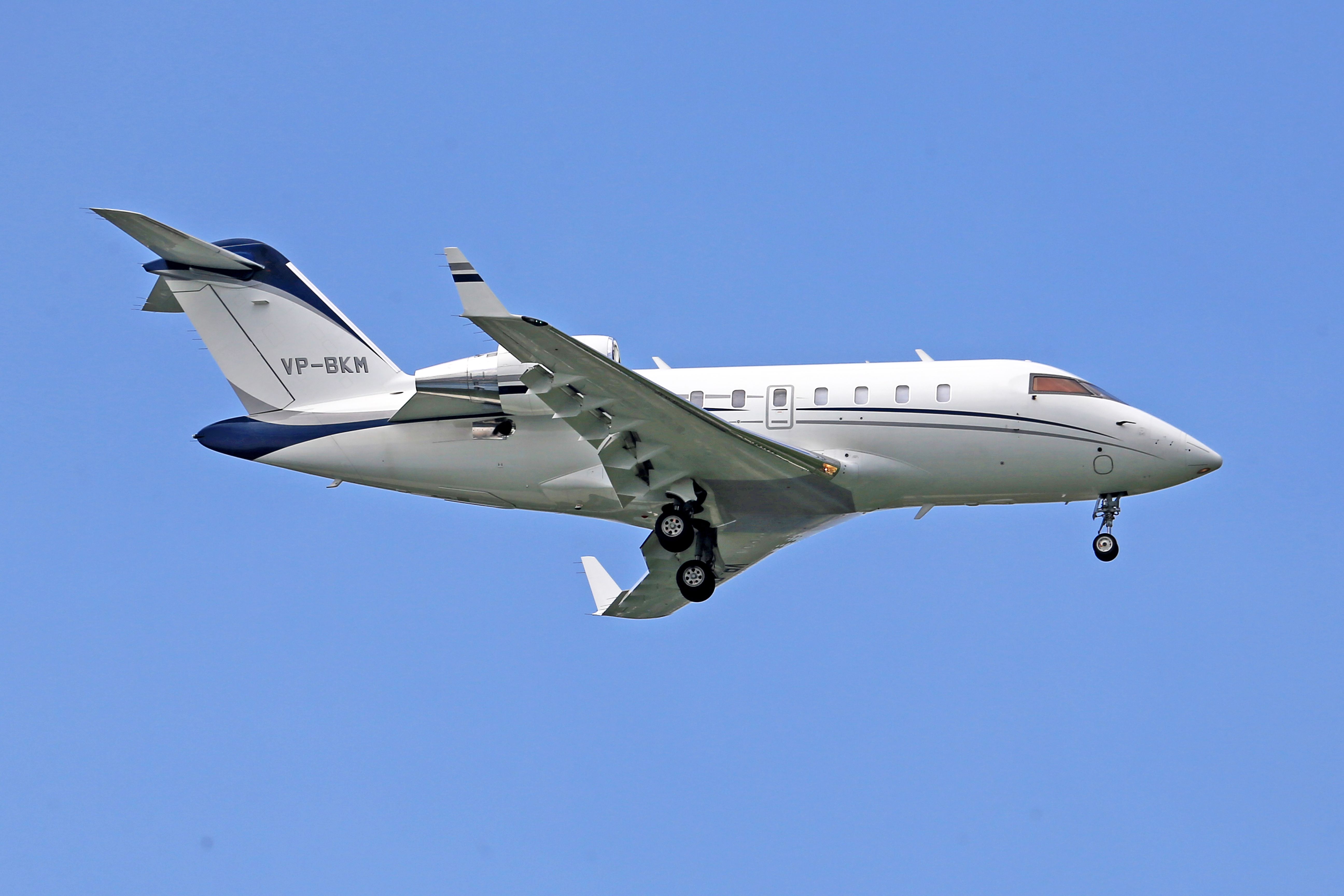
Unlike commercial airlines, which fly a handful of standardized aircraft types, the private charter world includes a wide range of aircraft sizes, from compact turboprops to large cabin jets. Through a network of certified Part 135 operators, services like Sky500.com can connect travelers with aircraft such as the Beechcraft King Air, Bombardier Challenger series, or larger options like the Airbus ACJ320 or Boeing 737 BBJ, depending on the trip and what's available.
Because cabin size, baggage compartment space, and passenger capacity vary significantly between these aircraft, the amount and type of luggage you can bring may differ from one flight to the next. It's always a good idea to ask about baggage allowances and cabin storage before you start packing, rather than assuming the rules are the same as your last trip.
Pack Smart, Not Just Light
Private charter flights are often associated with fewer restrictions than commercial travel, and in many cases, that's true. However, "fewer restrictions" doesn't mean "no restrictions." Smaller aircraft, such as light jets or turboprops, naturally have smaller baggage compartments. If you're traveling with golf clubs, ski equipment, or other oversized items, it's worth confirming ahead of time whether the aircraft assigned to your trip can accommodate them.
A good rule of thumb is to pack efficiently rather than simply packing light. Soft-sided luggage tends to be easier to fit into smaller cargo holds than rigid suitcases, and packing cubes or compression bags can help you make the most of your allotted space.
Keep Essentials in Your Carry-On
Even though private terminals typically involve a much faster boarding process than commercial airports, it's still smart to keep essential items within easy reach. Consider packing the following in a personal bag you keep with you in the cabin:
- Travel documents and identification
- Phone chargers and any necessary electronics
- Medications
- A light layer or jacket, since cabin temperatures can vary
- Any work materials or entertainment you'll want during the flight
Because private terminals often allow you to board quickly, sometimes just minutes before departure, having everything you need close at hand means you won't have to dig through checked luggage mid-flight.
Dress for Comfort and Flexibility
There's no strict dress code for private charter travel, and the relaxed cabin environment means comfort is usually the priority. That said, many travelers like to pack a slightly more polished outfit if their trip includes business meetings or events immediately after landing. Layers are generally a smart choice, since cabin climate can vary depending on the aircraft and the length of the flight.
Think About Trip Purpose and Duration
Private charters are used for everything from quick regional hops to longer cross-country trips, and the aircraft involved can range from a Beechcraft Bonanza for a short trip to a Bombardier Global 5000 for longer journeys. The nature of your trip should guide your packing choices. A short day trip for a business meeting calls for a very different packing list than a multi-day family vacation.
If you're traveling with family, including children, it can help to pack entertainment items, snacks, and any comfort items they might need, since private cabins often provide a bit more room to spread out than a commercial economy seat.
Ask About Pets and Special Items
One advantage many travelers appreciate about private charter is the potential ability to bring pets along in the cabin, subject to the operator's policies and the specific aircraft. If you're planning to travel with a pet, or with any special equipment like musical instruments or sensitive electronics, it's worth discussing this in advance so the operator can plan accordingly.
Communicate With Your Charter Coordinator
Perhaps the most important packing tip isn't about what to put in your bag — it's about communication. When you book through a service like Sky500.com, you're connected with a certified Part 135 operator who can answer specific questions about the aircraft being used for your flight, including baggage capacity, cabin dimensions, and any other considerations relevant to your trip. Sharing details about your luggage needs, group size, and any special items ahead of time helps ensure a smoother experience on departure day.
Sky500.com is an online travel service that connects travelers with a network of certified charter operators, including access to discounted empty leg flights, and there is no membership fee to use the service. Because Sky500 doesn't own or operate aircraft itself, the specific guidance on packing and baggage will ultimately come from the operator handling your flight — but the Sky500 team can help facilitate that conversation.
Final Thoughts
Packing for a private charter flight doesn't need to be complicated, but a little preparation goes a long way. Understanding the aircraft type, keeping essentials accessible, dressing for comfort, and communicating with your operator about any special needs will help you arrive ready for a smooth, enjoyable trip.
If you have questions about an upcoming charter flight or want to learn more about the aircraft available through Sky500's network of operators, you can reach the Sky500 team at 818-769-3535.