For executives, time is arguably the most valuable and least renewable resource they manage. Every hour lost to airport lines, layovers, or inefficient scheduling is an hour not spent closing deals, developing strategy, or leading teams. This is why a growing number of business leaders view private aviation not as a luxury, but as a practical productivity tool — one that reshapes how they structure their days and their travel.
The Hidden Cost of Commercial Travel for Executives
Commercial air travel, for all its benefits, was not designed around the needs of someone juggling back-to-back meetings across multiple cities in a single day. Security lines, boarding procedures, connection windows, and crowded gate areas all introduce friction and unpredictability into a schedule that often has very little room for delay.
For an executive, this friction has a real cost. A missed connection can mean a missed meeting. A long security line can mean arriving at a negotiation already behind schedule. Even when everything goes smoothly, the lack of privacy and the inability to control the environment can make it difficult to use travel time productively.
Reclaiming Time: The Core Value of Private Flight
Private aviation addresses many of these friction points directly. Instead of building a schedule around commercial flight times, executives can often align flights to their own calendars, flying when it makes sense for the business rather than when an airline happens to offer a route. This flexibility alone can compress what might be a two-day trip into a single day, freeing up time that would otherwise be lost to travel logistics.
Beyond scheduling flexibility, the cabin environment itself becomes an asset. A private aircraft cabin can function as a mobile office or a quiet conference room, depending on the needs of the trip. Executives can use flight time to prepare for meetings, review documents, conduct confidential calls, or simply rest before a demanding day — all without the interruptions typical of a crowded commercial cabin.
Matching Aircraft to the Mission
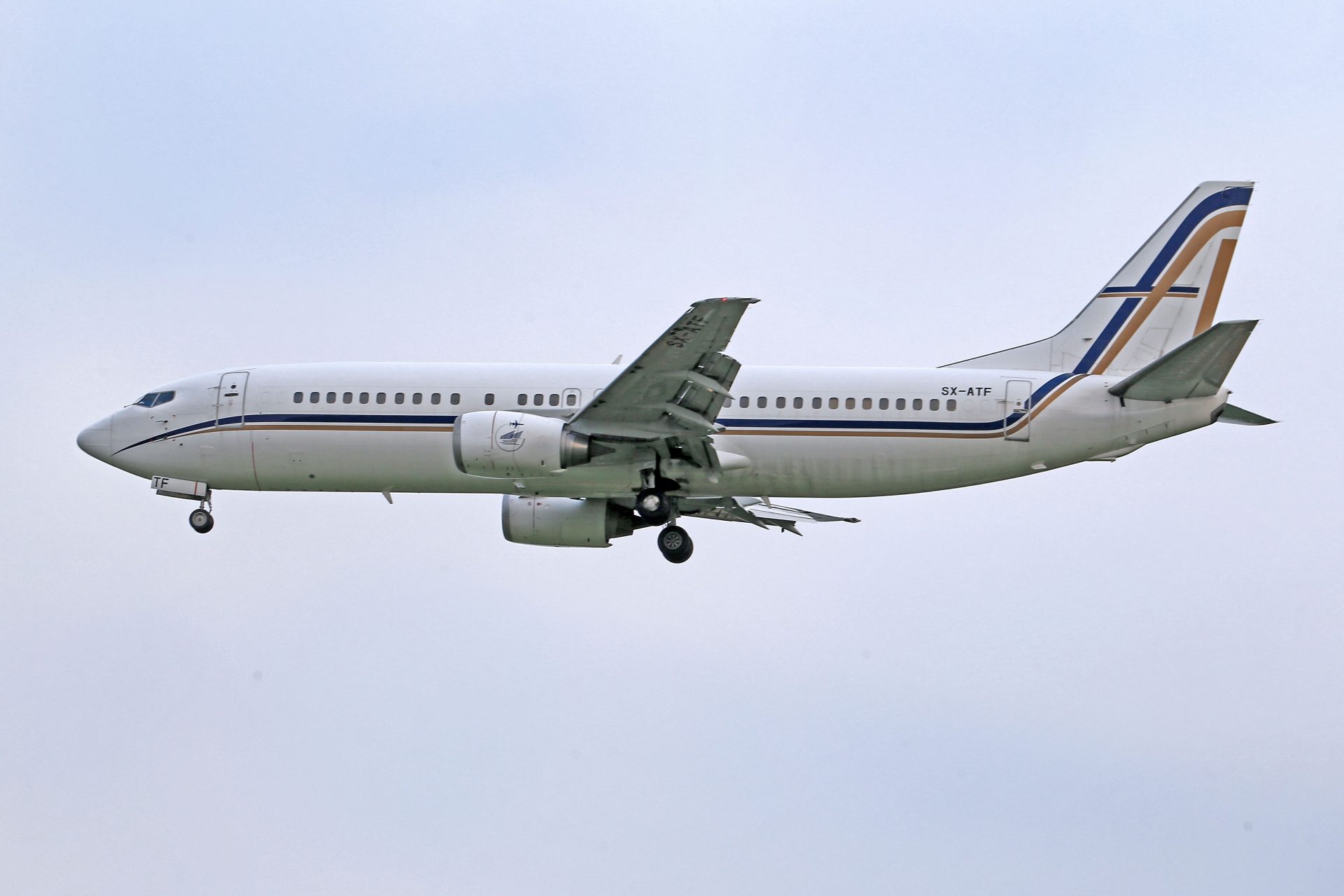
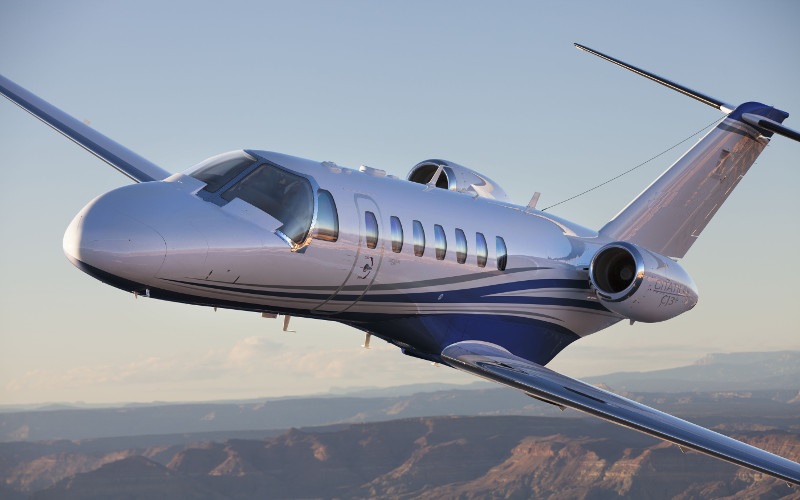
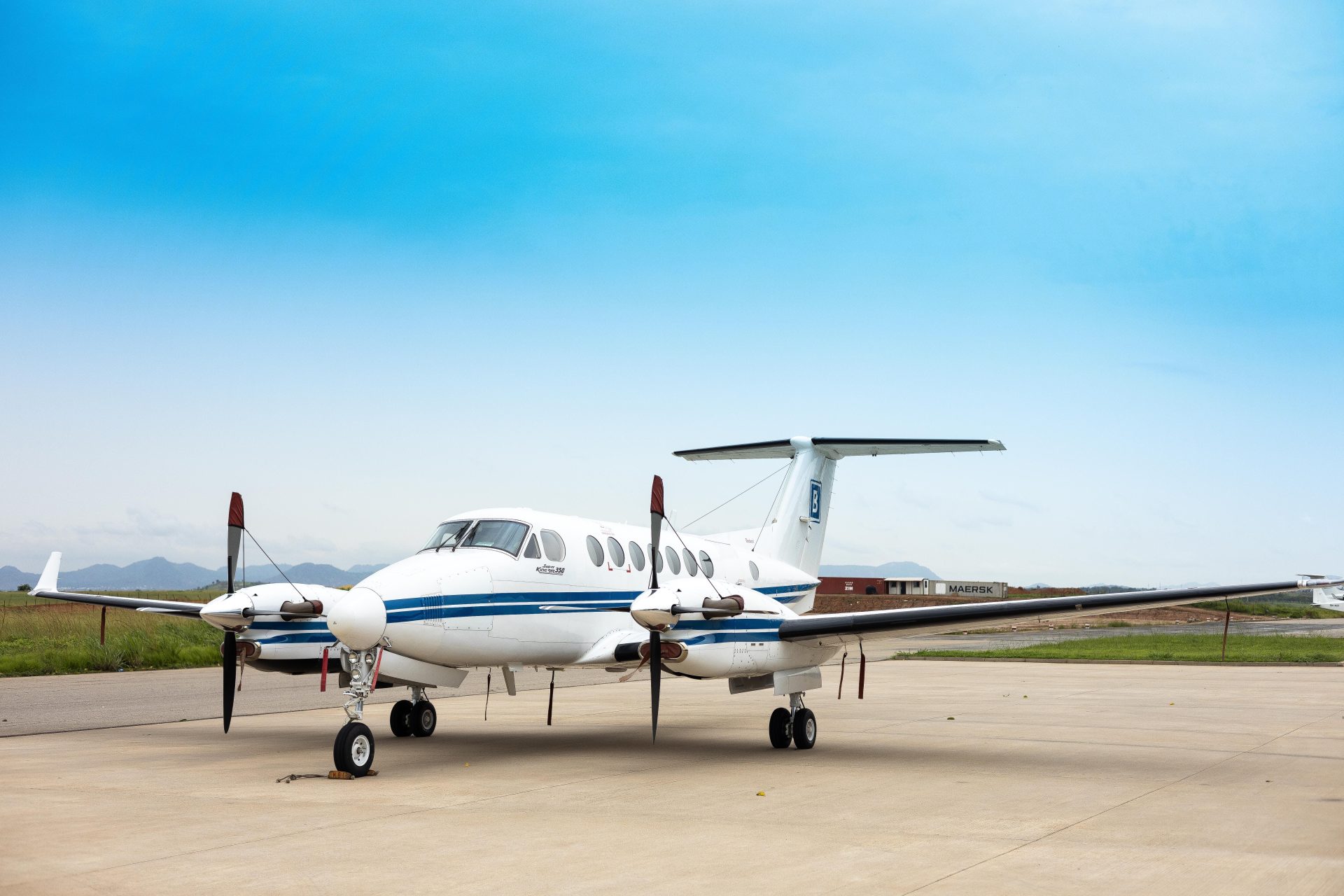
One advantage of working within a broad charter network is the ability to match the aircraft to the specific trip. A short regional hop for a single executive may call for a light option like a Beechcraft King Air or Beechcraft Premier 1, while a trip involving a larger team might be better suited to a midsize or super-midsize aircraft such as a Bombardier Challenger 300 or Challenger 605. For longer transcontinental or international business travel, larger-cabin aircraft like the Bombardier Global 5000 or an Airbus ACJ319 can offer the space and range needed for extended work sessions in the air.
This flexibility means executives and travel coordinators aren't locked into a one-size-fits-all approach. The right aircraft for a quick same-day round trip may look very different from the right aircraft for a multi-city tour, and having access to a range of options through a certified operator network allows trips to be planned around actual business needs rather than fixed airline schedules.
Multi-City Days and Complex Itineraries
One of the most practical productivity benefits of private aviation is its ability to support complex, multi-stop itineraries that would be difficult or impossible to execute efficiently on commercial routes. An executive might visit three cities in a single day for site visits, client meetings, or board discussions, returning home the same evening. This kind of itinerary, built around the business's needs rather than an airline's route map, can meaningfully increase the number of in-person meetings an executive can conduct in a given week.
Privacy and Focus
Confidentiality matters in business travel. Private cabins reduce the risk of sensitive conversations being overheard and allow executives to work on confidential materials without concern about who might be seated nearby. This privacy, combined with a quieter and more controlled environment, often makes it easier to concentrate during flight time — whether that means preparing for a major presentation or simply catching up on uninterrupted work.
How Sky500 Fits Into the Picture
Sky500.com is an online travel service that connects travelers with a network of certified Part 135 charter operators, including access to discounted empty leg flights when available. It's important to understand that Sky500 itself does not own, operate, or maintain any aircraft, and it is not a direct or indirect air carrier or Part 135 operator. Instead, Sky500 serves as a resource that helps travelers find appropriate charter options through its operator network — from light jets to larger-cabin aircraft like the Boeing BBJ or Boeing 757, depending on what's available and needed for the trip.
There is no membership fee to use Sky500, making it accessible for executives and companies exploring private aviation for the first time as well as those who travel this way regularly.
Making the Shift
For executives evaluating whether private aviation makes sense for their travel patterns, the questions often come down to how much time is currently lost to commercial travel friction, how many multi-city days are on the calendar, and how much value is placed on uninterrupted, private work time in the air. For many business leaders, the answer is that private aviation isn't simply about comfort — it's about reclaiming hours that would otherwise be spent waiting, connecting, or working around someone else's schedule.
Those interested in learning more about available charter options through Sky500's operator network can reach the team at 818-769-3535 to discuss trip needs and explore what might work best for a given itinerary.