For decades, flying private was viewed as a luxury reserved for a small circle of corporate titans. Today, a broader range of business leaders, founders, and traveling executives are rethinking how they move between meetings, cities, and time zones. The shift isn't about status — it's about efficiency, flexibility, and control over one of the few resources that can't be replaced: time.
Here's a closer look at why private charter continues to gain ground among executives, and how a service like Sky500 makes exploring that option more accessible than many people expect.
Time Is the Real Currency
Commercial air travel was built around fixed schedules, hub-and-spoke routing, and security lines designed for mass volume. For an executive juggling back-to-back meetings across multiple cities in a single day, those fixed variables can be the biggest obstacle. Private charter flips the model: instead of building a schedule around the airline, the airline builds around the traveler.
Departure times can align with when a meeting actually ends, not when a boarding gate opens. Routes can go directly between smaller regional airports closer to a final destination, cutting out layovers and long ground transfers entirely.
Access to Airports Commercial Carriers Skip
One of the most practical advantages of private charter is airport access. There are thousands more public-use airports in the United States than those served by commercial airlines. That means a business traveler heading to a secondary market or a smaller city often lands much closer to where they're actually going, rather than routing through a major hub and then driving an hour or more.
This is especially valuable for executives managing operations, site visits, or client meetings in locations that commercial airlines simply don't prioritize.
Privacy and Productivity in the Air
A commercial cabin is a shared, public space. A private cabin is not. For executives who need to review confidential materials, hold a sensitive call, or simply prepare for a high-stakes negotiation without interruption, that distinction matters. The hours spent in the air can become productive work time instead of a logistical dead zone.
Charter flights also remove many of the unpredictable variables of commercial travel — shifting gate assignments, long security lines, and crowded terminals — that can quietly erode a day's productivity before a meeting even begins.
Right-Sized Aircraft for the Mission
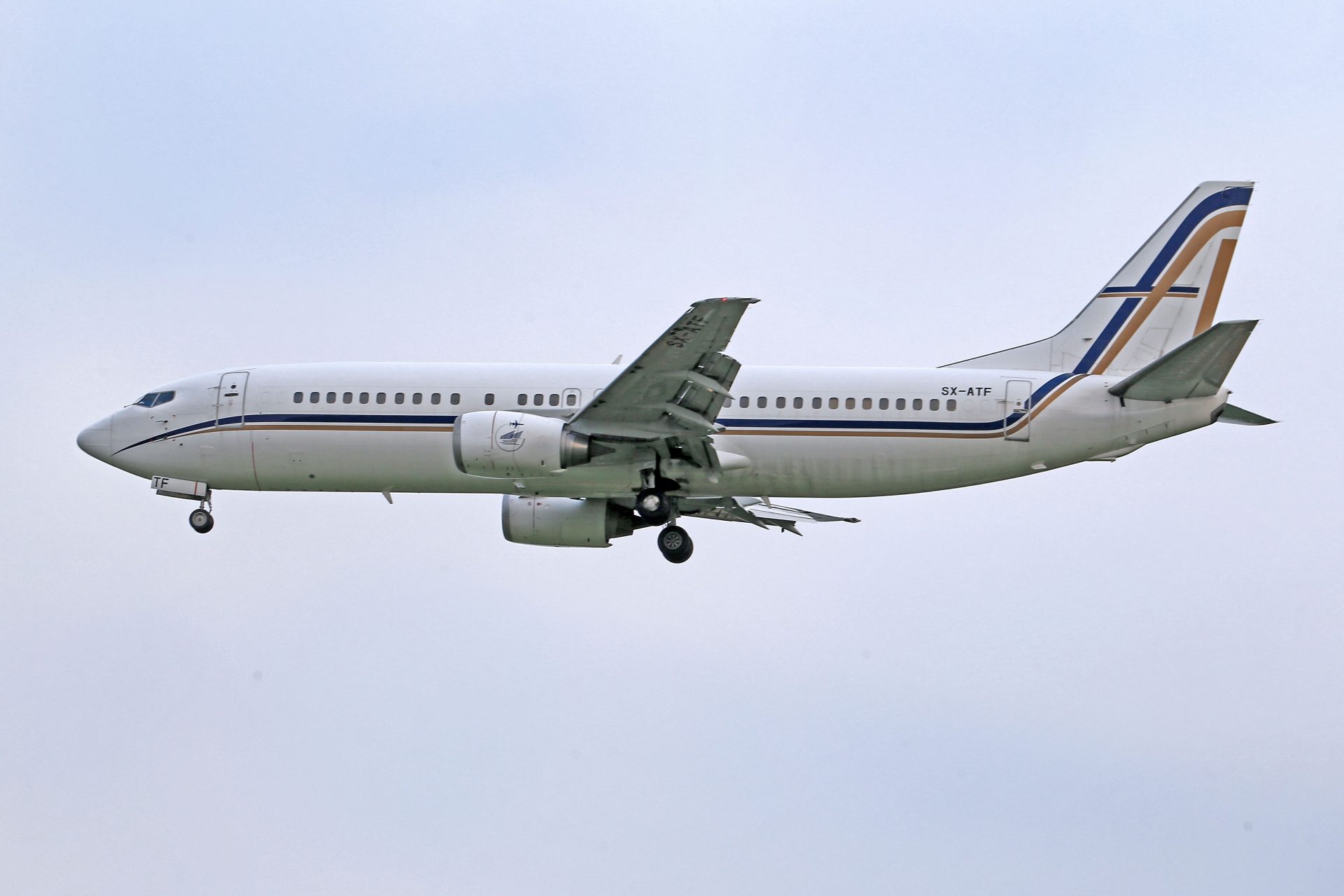
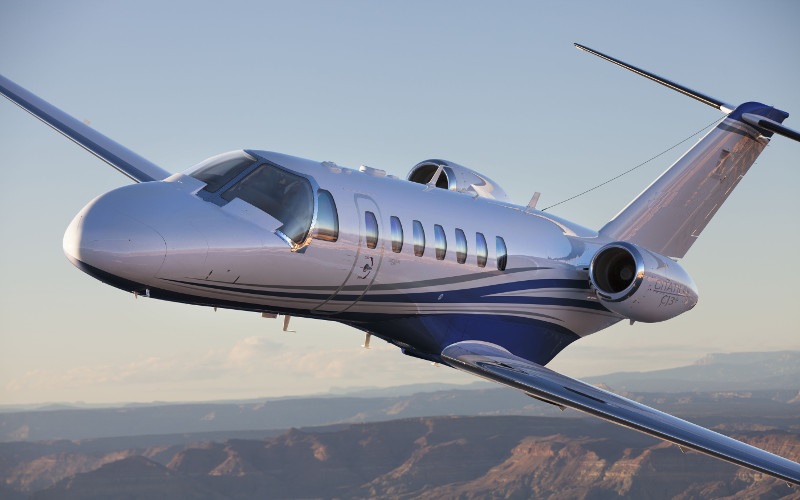
Private aviation isn't one-size-fits-all, and that flexibility is part of its appeal. A short regional hop for a small executive team might call for a turboprop or light jet, while a cross-country trip for a larger group could be better suited to a larger-cabin aircraft. Through its network of certified Part 135 operators, Sky500 can help connect travelers with options ranging from aircraft like the Beechcraft King Air and Bombardier Challenger series to larger-cabin options such as the Airbus ACJ319 or Boeing 737 BBJ, depending on the mission and operator availability.
This range allows business travelers to think in terms of the trip itself — number of passengers, distance, baggage needs — rather than being boxed into whatever seating configuration a commercial carrier happens to offer that day.
The Empty Leg Advantage
One detail that surprises many first-time charter travelers is the concept of an empty leg flight. When a charter aircraft completes a trip, it often needs to reposition back to its home base or to its next assignment — sometimes without passengers on board. These repositioning flights can be offered at a discount compared to a fully booked charter, giving flexible travelers a more cost-conscious way to experience private flight.
Sky500 works with its network of operators to surface these discounted empty leg opportunities, giving business travelers another avenue worth exploring if their schedule allows some flexibility around dates and routes.
Removing the Guesswork
A common misconception is that chartering a private flight requires an existing relationship with an aircraft owner or a complicated vetting process. In reality, services like Sky500 exist to simplify that search. Sky500.com is an online travel service that connects travelers with a network of certified Part 135 charter operators — the companies that actually own, operate, and maintain the aircraft and hold the operating authority required to fly passengers.
It's worth noting that Sky500 itself does not own, operate, or maintain aircraft, and is not an air carrier or Part 135 operator. Its role is to help travelers identify and connect with operators who can meet their specific trip requirements. There is also no membership fee required to use the service, which lowers the barrier for executives who want to explore private charter without committing to a long-term program.
A Shift in How Executives Value Their Time
The rise in private charter use among business travelers reflects a broader shift in priorities. As schedules become more compressed and travel needs more unpredictable, the appeal of a model built around the traveler — rather than the other way around — becomes easier to understand.
Whether it's avoiding a long layover, reaching a smaller airport near a job site, or simply reclaiming a few hours that would otherwise be lost in a terminal, private charter offers a different way of thinking about business travel altogether.
For executives curious about how this works in practice, Sky500 can be reached at 818-769-3535 to learn more about connecting with its network of certified charter operators.