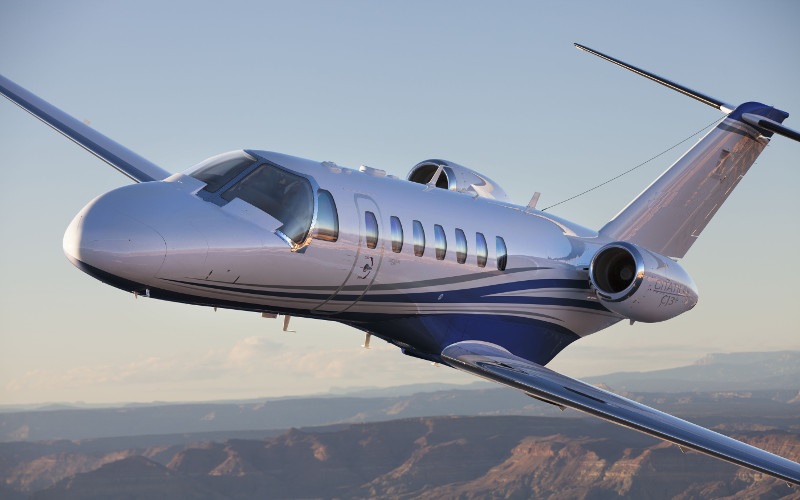
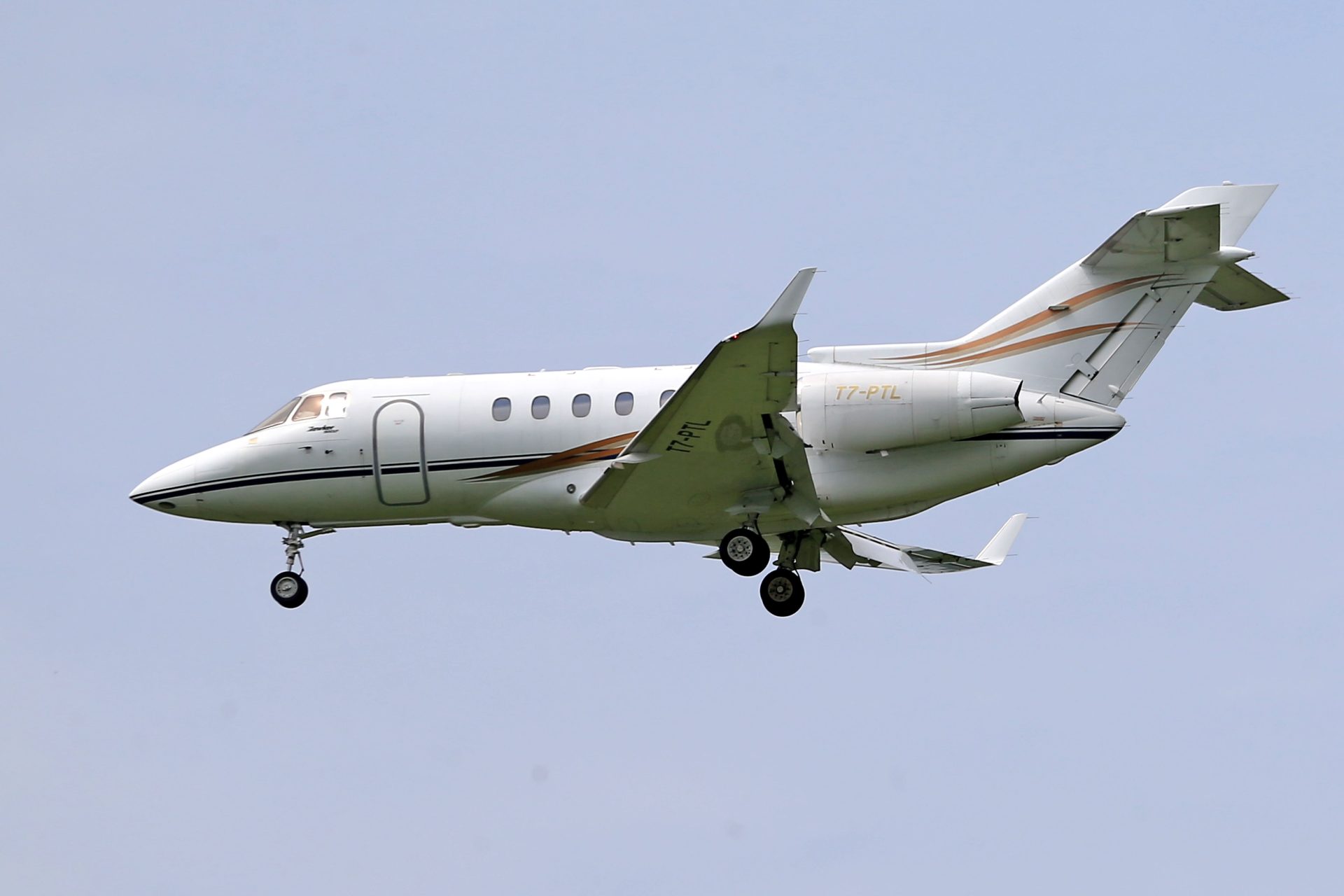
For executives, time is often the scarcest resource in the business. Meetings run long, schedules shift at the last minute, and a single wasted travel day can ripple through an entire week of priorities. It's no surprise that more business leaders are looking at private aviation not as a luxury, but as a tool for reclaiming hours that would otherwise be lost to the friction of commercial travel.
The Hidden Cost of "Normal" Travel
Commercial air travel is built around the needs of the many, not the schedule of the one. Arrival windows, security lines, layovers, and gate changes all add unpredictable time to a trip. For an executive juggling board meetings, client visits, and operational oversight across multiple cities, that unpredictability can be more costly than the ticket price itself.
Private aviation flips that equation. Instead of building a business trip around an airline's schedule, the schedule is built around the business. That shift — from reactive to proactive travel planning — is where much of the productivity gain comes from.
Time as a Strategic Asset
When executives fly on their own terms, several practical advantages emerge:
- Same-day round trips. A morning meeting in one city and an afternoon follow-up in another become realistic, rather than requiring an overnight stay.
- Uninterrupted work time. Private cabins offer a quieter, more controlled environment for calls, reviewing documents, or preparing for a presentation — without the distractions common on a crowded commercial flight.
- Fewer handoffs. Avoiding connections and layovers reduces the number of points where delays can occur, which matters when a missed connection could mean a missed deal.
- Flexibility to adapt. Plans change. Private charter arrangements can often accommodate shifting departure times more readily than a fixed commercial itinerary.
None of this eliminates the realities of travel — weather, maintenance, and logistics still apply — but it does remove many of the inefficiencies that are built into mass-market air travel.
Matching the Aircraft to the Mission
One of the advantages of working through a broker like Sky500 is access to a range of aircraft types through a network of certified Part 135 charter operators, allowing the aircraft to be matched to the trip rather than forcing the trip to fit a single aircraft type.
For a short regional hop with a small team, a turboprop such as a Beechcraft King Air might make sense. For a cross-country trip with several colleagues and luggage for a multi-day engagement, a midsize option like a Bombardier Challenger 300 or Challenger 605 could be more appropriate. Larger teams or longer international itineraries might call for something like an Airbus ACJ319 or a Boeing 737 BBJ. The point isn't the aircraft itself — it's that the right airframe for the mission helps avoid wasted capacity, wasted cost, or wasted time.
Where Sky500 Fits In
Sky500.com is an online travel service that connects travelers with certified Part 135 charter operators, including access to discounted empty leg flights when availability allows. It's important to understand what that means in practice: Sky500 does not own, operate, or maintain aircraft, and is not itself an air carrier or Part 135 operator. Instead, it functions as a connector — helping travelers identify charter options through its network of operators who hold the appropriate certifications and carry out the actual flights.
This model can be useful for executives who don't fly privately often enough to justify owning or fractionally owning an aircraft, but who still want access to charter options when the trip calls for it. There is no membership fee to use Sky500, which lowers the barrier for executives who want to explore private aviation on an as-needed basis rather than committing to a long-term program.
Thinking About Private Aviation as Infrastructure
It helps to think of private aviation less as a one-off indulgence and more as a piece of business infrastructure — similar to how a company might think about its communication tools or its office space. Used thoughtfully, it supports the pace at which decisions actually need to be made.
That said, private aviation isn't a fit for every trip. For routine travel with flexible timing, commercial flights may still be the more practical choice. The value of private charter tends to show up most clearly when:
- Multiple destinations need to be covered in a single day
- The itinerary doesn't align well with commercial schedules
- Confidentiality or focused work time during the flight is a priority
- A team needs to travel together efficiently
In these situations, the hours saved can translate directly into more time spent on the work that actually matters.
Getting Started
Executives exploring private aviation for the first time don't need to commit to ownership or a membership program to see whether it fits their travel patterns. Working with a broker that has access to a range of operators and aircraft types can be a practical way to test the waters, understand costs, and see how charter travel might change the shape of a business week.
To learn more about how Sky500 connects travelers with certified Part 135 charter operators, you can reach the team at 818-769-3535.
Private aviation won't eliminate every travel headache, but for executives whose time is their most valuable asset, it can remove many of the inefficiencies that stand between a packed schedule and a productive one.