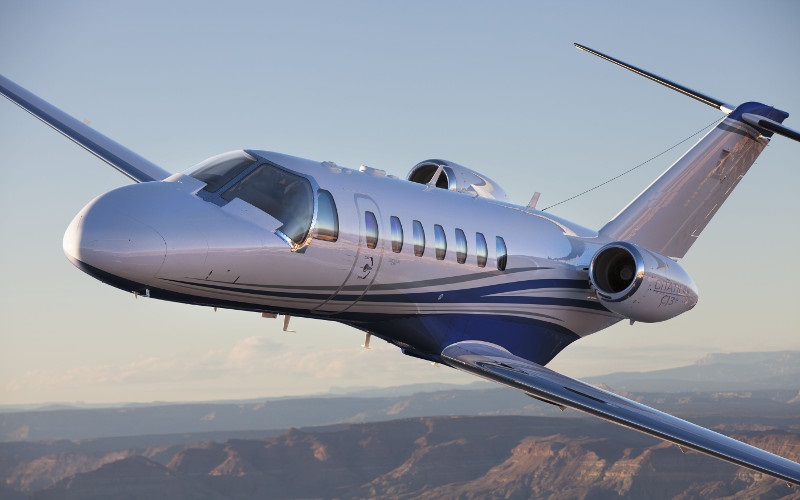
Private charter travel offers a level of flexibility and convenience that commercial flying simply can't match. But with so many aircraft types, operators, and trip configurations available, choosing the right charter flight for your specific trip can feel overwhelming if you don't know where to start. Whether you're planning a quick regional hop or a longer cross-country journey, understanding the key factors that shape a good charter decision will help you get the most out of the experience.
Start With Your Trip Profile
Before looking at any aircraft, it helps to define the basics of your trip: how many passengers are traveling, how much luggage you're bringing, how far you're going, and whether you need to make any stops along the way. These details will naturally narrow down the type of aircraft that makes sense. A short trip with two or three passengers has very different needs than a longer journey with a larger group and more baggage.
Passenger Count and Comfort
Group size is one of the biggest factors in aircraft selection. Smaller turboprops and light jets are well suited to a handful of passengers traveling shorter distances, while larger cabin aircraft can accommodate bigger groups or provide more room to work and relax on longer flights. Think about how your group will actually use the cabin — will people want to spread out, hold a meeting, or simply relax during the flight?
Distance and Range
The distance of your trip plays a major role in determining which aircraft category fits best. Some aircraft are designed for shorter regional flights, while others are built for longer, nonstop journeys. If your itinerary includes a long leg without a convenient fuel stop, you'll want to make sure the aircraft you choose has the range to comfortably complete it.
Understanding Aircraft Categories
Private aircraft generally fall into a few broad categories, and each serves a different purpose:
- Turboprops and light aircraft, such as the Beechcraft King Air family or Beechcraft Bonanza, are often a practical choice for shorter trips or smaller groups, particularly when landing at smaller airports.
- Light and midsize jets, like the Beechcraft Premier 1 or Bombardier Challenger 300, offer a step up in speed and cabin space, making them a good fit for regional or medium-length trips.
- Super-midsize and heavy jets, including aircraft like the Bombardier Challenger 604, Challenger 650, or Global 5000, are typically better suited to longer flights or larger groups that want more cabin room and amenities.
- Helicopters, such as the Airbus Helicopters AS350 A-Star or Bell 407, can be a useful option for very short hops, particularly when airport access or ground transportation is a challenge.
- Airliner-type aircraft, like the Airbus ACJ319 or Boeing 737 BBJ, exist for situations involving very large groups or specialized travel needs.
This is not an exhaustive list of every category, but it illustrates how aircraft are generally matched to trip type. A knowledgeable charter broker can help translate your specific trip details into the aircraft category that makes the most sense.
Consider Flexibility and Timing
One of the advantages of private charter is flexibility, but that flexibility can also be shaped by cost-conscious choices. For travelers who don't need a rigid schedule, empty leg flights — repositioning flights that operators need to fly anyway — can be a way to access charter travel at a reduced rate. These flights depend on aircraft already scheduled to fly a particular route, so they work best for travelers who can be flexible about departure times and dates.
If your schedule is fixed and non-negotiable, a traditional charter booking gives you more control over departure time, routing, and aircraft choice, though it won't have the cost advantages that come with an empty leg opportunity.
Think About the Full Journey, Not Just the Aircraft
Choosing the right charter flight isn't only about picking an aircraft type. Consider the airports you'll be using on both ends of your trip — private aviation often allows access to smaller, more convenient airports closer to your final destination, which can meaningfully reduce total travel time even if the flight itself isn't dramatically shorter. It's also worth thinking about ground transportation, catering preferences, and any special requirements your group might have, since these details can all be coordinated as part of planning your charter.
Work With a Broker Who Understands the Options
Because there are so many aircraft types, operators, and routing possibilities, working with a service that can match your trip to the right option is often the simplest path forward. Sky500.com is an online travel service that connects travelers with a network of certified Part 135 charter operators, including access to discounted empty leg flights when your schedule allows for flexibility. Sky500 does not own or operate aircraft itself — it works as a connector between travelers and the certified operators who actually provide the charter service, drawing on a network that includes everything from light aircraft and helicopters to midsize and larger jets.
There is no membership fee to use Sky500, which makes it easy to explore your options and compare what's available for your specific trip without a long-term commitment.
Final Thoughts
The right private charter flight comes down to matching your trip's real requirements — passenger count, distance, schedule flexibility, and airport access — with the aircraft category that fits best. Taking the time to think through these factors before booking will help ensure your charter experience is as smooth and comfortable as possible.
If you'd like help thinking through your options, you can reach Sky500 at 818-769-3535 to discuss your trip and learn more about available aircraft through their network of certified operators.