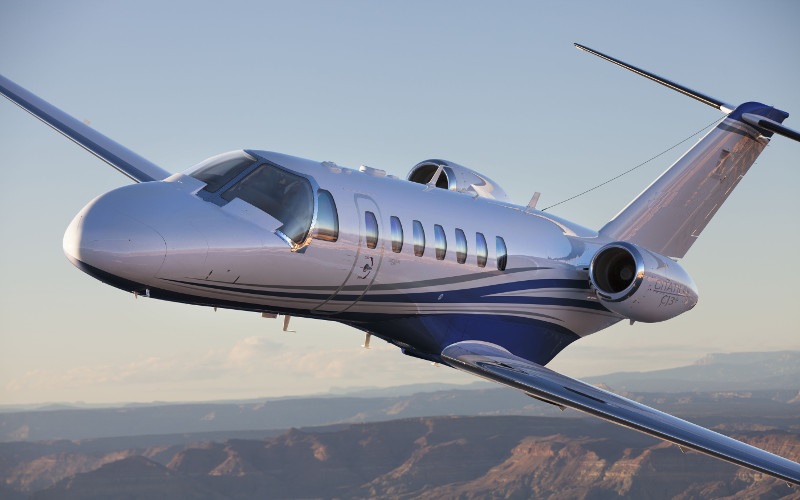
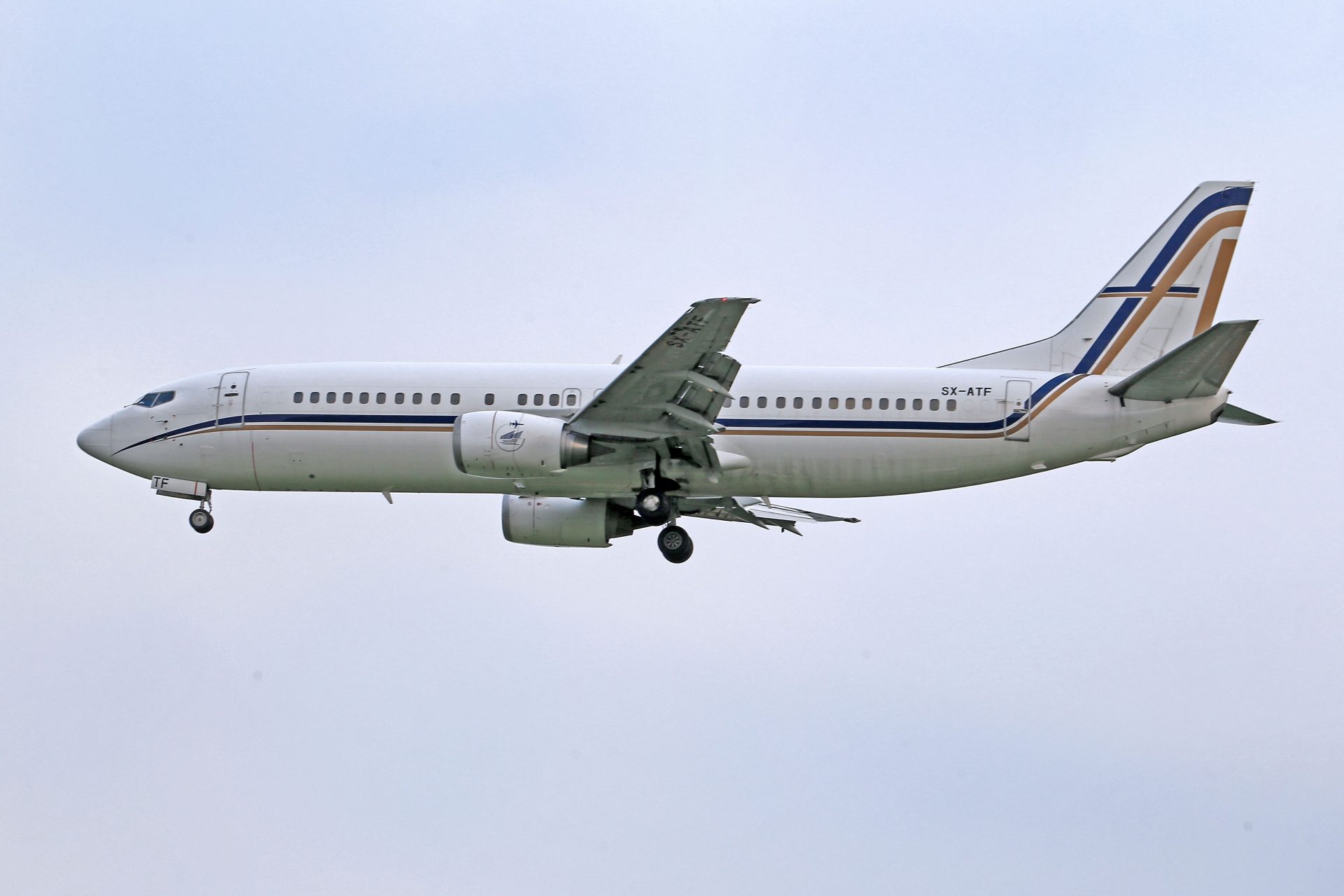
One of the most common questions people ask when considering a private jet flight is simple: how many passengers can actually fit on board? The answer depends entirely on the type and size of the aircraft. Private aviation covers a wide spectrum of aircraft, from compact turboprops designed for short regional hops to large-cabin jets built for long-haul international travel with a full group. Understanding these categories can help you think about what kind of aircraft might suit a particular trip.
Passenger Capacity Varies by Aircraft Category
Private aircraft are generally grouped into categories based on size, range, and cabin configuration. Each category tends to accommodate a different range of passengers, along with different amounts of luggage space and cabin amenities.
Turboprops and Light Piston Aircraft
At the smaller end of the spectrum are turboprops and piston aircraft, which are often used for shorter trips or travel to airports with shorter runways. Aircraft in this category, such as the Beechcraft King Air family or the Beechcraft Bonanza and Beechcraft Baron, typically seat anywhere from four to around eight passengers, depending on the specific model and cabin layout. These aircraft are popular for regional travel where efficiency and access to smaller airports matter more than ultra-long range.
Light Jets
Light jets offer a step up in speed and comfort while still being practical for shorter to mid-length trips. Aircraft such as the Beechcraft Beechjet 400 or Beechcraft Premier 1 generally accommodate somewhere in the range of six to eight passengers. These jets are often chosen for business travel or smaller group trips where a full-size cabin isn't necessary.
Midsize and Super-Midsize Jets
Midsize jets strike a balance between cabin space, range, and operating efficiency. Aircraft like the Bombardier Challenger 300 and Bombardier Challenger 350 typically seat around eight to nine passengers, with more interior room and amenities than light jets, making them a common choice for longer domestic trips or small business groups.
Large-Cabin and Heavy Jets
For longer international flights or larger groups, large-cabin jets provide more seating, stand-up cabins, and extended range. Aircraft such as the Bombardier Challenger 600, 601, 604, 605, and 650 series, along with the Bombardier Global 5000, commonly seat around ten or more passengers depending on configuration. These aircraft are often used for cross-country or transoceanic travel where comfort over longer flight times is a priority.
Airliner-Style Private Jets
At the top end of the spectrum are aircraft derived from commercial airliners, reconfigured for private or VIP use. This includes aircraft like the Airbus ACJ319, Airbus ACJ320, Boeing 737 BBJ, Boeing 757, and even the Boeing 747. Because these aircraft are built on airliner platforms, their passenger capacity can vary enormously based on how the cabin is configured — some are outfitted with spacious lounges and private suites for a smaller number of travelers, while others can be arranged to carry dozens of passengers for large group charters.
Helicopters
For shorter trips, airport transfers, or point-to-point travel in areas without convenient runway access, helicopters are another option within the private aviation world. Models such as the Bell 206, Bell 407, Bell 429, Airbus Helicopters AS350 A-Star, AS355 Twin Star, and H145 typically carry anywhere from a handful of passengers up to around seven or eight, depending on the model.
Factors That Affect Passenger Count
It's worth noting that the number of seats listed for a particular aircraft model isn't always a fixed number. A few factors can influence how many passengers actually fit comfortably on a given flight:
- Cabin configuration: Some aircraft are configured with fewer, more spacious seats and amenities like berthable seating, while others prioritize maximizing the number of seats.
- Baggage and cargo needs: Weight and balance considerations mean that a full load of luggage or equipment can sometimes affect how many passengers an aircraft can carry on a particular route.
- Range of the trip: Longer flights may require additional fuel, which can also factor into weight and capacity planning.
- Operator-specific setups: Individual operators may customize cabin layouts, so the same aircraft model can have slightly different seating capacities from one operator to another.
Choosing the Right Size Aircraft
When planning a private flight, thinking about your group size alongside your travel distance, luggage needs, and budget can help narrow down which category of aircraft makes the most sense. A smaller group heading on a short regional trip might be comfortably served by a turboprop or light jet, while a larger group traveling internationally might look toward a large-cabin or airliner-style aircraft.
This is where working with a knowledgeable service can be helpful. Sky500.com is an online travel service that connects travelers with a network of certified Part 135 charter operators, including access to discounted empty leg flights. Sky500 does not own, operate, or maintain aircraft itself — rather, it helps match travelers with the operators in its network who can offer aircraft suited to the trip's passenger count, distance, and schedule. There's no membership fee to use the service.
If you're trying to figure out what size aircraft might work best for your next trip, the team at Sky500 can be reached at 818-769-3535 to discuss options available through its network of certified operators.