For professionals who spend their careers moving between client sites, job locations, or regional offices, time is often the scarcest resource. A single week might call for visits to several cities, each with its own meeting schedule, logistics, and deadlines. Commercial air travel, with its fixed schedules, layovers, and security lines, can turn a simple two-city trip into a multi-day ordeal. This is one of the main reasons business travelers increasingly look toward private aviation as a practical tool rather than a luxury.
Why Business Travel Has Unique Demands
Client meetings and site visits rarely follow a simple A-to-B pattern. A construction executive might need to inspect a job site in the morning and meet with investors in another city that same afternoon. A sales team might need to visit three regional offices in two days. These itineraries are difficult, and sometimes impossible, to build around commercial flight schedules.
Private aviation offers a different approach. Instead of adjusting your business schedule to fit available flights, you can look at building a flight schedule around your business needs. This flexibility is often the single biggest advantage for professionals managing tight, multi-stop itineraries.
Time Efficiency Beyond the Flight Itself
The benefits of flying privately extend beyond the hours spent in the air. Private terminals typically involve shorter wait times before departure, which can reduce the overall time commitment of a trip. For professionals whose day is built around back-to-back meetings, this can make the difference between arriving relaxed and prepared versus rushed and distracted.
Private flights can also open up access to smaller regional airports that may be closer to a client's office or a job site than the nearest major commercial hub. Depending on the trip, this can shorten ground transportation time significantly, which matters when a single day includes multiple stops.
Matching the Aircraft to the Trip
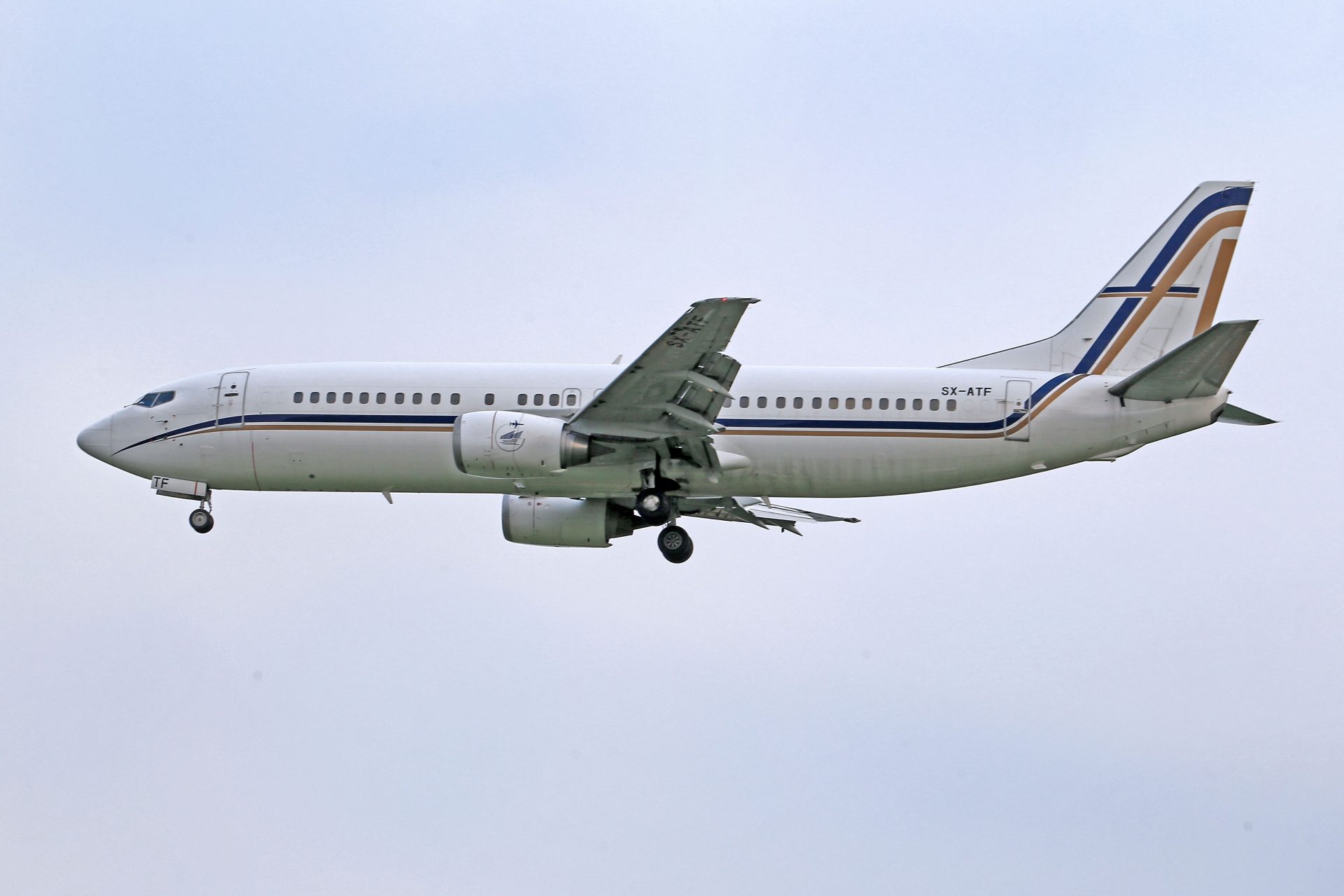
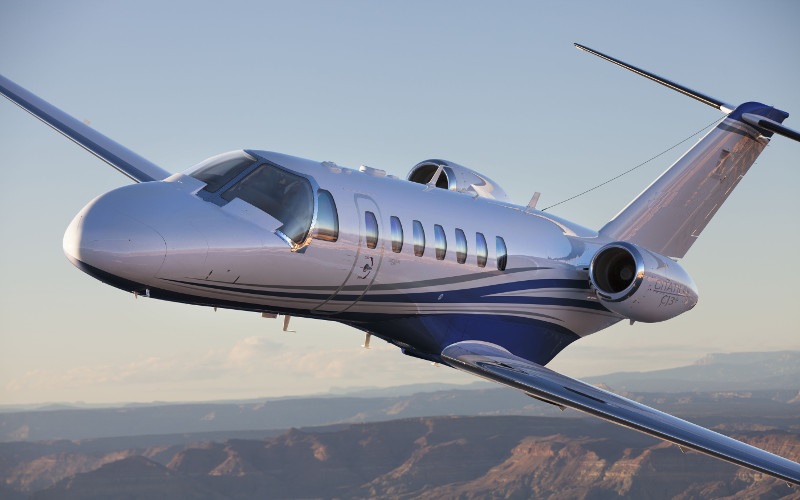
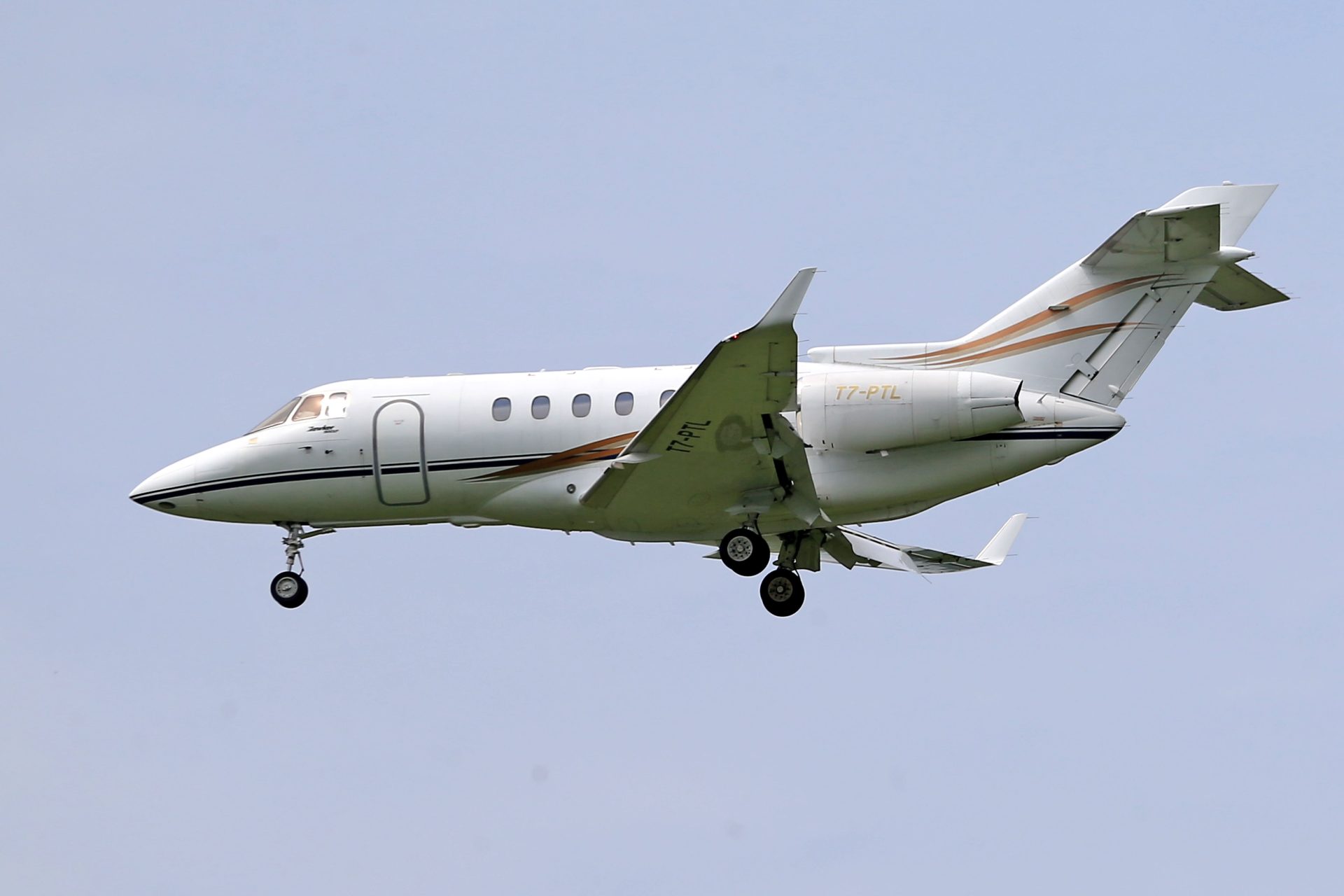
One advantage of working with a network of charter operators is the ability to consider different aircraft types depending on the nature of a trip. A short regional hop to a site visit might be well suited to a turboprop or light jet, such as a Beechcraft King Air or a Beechcraft Premier 1, while a longer trip connecting multiple cities for client meetings might call for a midsize or super-midsize jet, such as a Bombardier Challenger 300 or Challenger 604.
For larger teams traveling together, such as a sales group or an executive delegation, aircraft like the Bombardier Global 5000 or even an Airbus ACJ319 may offer the cabin space needed to work, prepare materials, or hold informal discussions en route. The right aircraft depends on passenger count, distance, and the specific goals of the trip, which is why having access to a broad network of options matters.
How Sky500 Fits Into the Picture
Sky500.com is an online travel service that connects travelers with certified Part 135 charter operators for private jet flights, including discounted empty leg flights when availability allows. It's important to understand that Studio Jet, Inc., doing business as Sky500.com, does not own, operate, maintain, or charter its own aircraft. Sky500 is not a direct or indirect air carrier, nor is it a Part 135 operator itself. Instead, it functions as a broker, helping travelers connect with operators in its network who hold the appropriate certifications to actually conduct the flights.
This structure means that when you use Sky500 to arrange business travel, the operational and safety responsibilities rest with the certified Part 135 operator carrying out the flight, while Sky500 focuses on helping you find and arrange that flight through its network.
There is no membership fee to use Sky500, which can make it an accessible starting point for professionals who are exploring private aviation for the first time, as well as for seasoned flyers comparing options for an upcoming trip.
Thinking Through Empty Leg Opportunities
One concept worth understanding when planning business travel is the "empty leg" flight. These occur when an aircraft needs to reposition after dropping off passengers, often returning without anyone on board unless another traveler books that specific route and timing. Sky500's network includes access to these discounted empty leg opportunities, which can sometimes align well with flexible business itineraries, particularly for site visits where exact timing has some give.
That said, empty legs are tied to the original aircraft's schedule, so they work best for travelers who have some flexibility in departure times or routing rather than a fixed, non-negotiable schedule.
Practical Considerations for Business Travelers
When evaluating whether private aviation makes sense for a client meeting or site visit, a few questions can help guide the decision:
- How many stops does the itinerary include, and would commercial connections realistically allow for all of them in the available time?
- Is the destination served by a smaller regional airport that would save meaningful ground transit time?
- How many people are traveling together, and would a shared private flight be more efficient than several individual commercial tickets?
- Is there flexibility in timing that might allow for an empty leg opportunity?
Answering these questions honestly can help determine whether private travel is a practical fit for a specific trip, rather than treating it as an automatic upgrade for every business itinerary.
Getting Started
For professionals considering private aviation for upcoming client meetings or site visits, the process typically starts with a conversation about the itinerary: where you're going, how many people are traveling, and what kind of flexibility exists in the schedule. From there, Sky500 can help connect you with Part 135 certified operators in its network whose available aircraft and scheduling align with your trip.
To learn more or discuss a specific itinerary, Sky500 can be reached at 818-769-3535. Whether you're planning a single site visit or a multi-city client tour, understanding your options is the first step toward making private aviation work for your business travel needs.