If you've only ever flown commercially, the idea of a "private aviation terminal" might conjure images from movies more than reality. In practice, the experience is simpler and more straightforward than most people expect. Whether you're chartering a light jet for a quick regional hop or a larger cabin aircraft for a longer trip, understanding what happens at a fixed-base operator, or FBO, can help you feel prepared and relaxed on travel day.
What Exactly Is an FBO?
An FBO, or fixed-base operator, is a facility located at an airport that provides services to private and charter aircraft, separate from the commercial terminals most travelers are used to. FBOs exist at major international airports as well as smaller regional airfields, and they handle everything from fueling and aircraft parking to passenger check-in and ground transportation coordination.
Because private charter flights operate outside the large commercial terminal system, FBOs are designed around convenience and efficiency. There's generally no need to navigate long security lines or wait at crowded gates.
Arriving at the FBO
Most travelers are advised to arrive at the FBO a relatively short time before departure compared to a commercial flight. Exact timing can vary depending on the operator, the aircraft, and the airport, so it's worth confirming arrival instructions when your trip is booked. When you arrive, you'll typically be greeted by FBO staff and directed to a private lounge area while final preparations for your aircraft are completed.
These lounge spaces often include comfortable seating, restrooms, and sometimes refreshments or light amenities, though offerings vary by location and FBO provider. Parking is usually close to the building, and some FBOs offer curbside assistance with luggage.
Check-In and Security
Private charter flights are still subject to applicable aviation security requirements, but the process at an FBO is generally more streamlined than at a commercial terminal. Identification may be verified, and depending on the nature of the flight, additional screening procedures could apply. Your charter operator or booking service should be able to explain what documentation you'll need to bring.
Because you're not navigating a large, shared security checkpoint, the overall process tends to move quickly, allowing you to transition from the lounge to the aircraft with minimal delay.
Boarding the Aircraft
When your aircraft and crew are ready, FBO staff or your flight crew will typically escort you directly to the tarmac. Depending on the airport layout, this might involve walking a short distance or being driven to where the aircraft is parked. Unlike commercial flights, there's no long walk through a jet bridge or waiting in a line of other passengers.
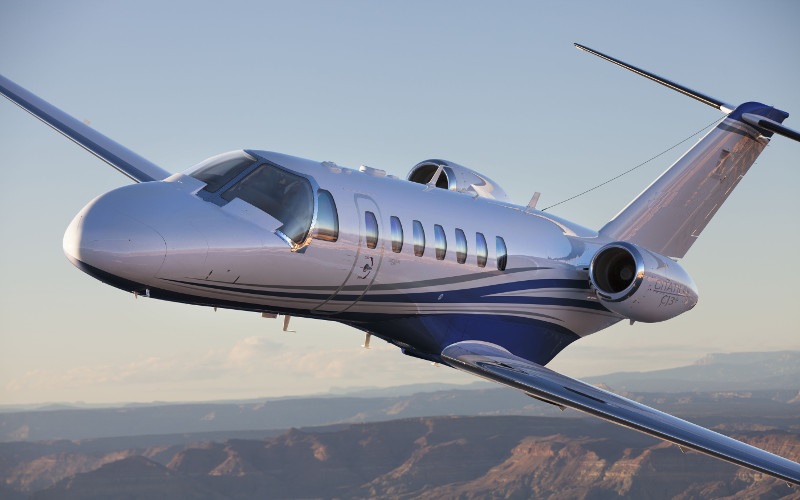
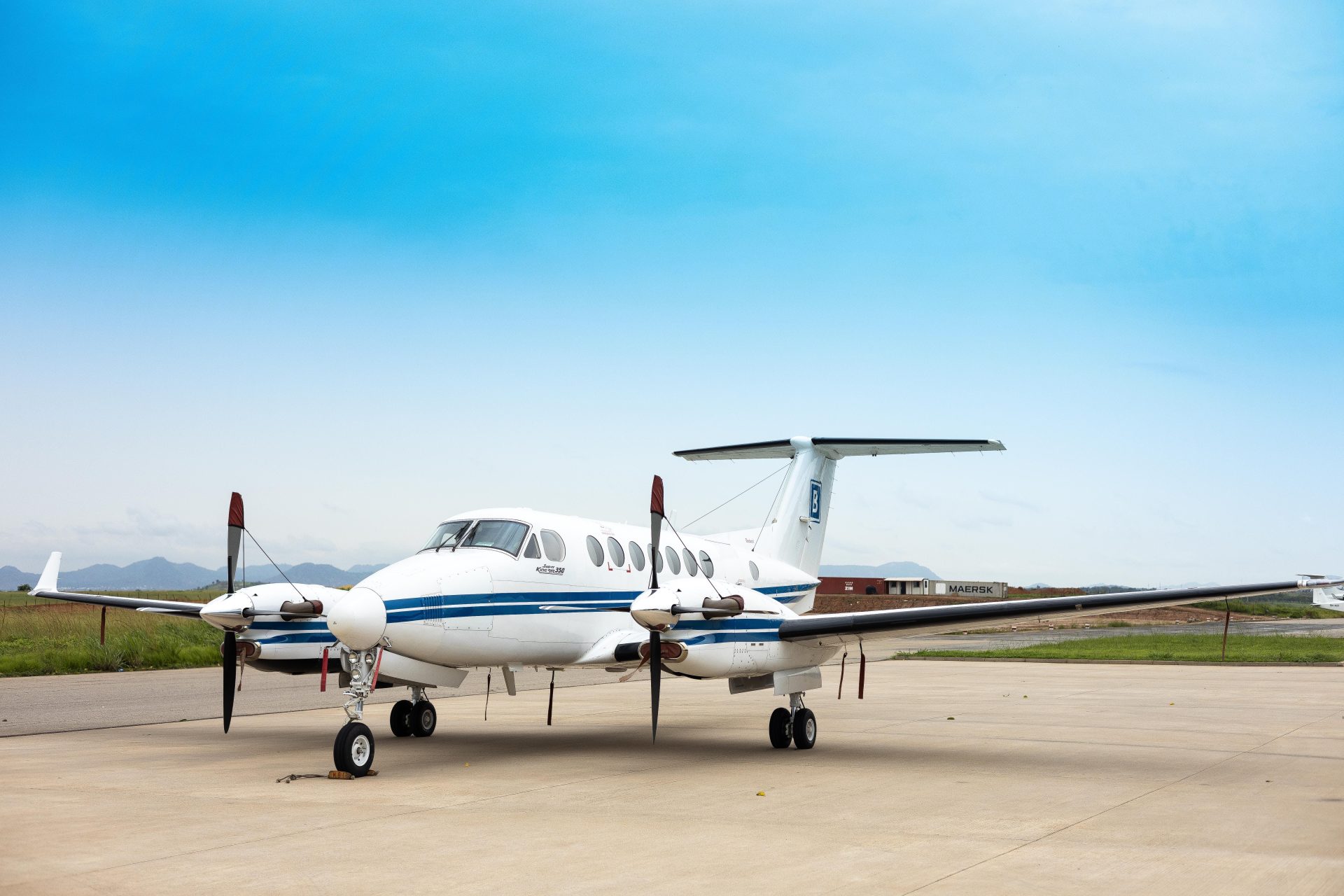
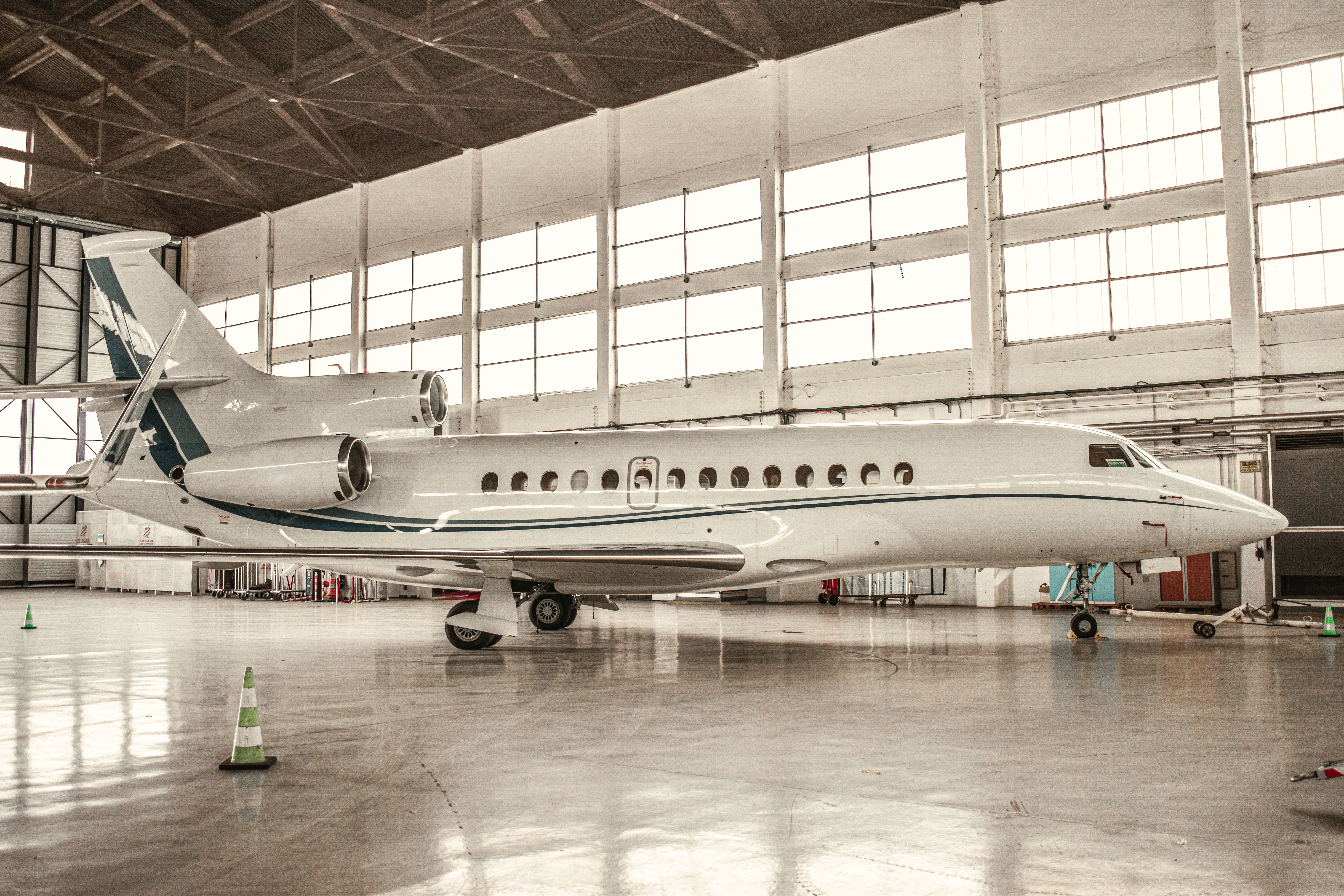
The type of aircraft you board will depend on your trip's requirements. Charter networks typically include a range of options, from smaller turboprops and light jets like the Beechcraft King Air series, to midsize aircraft such as the Bombardier Challenger 300 or Challenger 350, up to larger-cabin options like an Airbus ACJ319 or Boeing 737 BBJ for bigger groups. Whatever aircraft is arranged for your flight, your crew will handle the standard pre-flight safety briefing before departure.
Ground Transportation and Other Services
Many FBOs can help coordinate ground transportation to and from the terminal, and some offer additional conveniences such as conference rooms, pet relief areas, or catering coordination. These services vary widely by location, so it's a good idea to ask about what's available at your specific departure and arrival airports.
Arrival at Your Destination
The same general process happens in reverse when you land. You'll typically deplane directly onto the tarmac and walk into the FBO terminal, where ground transportation or further arrangements can be waiting for you. Because there's no baggage claim process shared with commercial passengers, checked luggage is usually brought directly to you or placed in your vehicle.
How Sky500 Fits Into the Picture
Sky500.com is an online travel service that connects travelers with a network of certified Part 135 charter operators, including access to discounted empty leg flights when available. It's important to understand that Sky500 itself does not own, operate, or maintain aircraft, and is not an air carrier or Part 135 operator. Instead, Sky500 acts as a resource to help travelers find and arrange flights with the appropriate licensed operators in its network.
There is no membership fee to use Sky500, and the network includes a variety of aircraft types to suit different trip sizes and distances, from turboprops like the Beechcraft King Air 350 to larger jets such as the Bombardier Global 5000 or Boeing 747, depending on route and availability.
If you're curious about what the FBO experience might look like for your own upcoming trip, or you want to learn more about how private charter arrangements work, you can reach Sky500 at 818-769-3535.
Final Thoughts
Flying private doesn't have to be mysterious or intimidating. At its core, the FBO experience is built around simplicity: less waiting, less navigating crowded terminals, and more direct access to your aircraft. Knowing what to expect ahead of time, from arrival to boarding to your final destination, can make the entire journey feel seamless.