If you've spent any time researching private jet travel, you've likely come across the term "FAA Part 135 operator." It appears on charter company websites, in booking confirmations, and in conversations with aviation professionals. But what does it actually mean, and why should travelers care about it? Understanding this certification is one of the most important steps in evaluating the safety and legitimacy of any charter flight.
The Basics: What Is Part 135?
Part 135 refers to a section of the Federal Aviation Regulations (FARs) that governs on-demand commercial air operations in the United States. Any company that wants to legally charter flights to paying passengers must operate under this certification, which is issued and overseen by the Federal Aviation Administration (FAA).
In simple terms, Part 135 certification is what separates a professional charter operation from an informal or unauthorized flight arrangement. It establishes a framework of rules covering how aircraft are maintained, how pilots are trained and scheduled, and how operational safety is managed on an ongoing basis.
Why the Certification Process Matters
Becoming a Part 135 certificate holder is not a quick or simple process. Operators must demonstrate to the FAA that they have the systems, personnel, and procedures in place to operate safely and consistently. This typically includes:
- Documented maintenance programs for every aircraft in the fleet
- Pilot training, qualification, and duty-time recordkeeping
- Operational control procedures, including weather and risk assessment protocols
- Ongoing oversight and inspections by the FAA
Because of this rigor, Part 135 certification is widely regarded as a meaningful indicator that an operator has invested in the infrastructure needed to run a safe, compliant charter business. It's one of several factors travelers can use to evaluate an operator, alongside the aircraft type, crew experience, and insurance coverage.
How This Applies to Private Jet Charter
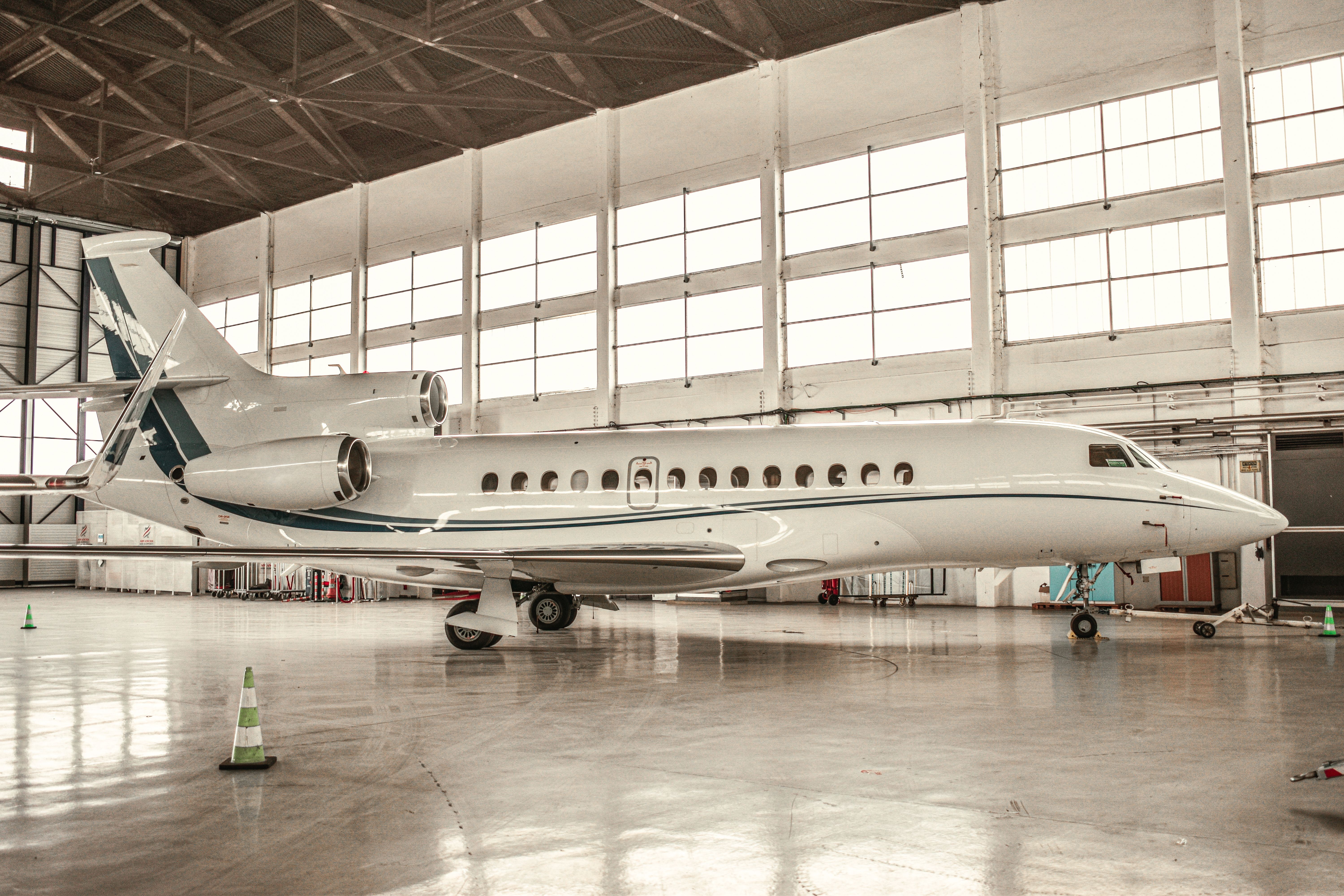
When you charter a private flight, the aircraft and crew are typically provided by a Part 135 certificate holder. These operators maintain and fly aircraft ranging from light piston aircraft to larger cabin jets, depending on their fleet and certification scope. For example, a network of Part 135 operators might include everything from turboprops like the Beechcraft King Air 350 to midsize jets like the Bombardier Challenger 350 or larger aircraft such as the Boeing 737 BBJ. The specific aircraft available on any given trip depends on the operator and what they have certified and maintained within their fleet.
It's worth noting that not every company involved in arranging your flight is itself a Part 135 operator. Some companies, often called brokers or online travel services, help travelers find and book flights but do not own, operate, or maintain aircraft themselves. This is an important distinction to understand.
Where Sky500 Fits In
Sky500.com is one such online travel service. We connect travelers with a network of FAA Part 135 certified charter operators, including access to discounted empty leg flights, which are repositioning flights offered at reduced availability windows. Sky500 does not own, operate, maintain, or charter its own aircraft, and it is not itself a direct or indirect air carrier or Part 135 operator. Our role is to help travelers find and connect with operators who hold that certification, making the search and booking process more straightforward.
There is no membership fee to use Sky500, and the network we work with includes operators flying a range of aircraft, from helicopters like the Airbus Helicopters AS350 A-Star to long-range jets like the Bombardier Global 5000. Because the aircraft actually flying your trip are operated by the Part 135 certificate holder, that operator is the party responsible for the safety oversight, maintenance, and regulatory compliance of the flight.
Questions Travelers Should Ask
When evaluating a private charter option, it's reasonable to ask some basic questions to understand who is actually operating your flight:
- Which company holds the Part 135 certificate for this flight?
- Is the aircraft owned and maintained by that certificate holder, or is it leased from elsewhere?
- What aircraft type will be used, and is it appropriate for the planned route and passenger count?
Asking these questions isn't about distrust, it's about being an informed traveler. Private aviation involves many moving parts, and understanding who holds regulatory responsibility for your flight helps you make a more confident decision.
The Bottom Line
FAA Part 135 certification represents a structured, FAA-overseen framework for commercial charter operations. It's a meaningful credential that reflects an operator's investment in maintenance programs, pilot training, and operational safety systems. As a traveler, knowing that your flight will be operated by a certified Part 135 operator is a useful piece of the puzzle when planning a private trip.
If you have questions about how charter flights work or want to learn more about connecting with Part 135 certified operators through Sky500's network, you can reach us at 818-769-3535. We're happy to walk you through how the process works and help you find options that fit your travel needs.