When most travelers think about private jet safety, they picture things like pilot training, aircraft maintenance, and regulatory certification. But there's another layer that works quietly in the background to support safe, accountable air travel: insurance. Understanding how insurance fits into the broader safety picture can help travelers make more informed decisions when chartering a private flight.
Why Insurance Matters in Private Aviation
Insurance in the charter industry isn't just a financial safety net — it's also a reflection of how seriously an operator takes risk management. Aircraft insurance underwriters typically require operators to meet rigorous standards before they'll extend coverage. This often includes reviewing a company's safety record, pilot qualifications, maintenance practices, and adherence to Federal Aviation Administration (FAA) regulations.
In other words, the process of securing and maintaining adequate insurance coverage can act as an additional layer of scrutiny on top of FAA oversight. Operators who want to keep their premiums reasonable and their coverage in force have a strong incentive to maintain high operational standards.
Part 135 Certification and Insurance Go Hand in Hand
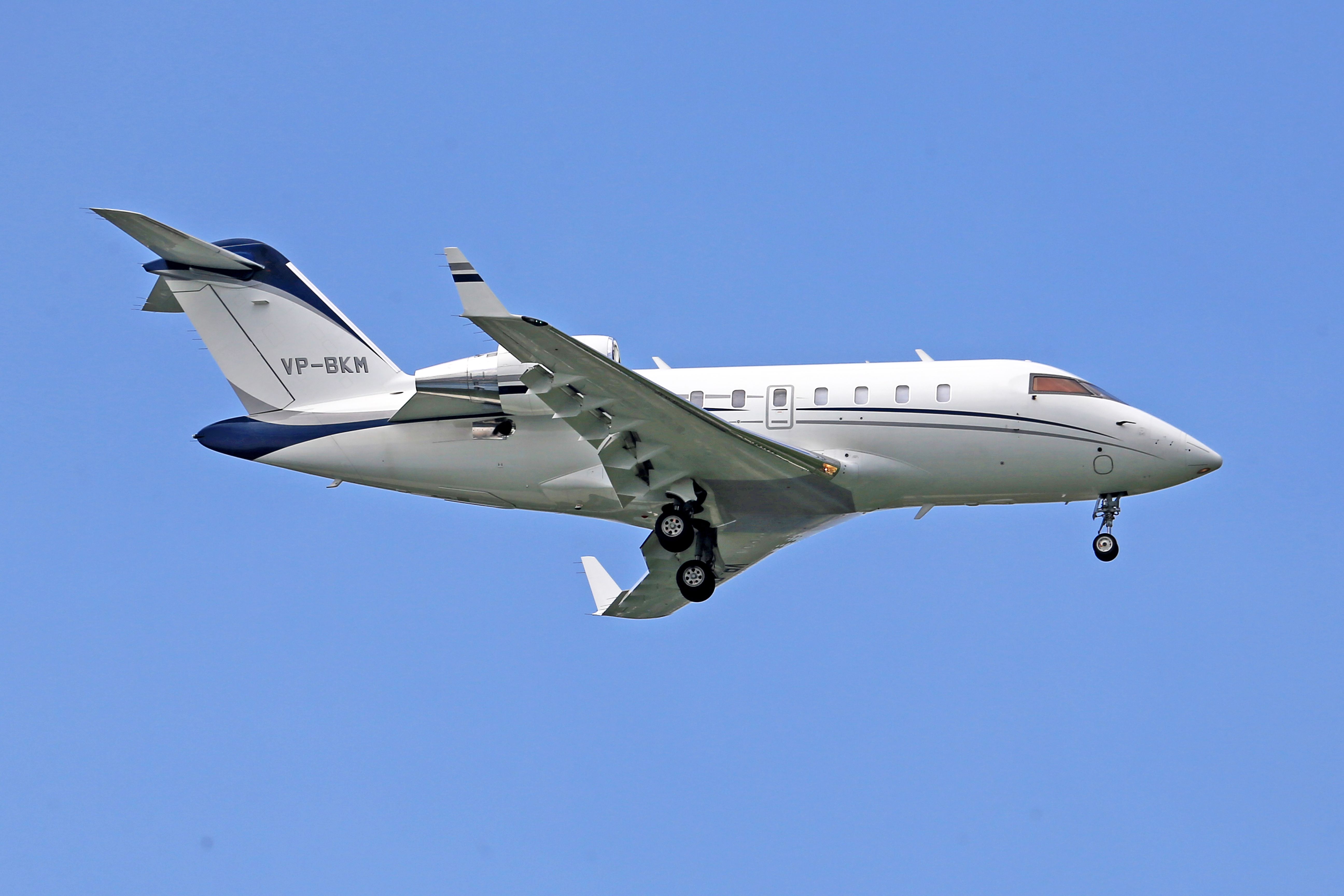
In the United States, charter flights are operated under Part 135 of the Federal Aviation Regulations, a certification that comes with its own set of requirements for pilot training, aircraft maintenance, and operational oversight. Part 135 operators are generally required to carry liability insurance, and the specifics of that coverage can vary based on the size and type of aircraft being flown, from light aircraft like a Beechcraft King Air to larger cabin jets such as a Bombardier Challenger 605 or even an airliner-sized Boeing 737 BBJ.
Because insurance carriers want to minimize their own risk exposure, they often take a close look at an operator's history and practices before issuing or renewing a policy. This creates a natural alignment between what insurers require and what safety-conscious travelers should be looking for: a track record of compliance, well-maintained aircraft, and properly trained flight crews.
What Travelers Should Understand About Charter Insurance
While passengers typically don't interact directly with an operator's insurance policy, it's worth understanding a few basics:
- Insurance is operator-specific. Each Part 135 certified operator carries its own insurance coverage, which is separate from any brokerage or booking platform involved in arranging the flight.
- Coverage requirements can vary by aircraft type. A helicopter like an Airbus Helicopters H145 may have different coverage considerations than a long-range jet such as a Bombardier Global 5000, reflecting differences in use case, passenger capacity, and operational complexity.
- Insurance reinforces — but doesn't replace — safety practices. Insurance is one piece of a larger safety framework that includes FAA certification, maintenance programs, and pilot training. It shouldn't be viewed as a substitute for those other elements, but rather as a complementary layer of accountability.
How This Fits Into Operator Vetting
For travelers who want to better understand the safety profile of a charter operator, insurance is one of several factors worth considering alongside certification status and operational history. A well-established Part 135 operator will typically maintain insurance coverage appropriate to their fleet and operations, whether that fleet includes smaller aircraft like a Beechcraft Bonanza or larger cabin aircraft like a Challenger 350.
This is part of why working with a network of vetted operators can simplify the process for travelers. Rather than researching insurance details and certification status for every individual operator, travelers can rely on a platform that connects them with charter companies that already meet Part 135 certification standards.
Sky500's Role in Connecting Travelers with Certified Operators
Sky500.com is an online travel service that connects travelers with a network of certified Part 135 charter operators for private jet flights, including discounted empty leg flights. It's important to note that Sky500 does not own, operate, maintain, or charter any aircraft itself, and is not a direct or indirect air carrier or Part 135 operator. Instead, Sky500 functions as a resource that helps travelers find and book flights with operators who hold the appropriate certifications.
The operators within Sky500's network fly a range of aircraft, from helicopters like the Bell 407 to midsize jets like the Beechcraft Beechjet 400, larger cabin aircraft like the Challenger 600 series, and even widebody options like the Boeing 747. Because these operators are certified under Part 135, they are subject to the regulatory and insurance-related standards that come with that certification.
Questions Worth Asking
If you're chartering a private flight and want to better understand the safety and insurance picture, consider asking the operator directly about:
- Their current Part 135 certification status
- General information about their liability insurance coverage
- Their aircraft maintenance and inspection practices
- Pilot training and experience requirements
A reputable operator should be able to speak to these topics in general terms, even if specific policy details remain confidential.
Final Thoughts
Insurance plays a meaningful, if often invisible, role in private charter safety. It works alongside FAA certification, maintenance standards, and crew training to create a framework of accountability that benefits everyone who steps onto a private aircraft. For travelers, understanding this piece of the puzzle — even at a high level — can add confidence to the booking process.
If you have questions about how Sky500 connects travelers with certified Part 135 operators, you can reach the Sky500 team at 818-769-3535. There is no membership fee to use Sky500, making it easy to explore options for your next trip.