When people think about booking a private jet, their attention often goes straight to the aircraft — the cabin layout, the range, the amenities. But one of the most important factors in any flight, charter or commercial, is who is sitting in the cockpit. Understanding how pilots are trained, certified, and experienced can help travelers feel more confident about the safety and professionalism behind every flight arranged through a certified charter operator.
Sky500.com is an online travel service that connects travelers with a network of certified Part 135 charter operators, making it easier to compare options for private jet flights, including discounted empty leg flights. Sky500 itself does not own, operate, maintain, or charter aircraft and is not a direct or indirect air carrier or Part 135 operator. That distinction matters here, because the pilots who actually fly these trips are employed, trained, and supervised by the operators themselves — not by Sky500. Still, having a general understanding of what goes into pilot qualification can help any traveler ask better questions and make informed decisions.
What It Takes to Become a Charter Pilot
Becoming a professional pilot capable of flying for a Part 135 charter operator is a long process that typically begins years before a pilot ever sits in the cockpit of a business jet. Pilots generally progress through a series of certificates and ratings, starting with a private pilot license and advancing through instrument, commercial, and multi-engine ratings. Many pilots build flight hours by working as flight instructors, conducting cargo flights, or flying smaller aircraft before moving into larger, more complex equipment.
Eventually, pilots aiming to fly for charter operators work toward an Airline Transport Pilot (ATP) certificate, which is widely regarded as the highest level of pilot certification. Along the way, pilots accumulate significant flight experience across different aircraft types, weather conditions, and operational environments. This progression is designed to ensure that by the time a pilot is flying passengers commercially, they have a deep and practical understanding of aircraft systems, decision-making, and risk management.
Type-Specific Training and Recurrent Training
Flying a private jet is not simply a matter of holding a general pilot certificate. Each aircraft type — whether a light jet, a midsize cabin aircraft, or a large-cabin jet — has its own systems, performance characteristics, and operating procedures. Pilots who fly charter aircraft typically complete type-specific training on the particular aircraft they operate, often through structured ground school and simulator sessions before they are authorized to fly that aircraft with passengers.
This training doesn't stop once a pilot is qualified. Recurrent training is a standard part of professional aviation, with pilots returning periodically to refresh their knowledge, practice emergency procedures, and demonstrate continued proficiency. This ongoing education helps ensure that pilots remain sharp and current, even if they've been flying the same aircraft type for years.
Part 135 Operational Standards
Part 135 refers to the section of federal aviation regulations that governs on-demand charter operations. Operators certified under Part 135 are subject to oversight regarding how they train, schedule, and manage their pilots, as well as how they maintain their aircraft. This regulatory framework is one of the reasons travelers often look specifically for Part 135 certified operators when booking charter flights, since it reflects a baseline of operational structure and accountability.
Because Sky500 works exclusively with a network of Part 135 certified operators, travelers using the platform are connecting with companies that operate within this regulatory structure. That said, the day-to-day specifics of pilot scheduling, training records, and experience minimums are managed by each individual operator, not by Sky500. Travelers who want more detail about a specific pilot's background or an operator's training program are encouraged to ask the operator directly — it's a reasonable and common question in private aviation.
Experience Across Different Aircraft
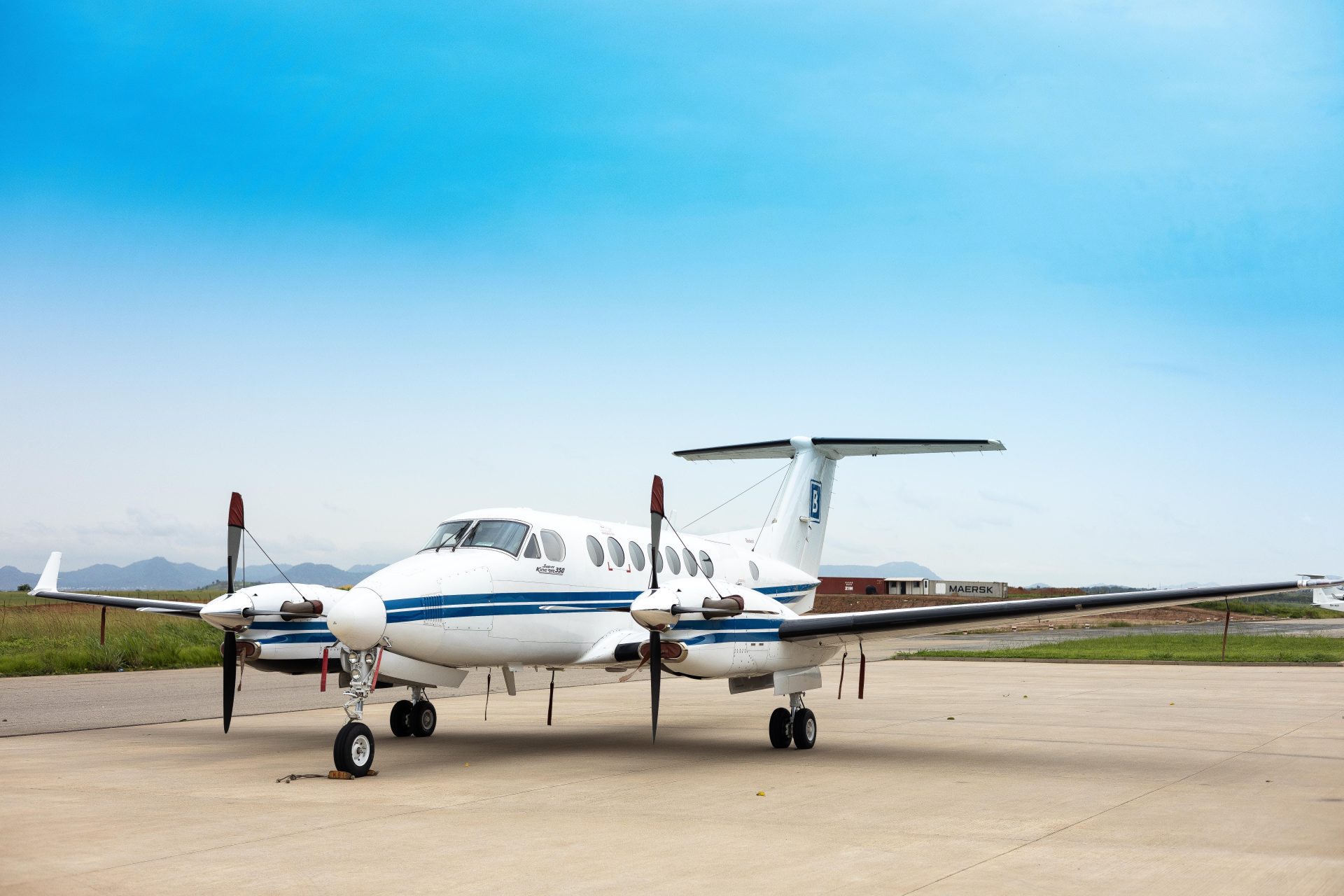
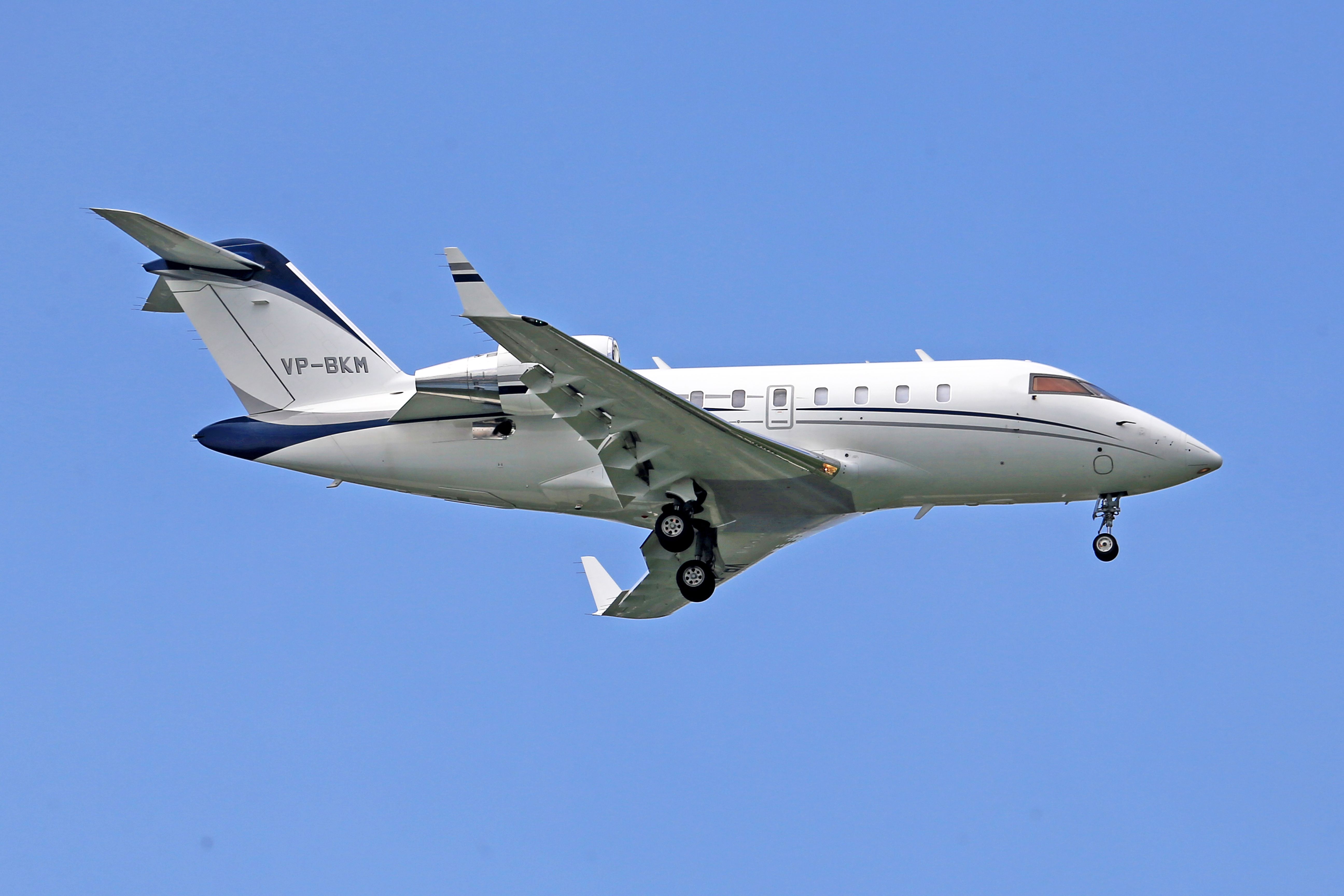
The charter world includes a wide range of aircraft, from light piston twins and turboprops to larger business jets. Pilots who fly smaller aircraft such as a Beechcraft Bonanza or a King Air often follow a different career trajectory than those flying larger jets like a Challenger 604 or an Airbus ACJ320. Larger, more complex aircraft typically require additional type ratings and often come with higher minimum experience expectations before a pilot is authorized to serve as captain.
This is part of why charter operators maintain structured crew pairing and scheduling systems — matching pilot qualifications to the specific aircraft and mission. Whether a flight involves a helicopter like an Airbus Helicopters H145 for a short regional trip or a larger jet such as a Boeing BBJ for a longer journey, the goal is the same: pairing qualified, current pilots with aircraft they are specifically trained and authorized to fly.
Why This Matters for Travelers
Most travelers booking a private flight are not aviation experts, and they shouldn't need to be. But having a general sense of how pilot training and certification works can be reassuring. It helps explain why charter flights involve specific aircraft-pilot pairings, why operators conduct recurrent training, and why regulatory oversight under Part 135 exists in the first place.
For travelers who want to learn more about the operators in Sky500's network or ask questions about how flights are crewed, reaching out directly is always an option. Sky500 can be contacted at 818-769-3535 to discuss available charter options, including empty leg flights, and to help connect travelers with the right Part 135 operator for their trip.
Ultimately, understanding pilot training and experience requirements is just one piece of being an informed private aviation traveler. Combined with knowledge about aircraft types, operator certification, and safety oversight, it helps build a fuller picture of what goes into every charter flight — long before the wheels ever leave the ground.