When people think about booking a private flight, they often focus on the aircraft itself — the cabin size, the range, or the amenities on board. But one of the most important factors in any flight, private or commercial, is who is flying the plane. Understanding pilot training and experience requirements can help travelers feel more informed and confident about the private aviation industry as a whole.
This article offers a general educational overview of how professional pilots are trained and certified in the United States, and how that framework applies to the charter operators that make up private aviation networks like Sky500.
The Path to Becoming a Professional Pilot
Becoming a commercial or charter pilot is a multi-year process that involves a series of certifications, each building on the last. Pilots typically begin with a private pilot certificate, which allows them to fly for personal purposes but not for compensation. From there, aspiring professional pilots pursue an instrument rating, which qualifies them to fly using instruments in a wider range of weather conditions.
The next major milestone is the commercial pilot certificate, which permits a pilot to be paid for flying services. Many pilots also earn a certified flight instructor (CFI) rating along the way, both to build flight hours and to help train the next generation of pilots.
The most advanced credential is the Airline Transport Pilot (ATP) certificate, which represents the highest level of pilot certification. Many charter operations require pilots in command to hold an ATP certificate, particularly for larger or more complex aircraft.
Type Ratings and Aircraft-Specific Training
Beyond general certifications, pilots must also earn a "type rating" for any aircraft above a certain weight threshold, or any turbojet aircraft, regardless of size. A type rating means the pilot has completed specialized training and testing on that specific aircraft model.
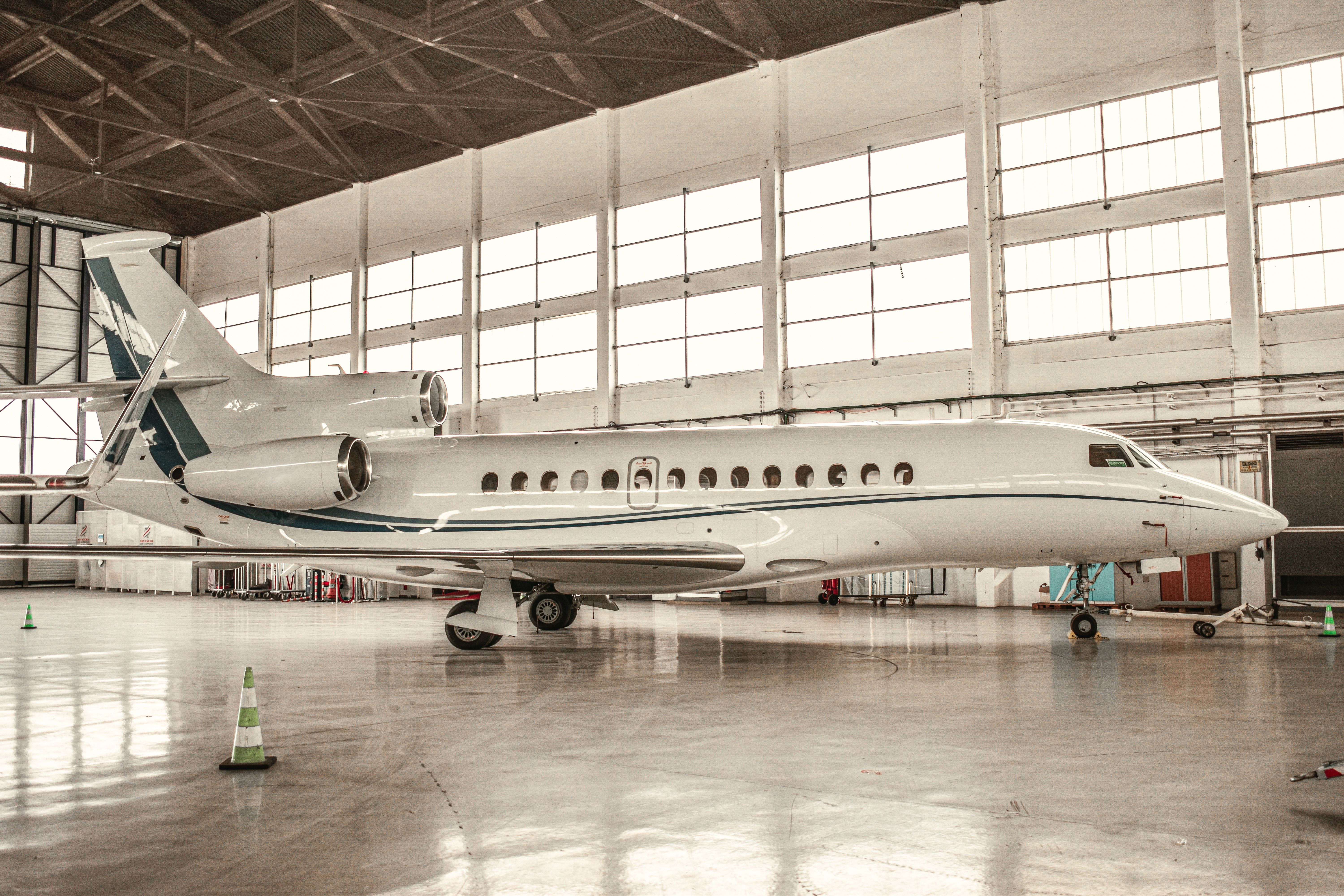
This is particularly relevant in the world of private jets, where aircraft vary widely in systems, handling characteristics, and performance. A pilot qualified to fly a light turboprop is not automatically qualified to fly a larger jet — additional training and testing are required for each aircraft type. Charter fleets can include a wide range of aircraft, from smaller cabin-class jets to larger long-range aircraft, and pilots must be specifically trained and rated for whichever aircraft they operate.
What Part 135 Requires
Charter flights in the United States are regulated under Federal Aviation Regulation Part 135, which governs on-demand air carrier operations. Part 135 certification is granted to operators — not brokers or booking services — and it comes with its own layer of requirements for pilot experience, training, and ongoing proficiency checks, in addition to the baseline FAA certificate requirements described above.
Because Part 135 operators are held to these regulatory standards, travelers booking through a network of certified operators are working with pilots who have met both general aviation certification requirements and the additional standards specific to on-demand charter operations.
Recurrent Training and Ongoing Proficiency
Pilot training doesn't end once a certificate or type rating is earned. Professional pilots undergo recurrent training on a regular basis to maintain their qualifications. This ongoing education covers emergency procedures, systems knowledge, and general proficiency, helping ensure that pilots remain sharp and current throughout their careers.
This is one of the reasons experience matters so much in aviation — a pilot's qualifications are not a one-time achievement but an ongoing commitment that continues for as long as they are flying professionally.
Why This Matters for Travelers
For travelers new to private aviation, it can be reassuring to understand that the pilots operating charter flights are subject to a well-defined structure of certification, aircraft-specific training, and regulatory oversight. Because Part 135 operators are certified and regulated, the process of vetting who sits in the cockpit is built into the framework of how charter flights operate.
This is part of why working with a certified operator matters. Sky500.com is an online travel service that connects travelers with a network of certified Part 135 charter operators, including access to discounted empty leg flights. Sky500 does not own, operate, or maintain aircraft, and is not itself an air carrier or Part 135 operator — instead, it helps travelers find and book flights with operators who already meet these regulatory and training standards.
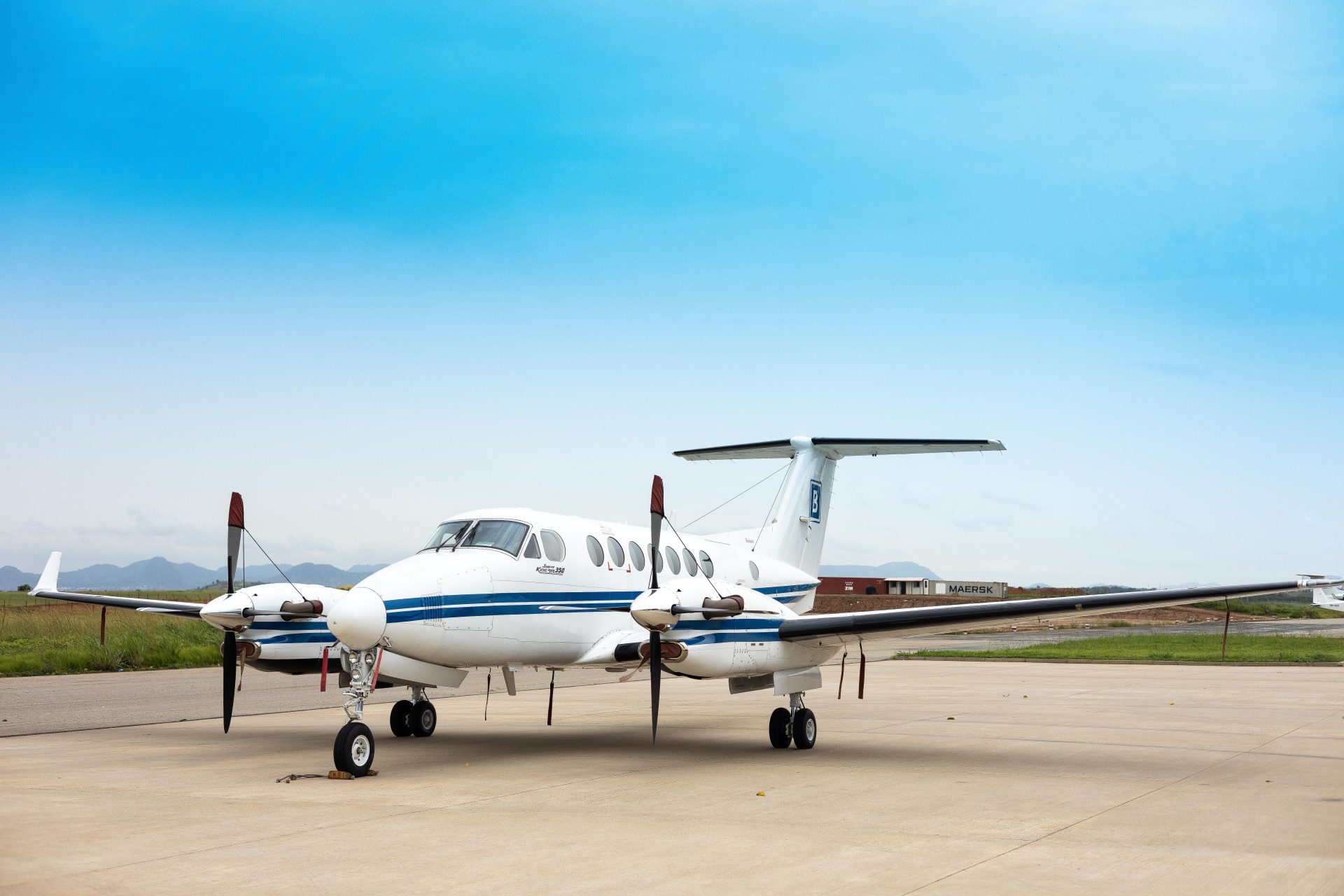
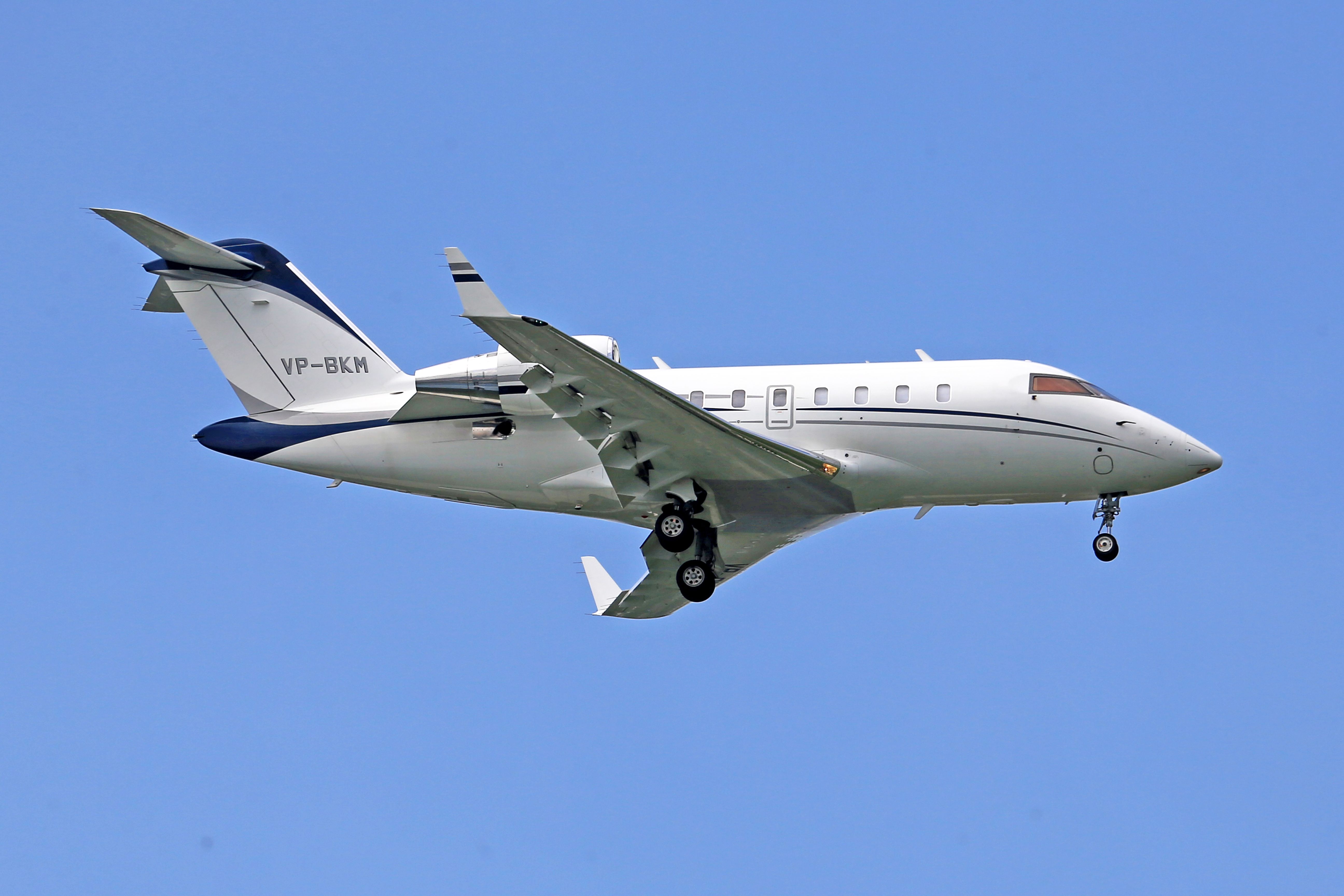
Depending on the trip, travelers might be matched with a range of aircraft through the network, from smaller cabin-class jets and turboprops — such as a Beechcraft King Air or Beechcraft Premier 1 — up to larger long-range aircraft like a Bombardier Challenger 605 or Global 5000. Regardless of aircraft type, the pilots operating these flights are required to hold the appropriate certifications and type ratings for the equipment they fly.
Questions to Ask
Travelers who want to learn more about the pilots or safety practices behind a particular charter flight can always ask questions before booking. Some travelers find it helpful to ask about:
- What certifications and type ratings the operator's pilots hold
- How often pilots complete recurrent training
- What safety audits or industry evaluations the operator participates in
Because Sky500 works with a network of Part 135 certified operators, these are exactly the kinds of questions travelers can raise as part of the booking process.
Final Thoughts
Pilot training and experience requirements form the backbone of aviation safety. From the earliest certificates to the ongoing recurrent training that continues throughout a professional pilot's career, the process is designed to ensure that whoever is in the cockpit is well prepared for the flight ahead. Understanding this framework can help travelers feel more confident and informed as they explore private aviation options.
To learn more about how Sky500 connects travelers with certified Part 135 operators, call 818-769-3535.