When you first request a quote for a private charter flight, the number you see is often described as the "base charter price." For many travelers new to private aviation, it can come as a surprise to learn that this base price doesn't always represent the entire cost of the trip. Understanding what else might factor into your final invoice can help you plan more confidently and avoid unexpected conversations at the end of your journey.
What Is the Base Charter Price?
The base charter price typically reflects the cost of the aircraft itself for the flight time booked. This is generally calculated using an hourly rate multiplied by the estimated flight time between your departure and arrival airports. Aircraft type plays a significant role here — a light jet will typically carry a different hourly rate than a larger cabin aircraft, and turboprops or helicopters will have their own pricing structures as well.
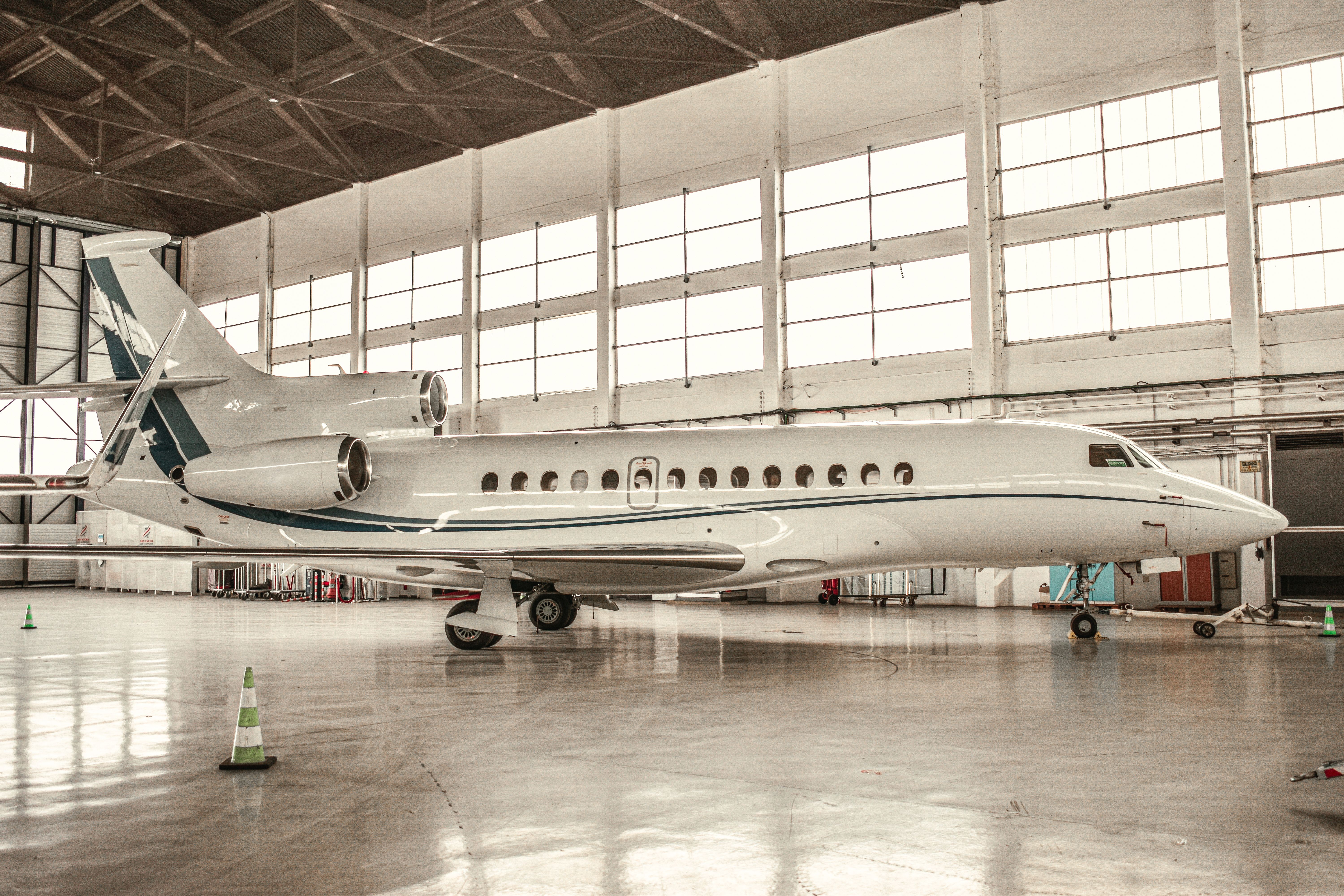
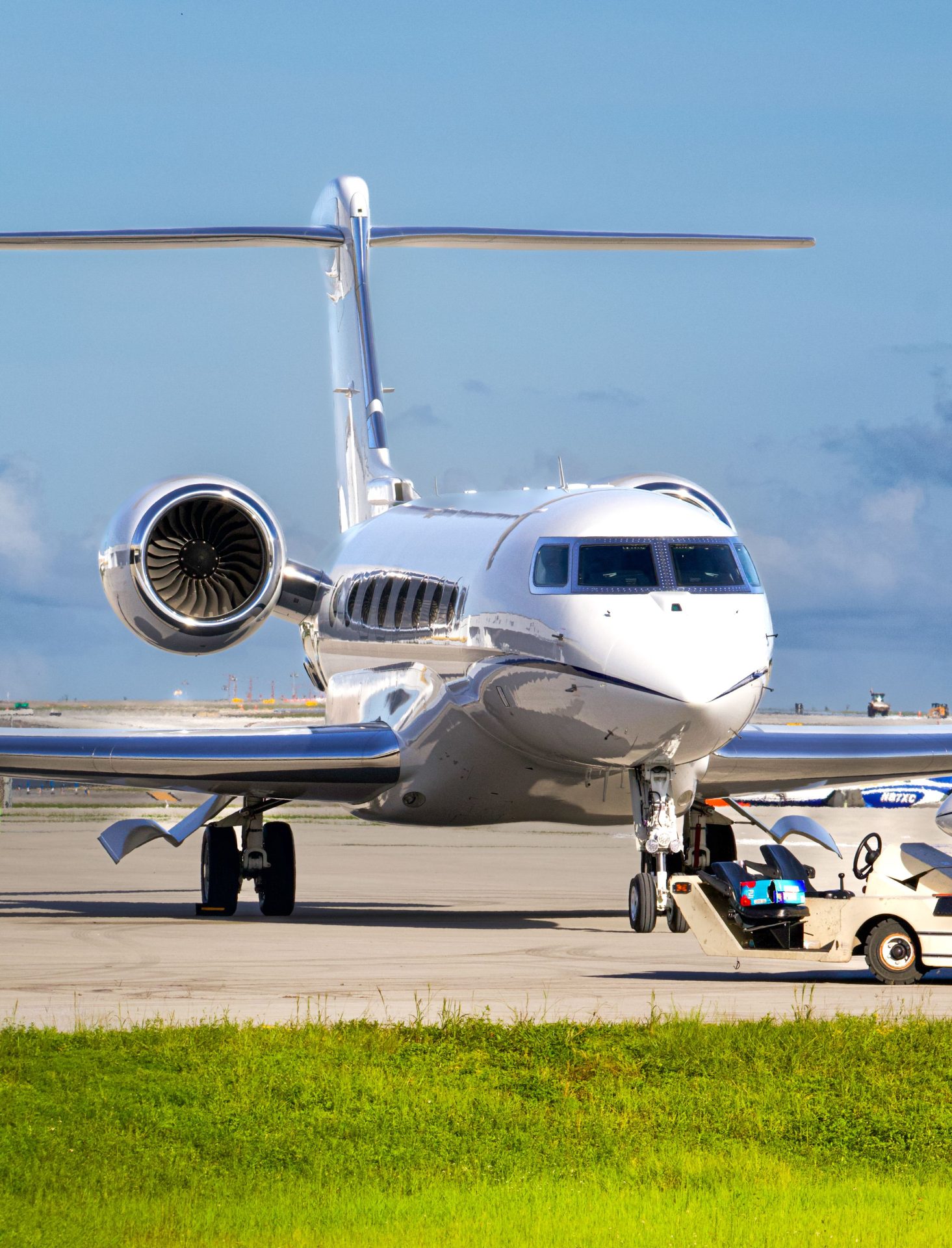
Because charter operators work with a wide range of aircraft — from turboprops like the Beechcraft King Air series, to light jets such as the Beechcraft Premier 1 or Bombardier Challenger 300, up to larger cabin aircraft like the Bombardier Global 5000 or airliner-sized options like the Boeing 737 BBJ — the base rate can vary considerably depending on which aircraft is assigned to your trip.
Common Additional Charges to Ask About
Beyond the base hourly rate, operators may itemize several other components into a full quote. While the specifics can differ from operator to operator, categories that travelers often encounter include:
- Positioning or repositioning costs. If the aircraft isn't already located at your departure airport, there may be a cost associated with flying it to you, and potentially flying it back afterward or to its next assignment.
- Fuel surcharges. Depending on the operator and route, fuel-related charges may be adjusted separately from the base hourly rate.
- Crew expenses. Overnight stays, meals, and other logistics for the flight crew can be built into a quote, particularly for longer trips or multi-day itineraries.
- Airport and landing fees. Certain airports charge landing, ramp, or handling fees that may be passed through to the traveler.
- Federal excise tax and other applicable taxes. Charter flights are often subject to federal excise tax on air transportation, which is typically calculated as part of the total.
- Catering and cabin services. If you request specific catering or in-flight amenities, these may be quoted as an add-on rather than included in the base rate.
- De-icing or seasonal weather-related charges. Depending on time of year and location, aircraft preparation costs can apply.
Not every trip will include every one of these items, and some operators bundle more of these costs into a single "all-in" quote than others. This is why it's worth asking directly what is and isn't included before booking.
Why Quotes Can Vary Between Operators
Because the charter industry includes a wide range of certified operators, each with its own aircraft, crew arrangements, and operating costs, two quotes for what looks like the same trip can differ. One operator might include repositioning in its quoted rate, while another lists it separately. Aircraft availability also plays a role — for example, a helicopter such as the Airbus Helicopters H145 or Bell 407 might be well suited for a shorter regional trip, while a super-midsize jet like the Bombardier Challenger 604 or Challenger 650 might be better suited to longer distances, and pricing structures for each category can look quite different.
This is one of the reasons it helps to work with a service that can present multiple options from different operators, so you can compare not just the bottom-line number, but what is actually included in that number.
Empty Leg Flights and Fee Considerations
Empty leg flights — repositioning flights that occur when an aircraft needs to travel to pick up its next passengers or return to its base after a trip — can offer a more efficient use of aircraft time. Because the aircraft is already scheduled to fly a particular route, some of the cost structure may look different compared to a fully custom charter. As with any trip, it's still worth confirming what fees, if any, apply so you have full clarity on the total cost before booking.
How Sky500 Can Help
Sky500.com is an online travel service that connects travelers with certified Part 135 charter operators, including access to discounted empty leg flights. Sky500 itself does not own, operate, or maintain aircraft, and it is not an air carrier or Part 135 operator — instead, it works as a resource to help you find and compare options from within its network of certified operators. There is no membership fee to use Sky500, so you're free to explore quotes and ask questions without any upfront commitment.
If you're planning a trip and want to better understand what's included in a charter quote, or you simply have questions about how pricing works for a specific route or aircraft type, reaching out directly is often the fastest way to get clarity. You can contact Sky500 at 818-769-3535 to discuss your travel plans and get help finding the right aircraft option through the Sky500 network of certified operators.
Understanding the full picture of charter costs — not just the base price — can make the entire booking process smoother and help you budget accurately for your trip from the very beginning.