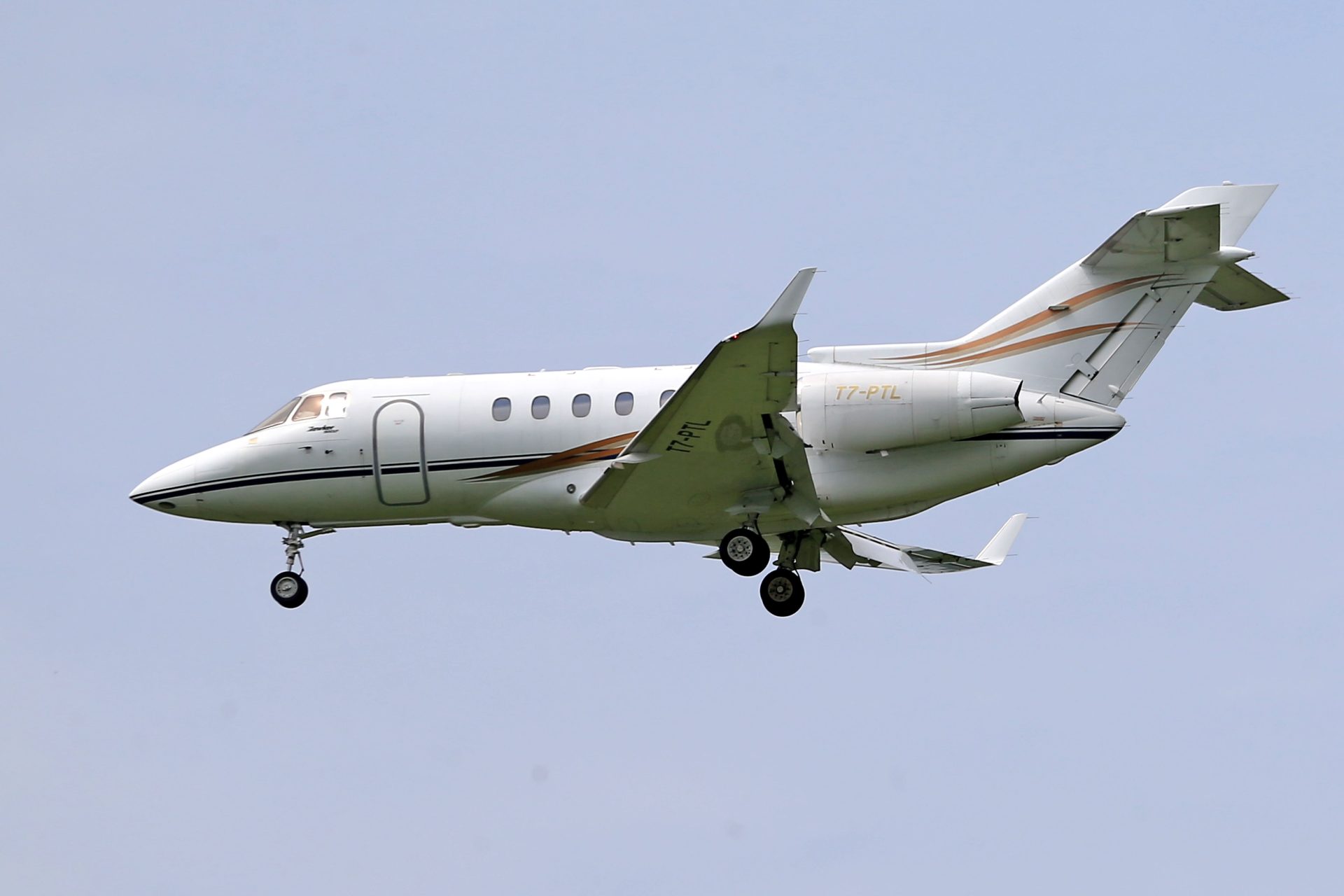
When people think about what drives the cost of a private jet charter, they usually picture aircraft size, cabin class, or distance flown. But one of the most overlooked factors is timing — specifically, when you book relative to when you want to fly. Understanding how booking timing interacts with charter pricing can help travelers make more informed decisions and explore more flexible options.
Why Timing Matters in Charter Aviation
Unlike commercial airlines, which sell seats on fixed schedules months in advance, private charter flights are arranged around the specific needs of each traveler and the availability of aircraft within an operator's fleet. Because every charter is essentially a custom-built trip, the amount of lead time available to plan it can influence which aircraft are realistically available, how routing can be optimized, and how much flexibility exists in matching a traveler's request to an operator's schedule.
This is different from retail price dynamics in other industries. There isn't a published fare chart that rises or falls on a fixed timeline. Instead, timing affects the logistics of putting a flight together — and logistics are closely tied to what's practical and cost-effective for the operator.
Booking Well in Advance
Planning a trip weeks or months ahead generally gives an operator more room to work with. There's more time to coordinate crew scheduling, aircraft positioning, and maintenance windows. For travelers with flexible dates or who are open to a range of aircraft types — from a light jet to something larger like a Bombardier Challenger series or an Airbus ACJ — advance planning can open up a wider set of possibilities to consider when requesting quotes.
Advance planning is also useful for group travel, multi-leg itineraries, or trips requiring a larger cabin, since those requests often benefit from more lead time to line up the right aircraft from a certified operator's fleet.
Booking on Short Notice
Private aviation is also well known for accommodating last-minute travel, which is part of its appeal for business travelers and those with changing schedules. However, booking close to departure can mean fewer aircraft options are readily available in a given market at that exact time. An operator may need to reposition an aircraft from another location, which can affect both pricing and total trip time.
On the other hand, short-notice booking is also where empty leg flights can come into play. These are flights where an aircraft needs to reposition after dropping off passengers, and rather than flying empty, the operator may offer that leg to another traveler. Sky500 works with its network of Part 135 certified operators to help connect travelers with these empty leg opportunities when they align with a traveler's desired route and timing. Because empty legs are tied to an aircraft's existing schedule, they tend to be most useful for travelers who have some flexibility around dates, times, or departure and arrival airports.
How Flexibility Plays a Role
Whether booking far in advance or close to departure, flexibility is often the common thread that affects what options are available. Travelers who can adjust their departure time by a few hours, consider a nearby airport, or remain open to different aircraft categories often have more opportunities to find a workable match within an operator's schedule. This is true whether you're booking a short regional hop on something like a Beechcraft King Air or a longer transcontinental trip on a midsize or heavy jet.
What Travelers Can Do
If you're considering a private charter, a few practical steps can help you understand your options regardless of timing:
- Reach out as early as possible once you know your travel dates, even if plans aren't finalized.
- Be clear about any flexibility you have with dates, times, or airports.
- Ask about empty leg availability if your schedule allows for some adjustment.
- Consider a range of aircraft types rather than focusing on just one model, since different aircraft in an operator's fleet may better fit different timing scenarios.
It's also worth remembering that every charter flight is arranged through a certified Part 135 operator. Sky500.com is an online travel service that connects travelers with these operators — Sky500 itself does not own, operate, or maintain aircraft, and is not an air carrier. This means that the specific aircraft, crew, and operational decisions behind any flight are always handled by the certified operator fulfilling the trip.
Putting It All Together
Booking timing doesn't operate in a vacuum — it interacts with route, aircraft type, and traveler flexibility to shape what's realistically available for a given trip. Planning ahead can widen your options, while last-minute flexibility can sometimes open the door to empty leg opportunities. Either way, understanding this relationship can help set realistic expectations as you explore private charter travel.
There is no membership fee to use Sky500, and travelers can reach out to discuss their timing and travel needs directly. For questions about how timing might affect your next trip, you can contact Sky500 at 818-769-3535.