When most people start researching private jet travel, the first number they notice is the hourly charter rate. It's a useful starting point for comparison, but it rarely tells the whole story. Like many travel services, private aviation pricing is built from several components, and understanding them ahead of time can help you avoid surprises and make better decisions when comparing quotes.
Here's a breakdown of the most common categories of fees that can appear alongside the base charter price, and why they exist.
1. Repositioning (or "Ferry") Costs
Private aircraft aren't always sitting at the airport closest to you. If the nearest available aircraft is based somewhere else, the operator may need to fly it to your departure airport before your trip even begins — and sometimes fly it back afterward, or to its next assignment. This is known as a repositioning or ferry leg, and depending on the operator and routing, it can be built into the quoted price or itemized separately. Asking whether a quote already includes repositioning is one of the simplest ways to understand what you're really paying for.
2. Airport and Landing Fees
Airports charge fees for aircraft to land, park, and use ground facilities. These vary widely depending on the airport, the time of day, and whether the facility caters primarily to commercial or private traffic. Busier or more congested airports, as well as international destinations, often carry higher fees than smaller regional airports.
3. Fuel Surcharges
Fuel costs can fluctuate, and some operators build a variable fuel surcharge into their pricing rather than locking in a flat rate. This helps account for changes in fuel prices between the time of booking and the time of the flight, particularly for trips booked further in advance.
4. Crew Expenses
For longer trips, or trips that require the crew to stay overnight away from their home base, operators may include crew accommodations and per diem expenses in the final cost. This is more common on multi-day itineraries or longer-range flights where the crew can't simply fly home the same day.
5. Catering and Ground Transportation
If you'd like catering on board, it's typically quoted and charged separately from the flight itself. The same goes for ground transportation arranged on your behalf, such as a car to meet you at the airport. These are optional add-ons rather than automatic charges, so they should only appear on your invoice if you've requested them.
6. De-Icing and Weather-Related Fees
In colder climates or winter months, aircraft may require de-icing before departure. This is a safety procedure, not an optional service, and the cost can vary depending on the aircraft size and the severity of conditions.
7. Taxes
As with most forms of travel, applicable federal and local taxes may apply to charter flights. These are generally calculated based on the flight itself and are separate from the operator's base hourly rate.
8. Aircraft-Specific Variables
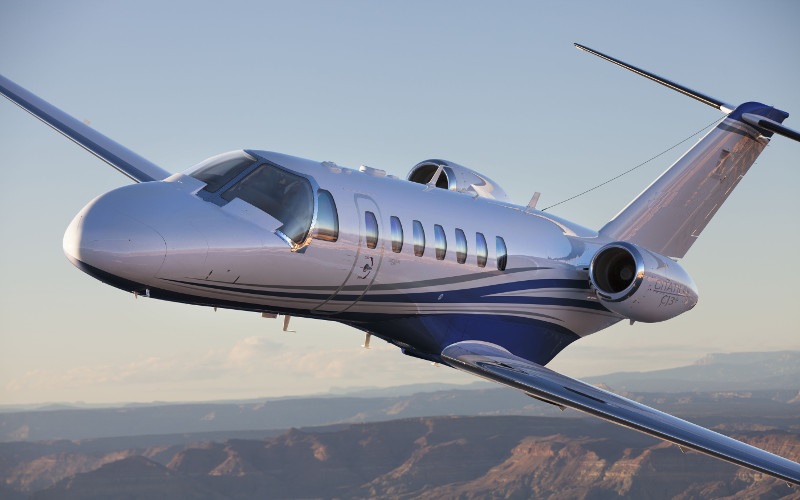
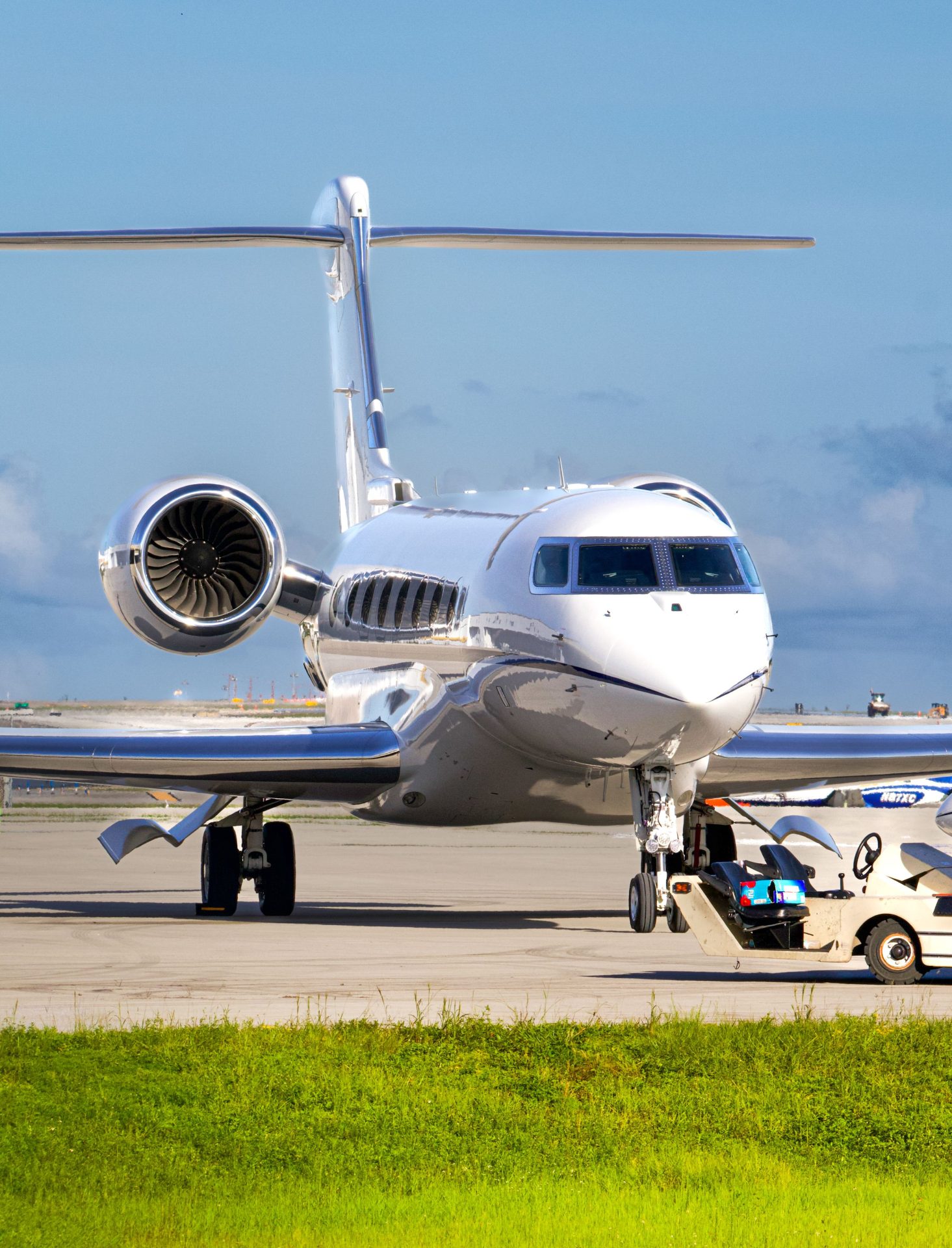
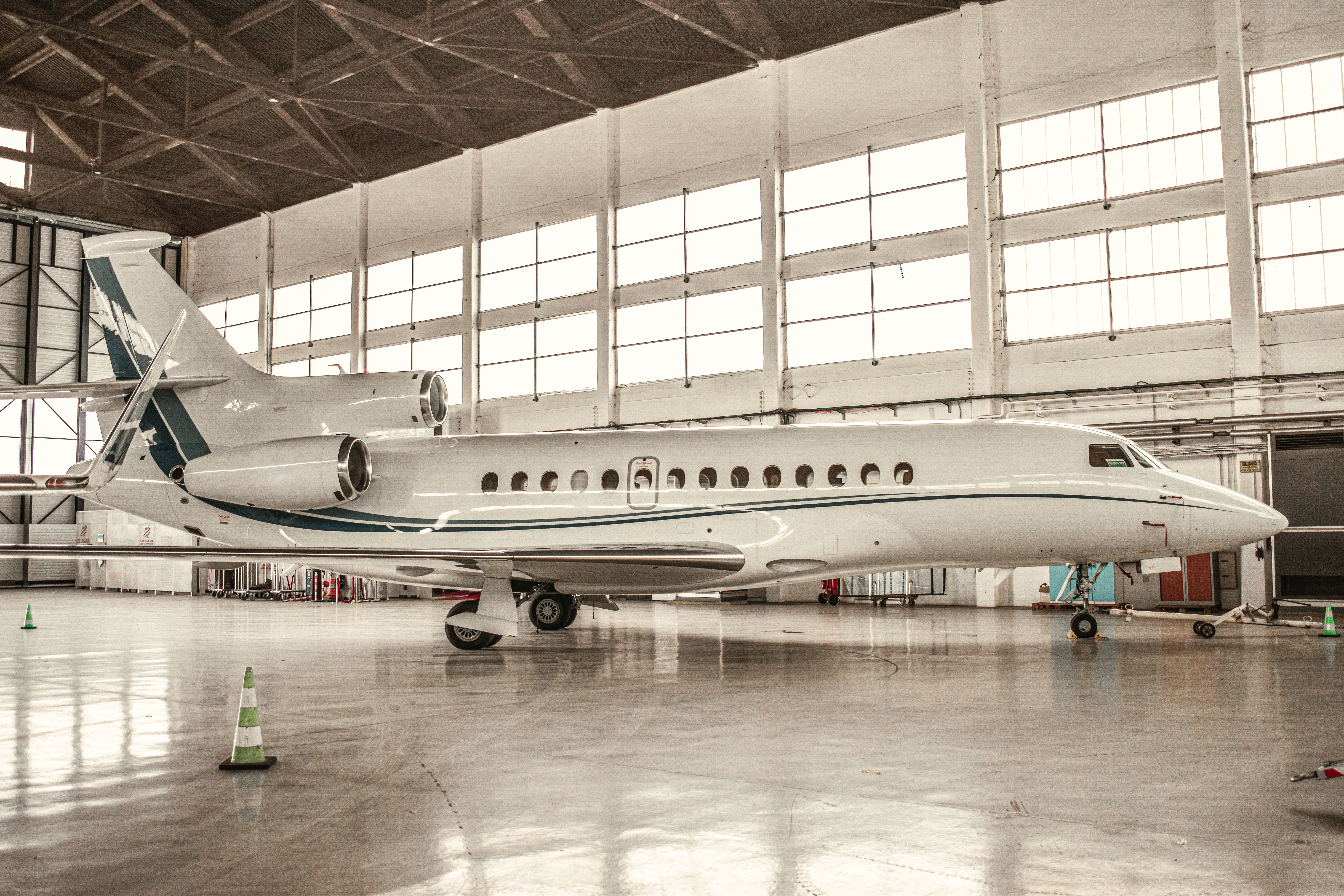
The type of aircraft used for your trip also affects the overall cost structure. A turboprop such as a Beechcraft King Air will have a different cost profile than a larger cabin aircraft like a Bombardier Challenger 650, or a widebody option such as a Boeing 737 BBJ. Larger aircraft generally involve higher fuel burn, different crew requirements, and different airport handling needs, all of which can influence the final price beyond the base hourly rate.
Why Transparency Matters When Comparing Quotes
Because charter pricing involves multiple moving parts, two quotes that look similar at first glance might not be comparable once you factor in what's included. A lower hourly rate that excludes repositioning, fuel surcharges, or crew expenses may ultimately cost more than a slightly higher rate that bundles those items in.
This is one of the reasons it helps to work with a service that can walk you through a quote line by line and explain what's covered. Sky500.com is an online travel service that connects travelers with certified Part 135 charter operators, including access to discounted empty leg flights when schedules align. Sky500 itself does not own, operate, or maintain aircraft and is not a direct or indirect air carrier or Part 135 operator — instead, it works within a network of certified operators to help you find options that fit your trip, whether that's a light aircraft like a Beechcraft Bonanza for a short regional hop or a larger cabin jet like a Challenger 300 for a longer journey.
A Few Questions Worth Asking
- Does this quote include repositioning, or is that billed separately?
- Are fuel surcharges fixed or variable?
- Will the crew need overnight accommodations for this itinerary?
- Are catering and ground transportation included, or are they add-ons?
- Do the listed taxes and airport fees reflect the specific airports on my route?
Asking these questions upfront — whether you're booking through a broker, directly with an operator, or comparing multiple options — can help you understand the full cost of your trip before you commit.
There's no membership fee to use Sky500, and the service is built around helping travelers compare options across a network of certified operators. If you have questions about how charter pricing works or want help understanding a quote, you can reach Sky500 at 818-769-3535.