One of the most common questions people ask when they first explore private aviation is why a one-way charter flight doesn't simply cost half of a round-trip. The answer has to do with how charter aircraft are positioned, scheduled, and operated by the certified operators who fly them. Understanding these basics can help travelers make more informed decisions when planning a trip.
Why Charter Pricing Isn't as Simple as Splitting a Round Trip in Half
Unlike commercial airlines, which fly fixed routes on repeating schedules regardless of who books a seat, charter aircraft are typically dispatched for a specific trip requested by a specific traveler. When you charter a private aircraft, you are generally paying for the use of that aircraft and crew for the duration of your itinerary, not just a seat on a flight that was already going to happen.
This distinction is the root of the pricing difference between one-way and round-trip charters. On a round trip, the aircraft flies to your destination and then flies back, with both legs built into the itinerary you're paying for. On a true one-way trip, the operator may need to reposition the aircraft afterward, known as a "deadhead" or "repositioning" flight, to get it back to its base or to its next assignment. That empty repositioning flight is a real operational cost for the operator, and it's often factored into the price of the one-way charter.
What Is a Repositioning or "Empty Leg" Flight?
When an aircraft has to fly without passengers to reposition itself, that flight is sometimes called an "empty leg." Empty legs happen for a variety of reasons: an aircraft drops off passengers at a destination and needs to return to its home base, or it's needed elsewhere for its next charter. Because the operator has to fly the aircraft either way, these repositioning flights are sometimes offered to travelers at a discount compared to a full one-way charter, since the flight is already going to happen regardless of whether a paying passenger is on board.
Sky500.com works with a network of Part 135 certified operators and helps connect travelers with these kinds of discounted empty leg flights when they're available. Because empty legs depend on operators' existing schedules, they're generally most useful for travelers with some flexibility in their travel dates and destinations, rather than a fixed itinerary that needs to be locked in far in advance.
Factors That Influence One-Way and Round-Trip Pricing
Several variables affect how a charter operator prices a trip, whether one-way or round-trip:
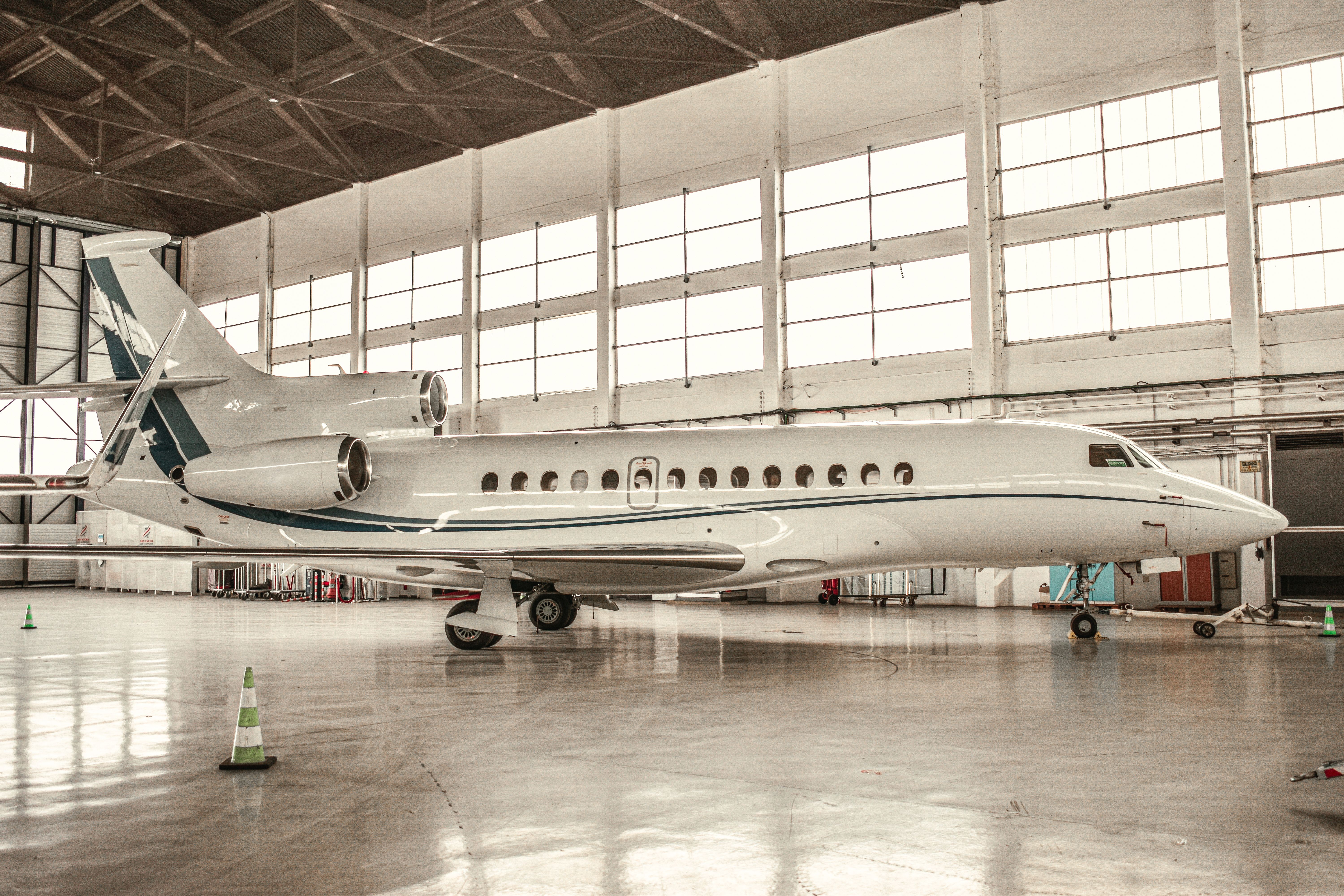
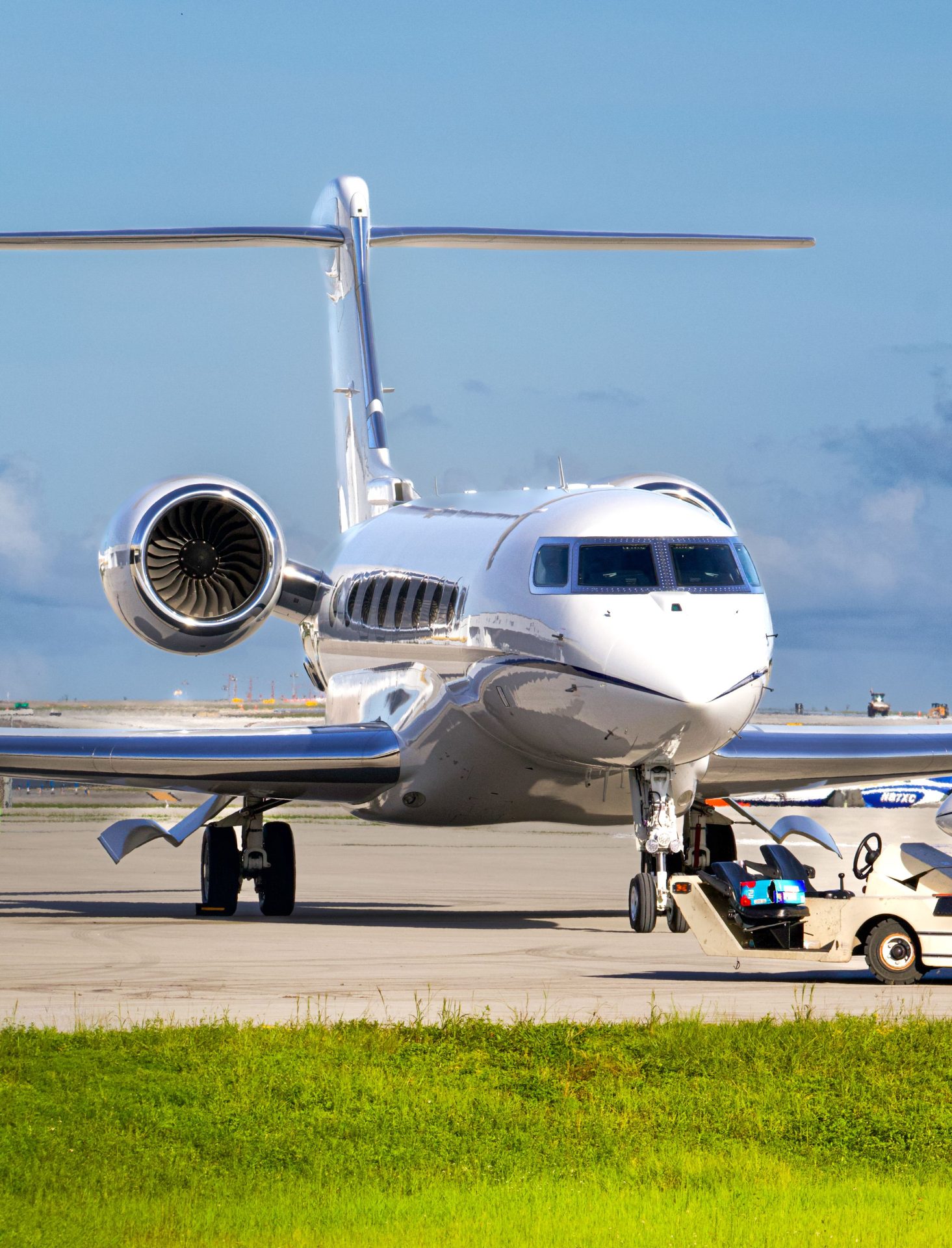
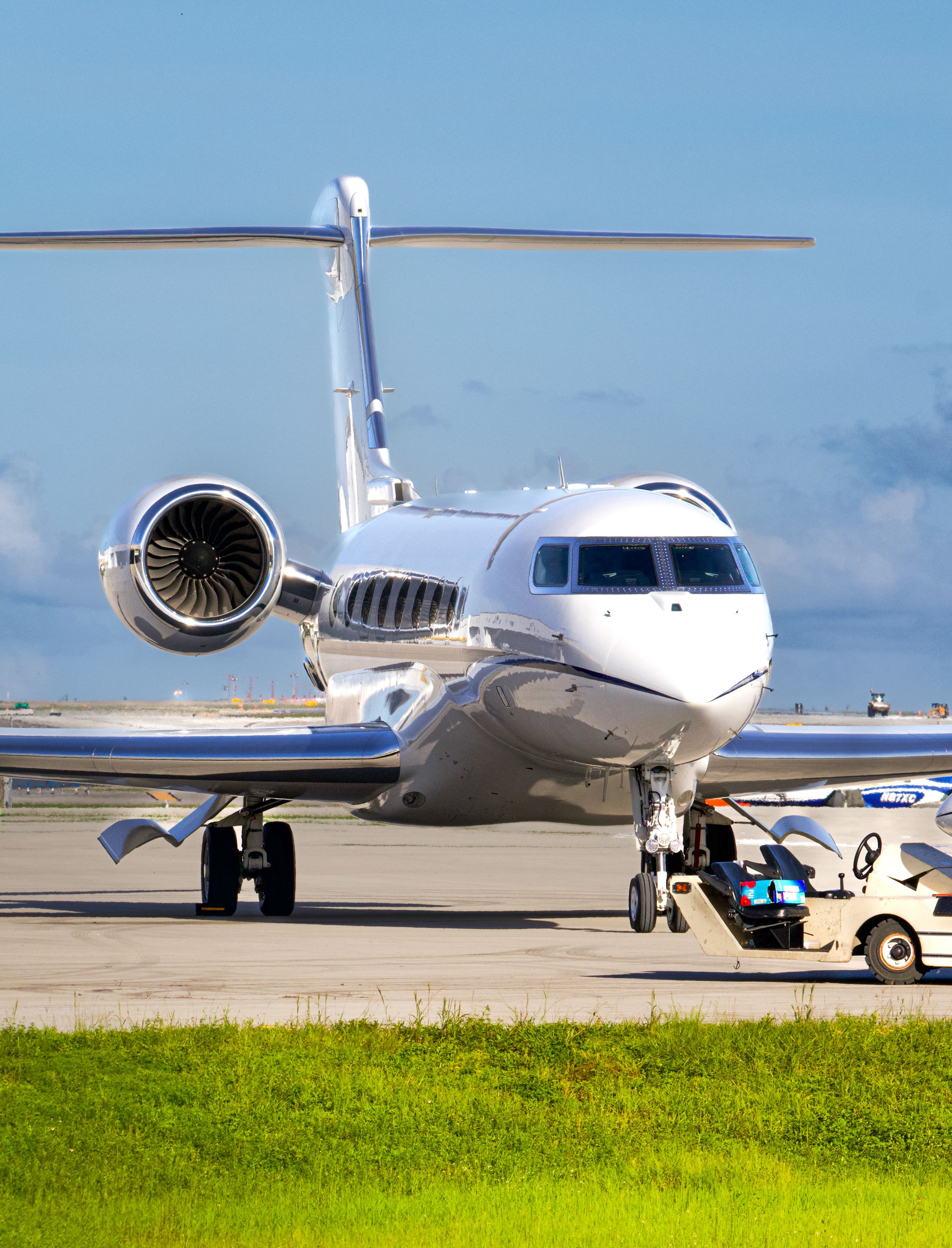
- Aircraft type: Charter aircraft range widely, from turboprops and light jets up to larger cabin aircraft. For example, the network Sky500 works with includes everything from a Beechcraft King Air 90 to a Bombardier Challenger 650, and larger aircraft such as an Airbus ACJ319 or a Boeing 737 BBJ. Different aircraft have different operating costs, which is reflected in charter pricing.
- Distance and flight time: Longer flights naturally involve more fuel, crew time, and operating costs.
- Repositioning needs: As discussed above, whether the aircraft needs to fly empty before or after your trip can affect the overall price.
- Operator availability and scheduling: Where an aircraft is based and what its schedule looks like around your requested dates can influence pricing and options.
- Round-trip efficiency: When an aircraft flies out and back for the same traveler, the operator doesn't need to reposition it separately, which can make the per-leg cost of a round trip more efficient than two separate one-way charters.
When a One-Way Charter Might Make Sense
Despite the potential added cost of repositioning, one-way charters remain a practical choice for many travelers. If you only need to travel in one direction, perhaps you're flying out for an extended stay, relocating, or one leg of your trip is being handled another way, a one-way charter avoids paying for return travel you don't plan to use. It's simply worth understanding that the price you see may reflect more than just the outbound flight itself.
When a Round-Trip Charter Might Make Sense
If you know your return dates in advance and both legs of your trip fall within a reasonable window, booking a round trip with the same aircraft can be a straightforward way to handle travel logistics in a single arrangement. Since the aircraft and crew already need to make the return journey, round-trip bookings can be a natural fit for business trips, family travel, or any itinerary with a defined start and end date.
How Sky500 Fits Into the Process
Sky500.com is an online travel service that connects travelers with certified Part 135 charter operators. It's important to note that Sky500 itself does not own, operate, or maintain any aircraft, and is not an air carrier or Part 135 operator. Instead, Sky500 helps travelers explore options across a network of operators, including access to discounted empty leg flights when they're available. There is no membership fee to use Sky500.
Because pricing for one-way and round-trip charters depends on the specific aircraft, route, and operator schedule involved, the most reliable way to understand your options for a particular trip is to speak with a member of the Sky500 team directly.
Questions About Your Next Trip?
Whether you're weighing a one-way flight, planning a round trip, or curious about empty leg availability, Sky500 can help connect you with certified operators who can walk you through your options. You can reach Sky500 at 818-769-3535 to discuss your travel plans.