If you've ever requested pricing for a private charter flight from more than one source, you've probably noticed something confusing: the numbers rarely match. One quote might be significantly higher or lower than another, even for what seems like the same trip. Understanding why these differences exist — and what to actually compare — can help you make a smarter, more informed decision.
Here's a practical guide to evaluating charter quotes so you're comparing apples to apples, not just bottom-line numbers.
Why Charter Quotes Vary in the First Place
Private charter pricing isn't standardized the way a commercial airline ticket is. Each quote reflects a specific aircraft, a specific operator's costs, and a specific set of assumptions about your trip. Differences can come from the type of aircraft offered, positioning costs (getting the plane to your departure airport), crew logistics, fuel surcharges, taxes, and additional fees like catering or de-icing.
This is one of the reasons working with a service like Sky500.com can be helpful. Sky500 connects travelers with a network of certified Part 135 charter operators, making it easier to see multiple options side by side rather than contacting operators one at a time. It's worth noting that Sky500 itself does not own, operate, or maintain aircraft — it's an online travel service that helps connect you with independent, certified operators who do.
Start With the Aircraft, Not Just the Price
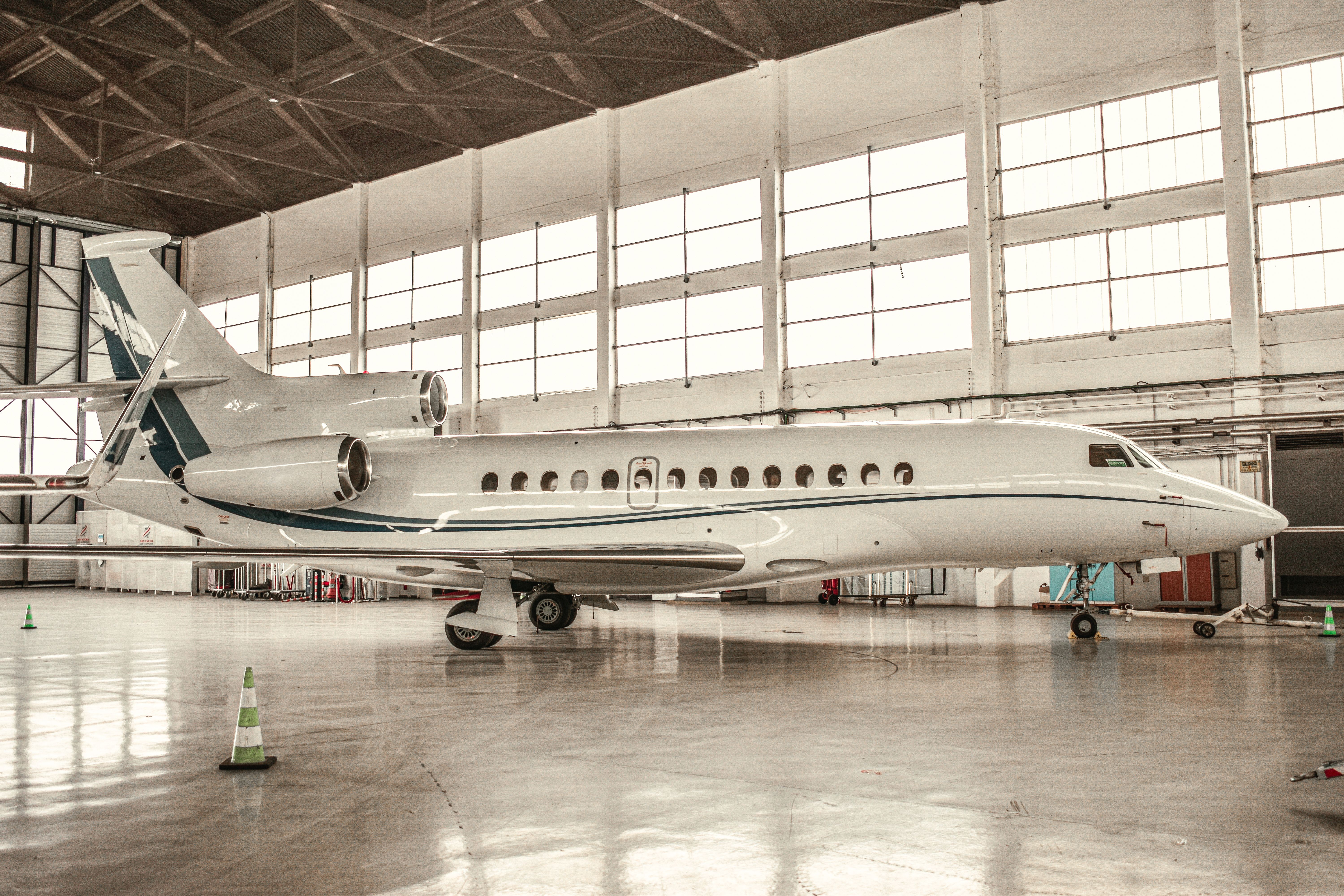
Before comparing dollar amounts, look at what aircraft is actually being quoted. A light jet, a midsize jet, and a large-cabin aircraft will have very different capabilities, cabin space, and per-hour costs. For example, aircraft available through Sky500's operator network range from smaller options like the Beechcraft King Air turboprops to larger cabin jets like the Bombardier Challenger series or even a Boeing BBJ for very large groups.
If two quotes list different aircraft types, they aren't really comparable until you factor in what each aircraft offers in terms of range, seating, and comfort. A lower price on a smaller aircraft may not actually meet your trip's needs.
Check What's Included — and What Isn't
Some operators build certain costs into a single all-in quote, while others break things out separately. When comparing quotes, look closely for:
- Fuel surcharges
- Landing and ramp fees
- Crew overnight expenses (if applicable for multi-day trips)
- Catering costs
- Federal excise tax and other applicable taxes
- De-icing or seasonal weather-related fees
A quote that looks cheaper at first glance may end up costing more once these items are added on top. Asking each operator directly whether their quote is "all-in" or itemized is a simple way to avoid surprises later.
Consider Positioning Costs
Aircraft aren't always based at your departure airport. If a plane needs to fly empty to reach you before your trip even begins, that positioning cost may be reflected in your quote. This is also why empty leg flights — one-way trips where an aircraft is already repositioning and has empty seats to fill — can sometimes offer more favorable pricing. Sky500 includes discounted empty leg options within its network, which can be worth asking about if your travel dates have some flexibility.
Look Beyond the Number: Operator Certification
Price isn't the only thing that matters. It's reasonable to ask basic questions about any operator you're considering, such as whether they hold FAA Part 135 certification. Sky500 works exclusively with certified Part 135 operators, which is a helpful starting point when narrowing down your options — though it's still worth understanding who is actually operating your flight, since Sky500 itself is not a direct or indirect air carrier.
Compare Flight Time and Routing, Too
Two quotes for the "same trip" might actually involve different routing or aircraft speeds, resulting in different flight times. A slightly higher hourly rate on a faster aircraft might actually get you to your destination sooner than a lower rate on a slower one. When time matters, factor this into your comparison rather than focusing solely on the total price.
Ask About Cancellation and Change Policies
Charter contracts often include specific terms around deposits, cancellations, and schedule changes. These policies can vary from one operator to another, so it's worth reading the fine print or simply asking directly. A quote that looks like the best deal upfront may come with less flexibility if your plans change.
Use a Simple Checklist When Comparing Quotes
- What aircraft type is being offered, and does it fit your trip's needs?
- Is the quote all-inclusive, or are there additional fees?
- Are positioning costs included?
- Is the operator Part 135 certified?
- What is the estimated flight time?
- What are the cancellation and change terms?
Going through this list for each quote you receive can help you see past the headline number and understand the real value each option represents.
Getting Help Comparing Options
Because charter pricing depends on so many variables, it can be time-consuming to gather and compare quotes from multiple operators on your own. Sky500.com is designed to simplify this process by connecting travelers with its network of certified Part 135 operators, including access to discounted empty leg flights, at no membership fee.
If you'd like help understanding your options for an upcoming trip, you can reach Sky500 at 818-769-3535 to discuss what's available through their operator network.
Comparing charter quotes carefully — looking at aircraft type, inclusions, certification, and flexibility — helps ensure you're making a decision based on real value, not just the number at the bottom of the page.>