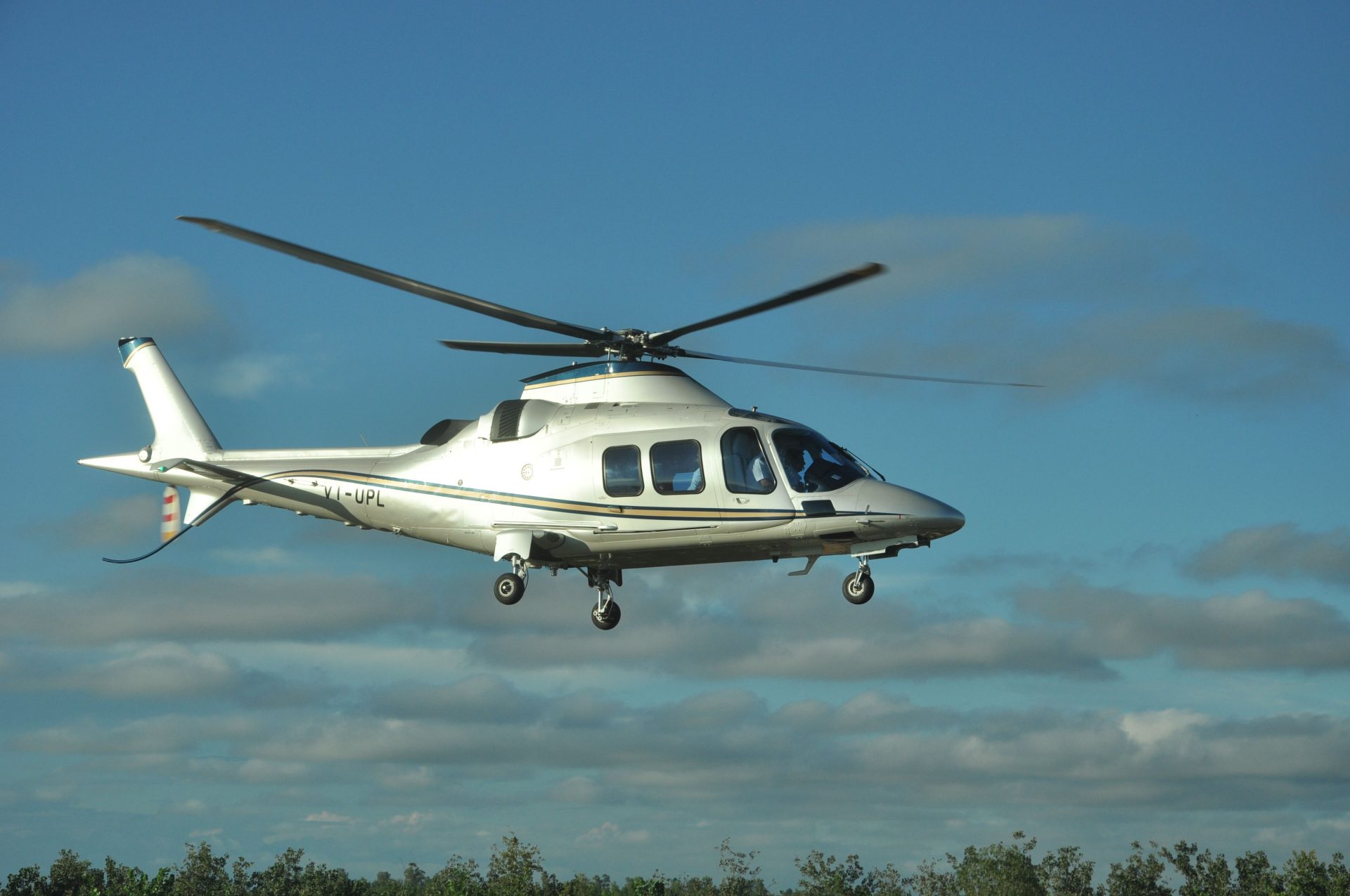
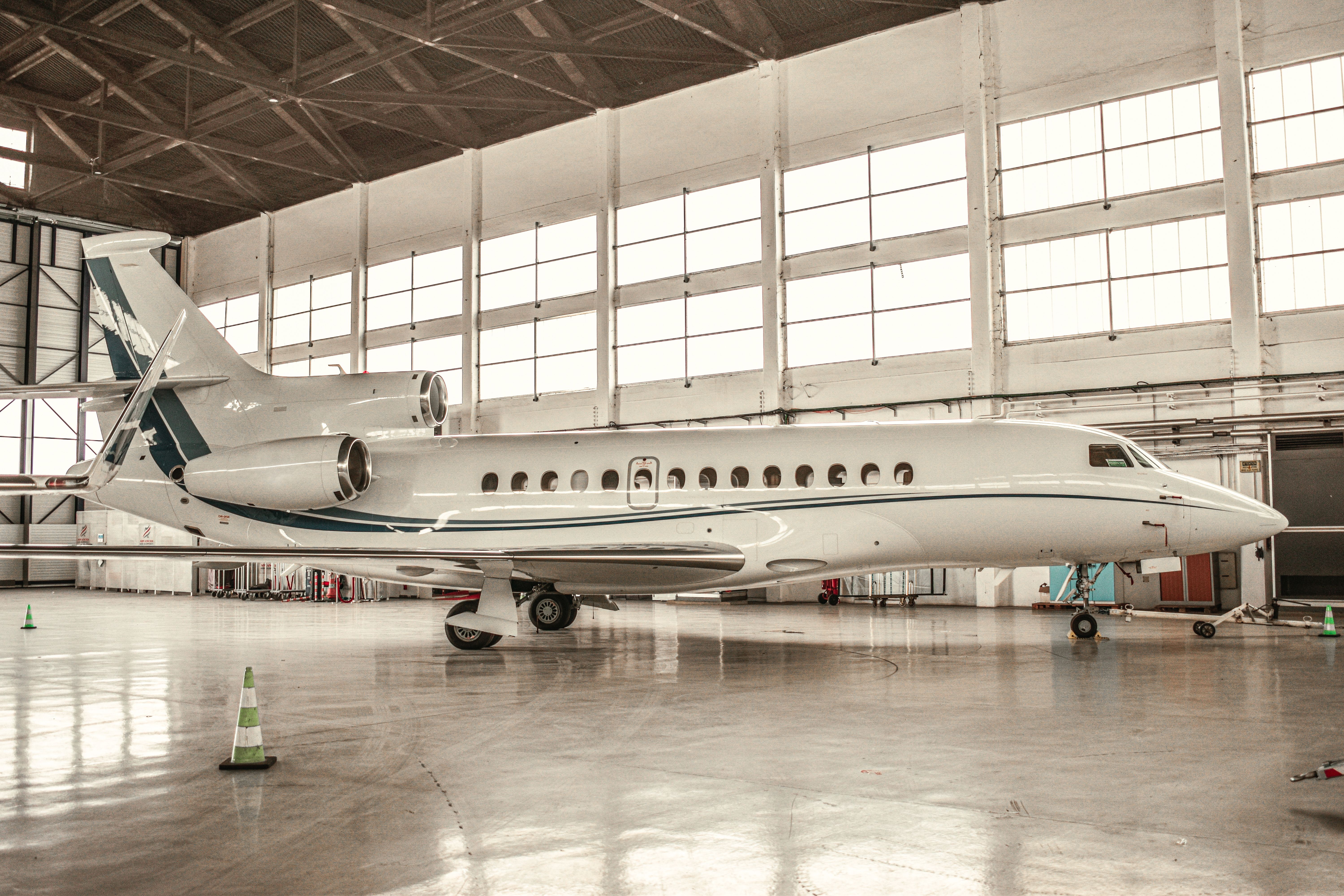
Private aviation offers a level of convenience, privacy, and flexibility that commercial travel simply can't match. But behind every smooth charter flight is a rigorous, often invisible, process of safety oversight. Understanding how charter safety audits work can help travelers make more informed decisions when booking a private flight, whether it's a scheduled trip or a discounted empty leg.
What Is a Charter Safety Audit?
A charter safety audit is a structured evaluation of an operator's compliance with aviation safety standards. These audits examine everything from aircraft maintenance records and pilot training to operational procedures and emergency preparedness. The goal is to confirm that an operator is consistently meeting the standards required to safely transport passengers.
In the United States, charter operators flying for hire must hold what's known as Part 135 certification, a designation issued by the Federal Aviation Administration (FAA). This certification sets requirements around pilot qualifications, aircraft maintenance, operational control, and recordkeeping. Audits help verify that an operator is actually living up to those requirements on an ongoing basis, not just at the moment of initial certification.
Who Conducts These Audits?
Safety audits in the charter industry typically come from a few different sources:
- Regulatory oversight: The FAA conducts its own inspections and surveillance of Part 135 operators as part of ongoing regulatory compliance.
- Independent safety auditing organizations: Several third-party organizations specialize in evaluating charter operators against established safety benchmarks, often going beyond the minimum regulatory requirements.
- Insurance providers: Insurers often require their own risk assessments before extending or renewing coverage, which adds another layer of scrutiny.
Together, these overlapping layers of review create a system where operators are regularly checked, not just when they first apply for certification.
What Do Auditors Actually Look At?
While the specifics vary by auditing body, most charter safety audits focus on a similar set of core areas:
- Pilot training and experience: Auditors review training records, recurrency training schedules, and flight hour logs to confirm pilots meet or exceed required standards.
- Aircraft maintenance: Maintenance logs are examined to ensure inspections, repairs, and parts replacements are documented and performed on schedule.
- Operational control procedures: This includes how an operator makes go/no-go decisions for weather, mechanical issues, and crew rest requirements.
- Safety management systems: Many operators implement structured safety management systems (SMS) that proactively identify and address potential risks before they become problems.
- Emergency response planning: Auditors often review how an operator is prepared to respond to in-flight emergencies or irregular operations.
Why This Matters for Travelers
For most travelers, the technical details of an audit aren't something they'll ever see directly. But the outcome of that process, a well-maintained aircraft, a properly trained crew, and a company with sound operational practices, directly affects the safety and reliability of every flight.
This is why working with a properly certified Part 135 operator matters so much. Whether you're chartering a light jet for a quick regional trip or a larger cabin aircraft for a longer journey, the operator behind that flight should be one that has gone through, and continues to go through, this kind of scrutiny.
How Sky500 Fits Into the Picture
Sky500.com is an online travel service that connects travelers with a network of certified Part 135 charter operators, including access to discounted empty leg flights. It's important to understand what that means in practice: Studio Jet, Inc. DBA Sky500.com does not own, operate, maintain, or charter its own aircraft, and it is not a direct or indirect air carrier or Part 135 operator itself. Instead, Sky500 serves as a connection point, helping travelers find operators within its network who hold the certifications required to legally and safely fly passengers.
Through this network, travelers can access a wide range of aircraft types depending on their trip needs, from turboprops like the Beechcraft King Air series, to midsize and super-midsize jets like the Bombardier Challenger 300 or Challenger 650, to larger cabin aircraft like the Airbus ACJ319 or Boeing 737 BBJ. The specific aircraft available for any given trip will depend on the operator and route, but the underlying principle remains the same: every operator in the network is expected to meet Part 135 certification standards.
There is no membership fee to use Sky500, making it a straightforward way to explore private charter options without upfront commitment.
Questions Worth Asking
If you're new to chartering a private flight, it's reasonable to ask questions about the safety background of the operator handling your trip. Some useful questions include:
- Is the operator Part 135 certified, and has that certification been independently reviewed recently?
- What safety management practices does the operator follow?
- How are pilot training and aircraft maintenance records tracked and verified?
A reputable charter operator should be able to speak to these topics in general terms, even if specific audit reports aren't typically shared publicly.
Final Thoughts
Charter safety audits exist to create a consistent, ongoing layer of accountability in private aviation. While travelers may never see the paperwork behind an audit, the process plays a critical role in ensuring that the operators flying passengers are doing so under rigorous, well-maintained standards.
If you're considering a private charter flight and want to learn more about how Sky500 connects travelers with certified Part 135 operators, you can reach the Sky500 team at 818-769-3535.