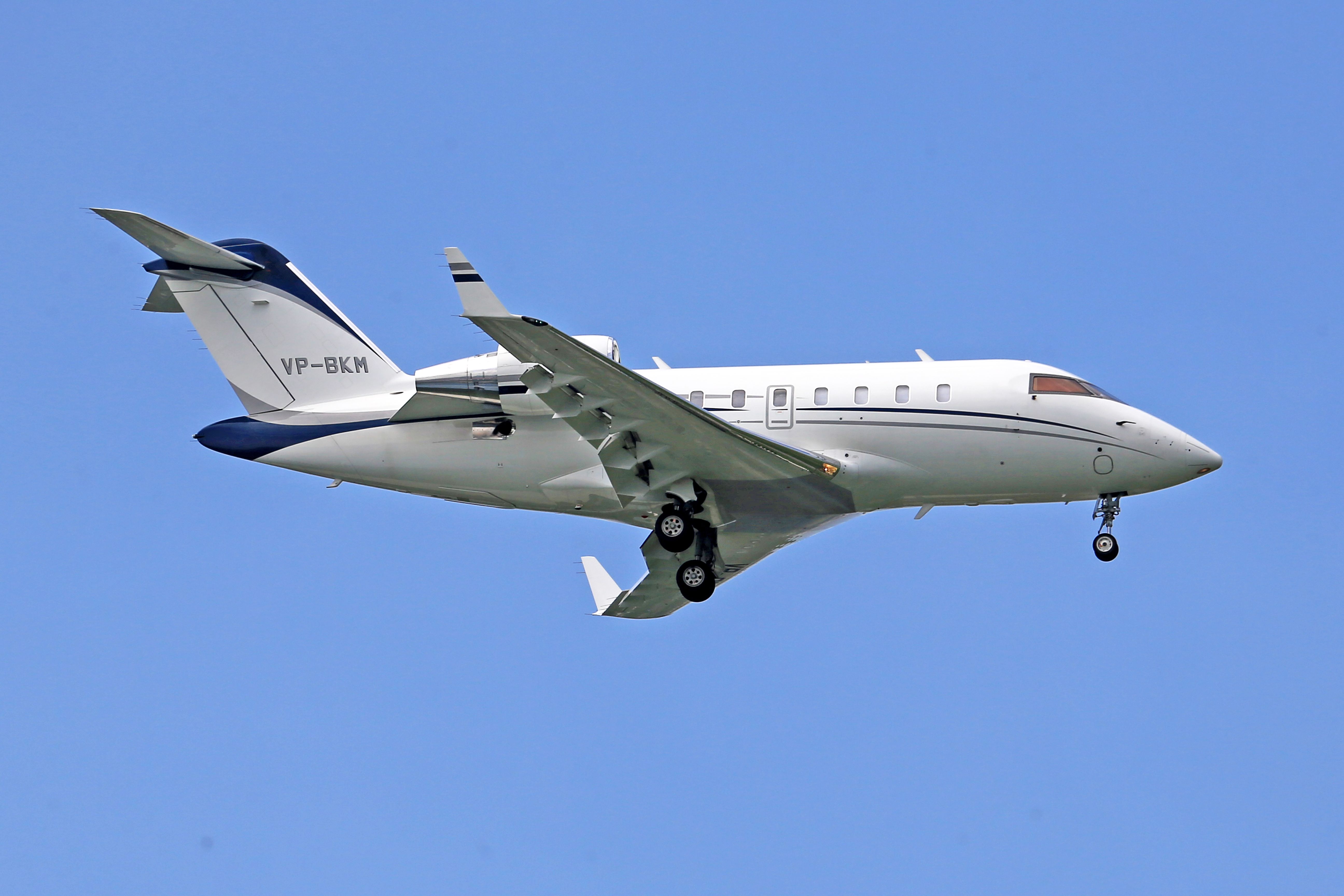
When people think about booking a private jet, they often picture the convenience: skipping long security lines, flying on a flexible schedule, and traveling in comfort. But behind every safe charter flight is a rigorous, ongoing process of operator vetting and safety auditing. Understanding how these audits work can help travelers feel more confident about who they're flying with — and why that vetting matters.
What Is a Part 135 Operator?
In the United States, companies that offer charter flights for hire must be certified under Federal Aviation Regulation Part 135. This certification process is designed to ensure that an operator meets specific standards for pilot training, aircraft maintenance, operational control, and recordkeeping. Earning and maintaining a Part 135 certificate is not a one-time achievement — it requires ongoing compliance and oversight.
Sky500.com connects travelers with a network of Part 135 certified operators, but it's important to understand that Sky500 itself does not own, operate, or maintain any aircraft. Sky500 is an online travel service, not a direct or indirect air carrier. This distinction matters because it clarifies who is responsible for the actual safety oversight of a flight: the certified operator, not the booking platform.
Layers of Safety Oversight
Charter safety isn't determined by a single checklist. Instead, it typically involves multiple layers of scrutiny that work together over time.
Regulatory Oversight
Part 135 operators are subject to ongoing oversight by aviation regulators, who review everything from pilot qualifications and training records to aircraft maintenance logs and operational procedures. This oversight doesn't end once a certificate is issued — it continues throughout the life of the operating certificate.
Third-Party Safety Audits
Beyond government oversight, many charter operators voluntarily participate in independent, third-party safety audit programs. These audits typically examine an operator's safety management systems, maintenance practices, pilot training programs, and internal safety culture. Because these audits are conducted by outside organizations, they add another layer of accountability beyond what any single operator reports about itself.
Insurance Requirements
Aviation insurers also play a role in the vetting ecosystem. Insurance carriers often require operators to meet certain safety benchmarks and maintain specific training and maintenance standards in order to be insured. This creates an additional financial incentive for operators to maintain strong safety practices.
What Auditors Typically Look At
While specific audit criteria can vary by program, most safety audits focus on a similar set of core areas:
- Pilot training and experience: Reviewing how pilots are trained, how often they receive recurrent training, and whether they meet experience thresholds for the aircraft they fly.
- Maintenance practices: Confirming that aircraft maintenance is performed according to manufacturer and regulatory requirements, with proper documentation.
- Safety management systems: Evaluating whether an operator has structured processes for identifying, reporting, and addressing potential safety risks before they become problems.
- Operational history: Looking at an operator's track record, including any incidents or regulatory findings.
- Internal safety culture: Assessing whether safety is prioritized at every level of the organization, from leadership down to ground crew.
Why This Matters for Travelers
Most travelers booking a private flight don't have the time or technical background to independently verify an operator's safety record. This is where working with a knowledgeable network becomes valuable. When you use a service like Sky500 to connect with operators, you're working within a network built around Part 135 certified companies — meaning the baseline regulatory certification has already been established.
That said, it's always reasonable for travelers to ask questions about an operator's safety practices, training programs, and audit history. A reputable charter operator should be able to speak clearly about how they approach safety, even if they can't share every detail of proprietary audit reports.
The Role of Aircraft Type in Safety Considerations
Different trips call for different aircraft, and the charter operators in Sky500's network operate a variety of aircraft types, from light and midsize jets to larger cabin aircraft and helicopters. For example, some operators may fly aircraft such as the Beechcraft King Air series, Bombardier Challenger family jets, or larger aircraft like the Boeing 737 BBJ, depending on the mission and route. Each aircraft type has its own maintenance and training requirements, all of which fall under the broader umbrella of Part 135 compliance and operator-specific safety programs.
An Ongoing Process, Not a One-Time Check
It's worth emphasizing that safety auditing in the charter world is not a single event. Operators are expected to maintain compliance continuously, which means training records are updated, maintenance schedules are followed on an ongoing basis, and safety management systems are regularly reviewed and refined. This continuous cycle is part of what distinguishes professional charter operations from ad hoc or informal flight arrangements.
How Sky500 Fits Into the Picture
Sky500.com exists to help travelers find and connect with Part 135 certified charter operators, including access to discounted empty leg flights. There is no membership fee to use Sky500's service. Because Sky500 works exclusively with certified operators, travelers can start their search knowing that a foundational layer of regulatory compliance is already part of the equation. From there, understanding how safety audits work can help travelers ask better questions and feel more informed about the flights they book.
If you have questions about how charter operators are vetted or want help finding a flight through Sky500's network, you can reach the team at 818-769-3535. Being an informed traveler is one of the best ways to feel confident about private aviation — and knowing how safety audits work is a meaningful part of that education.