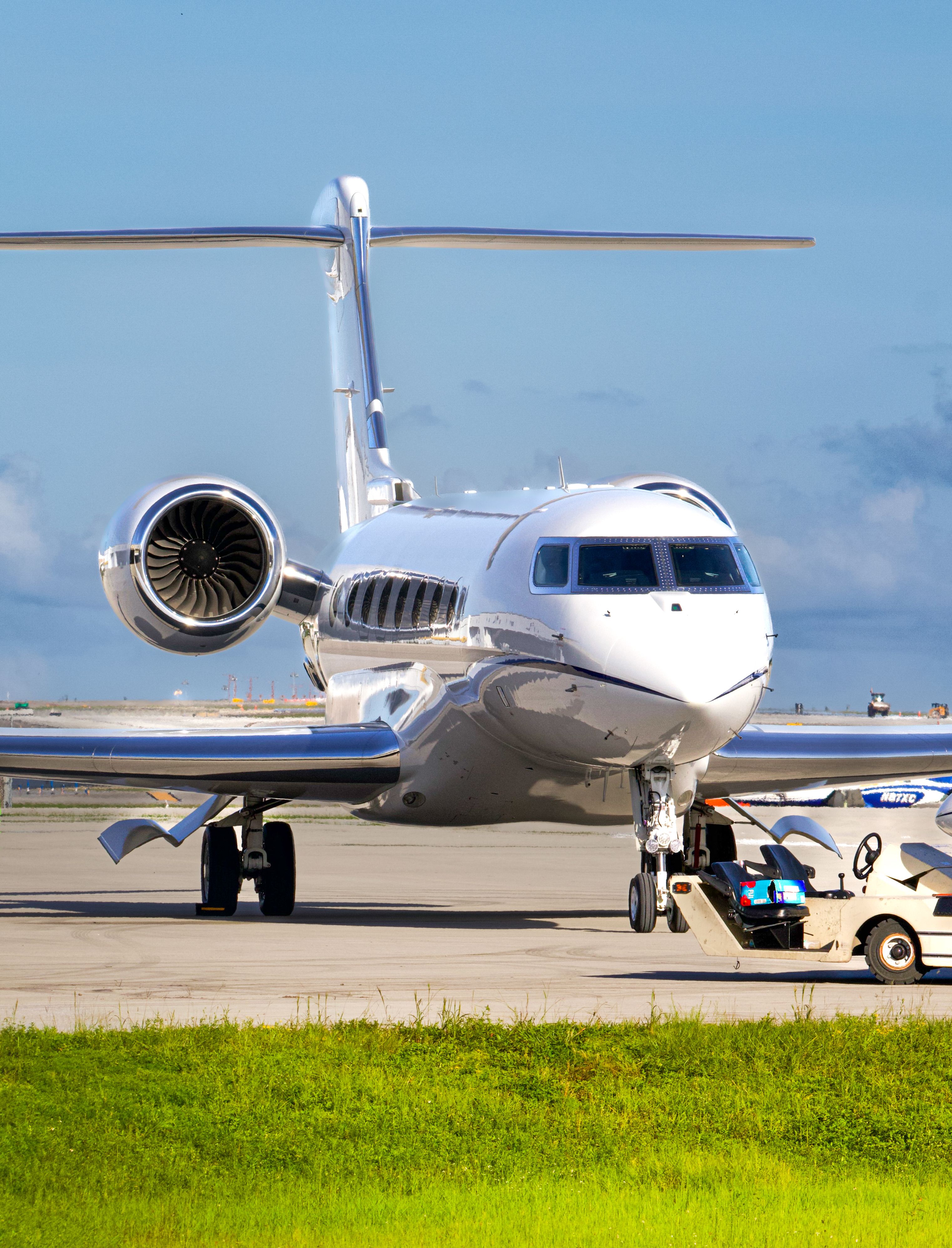
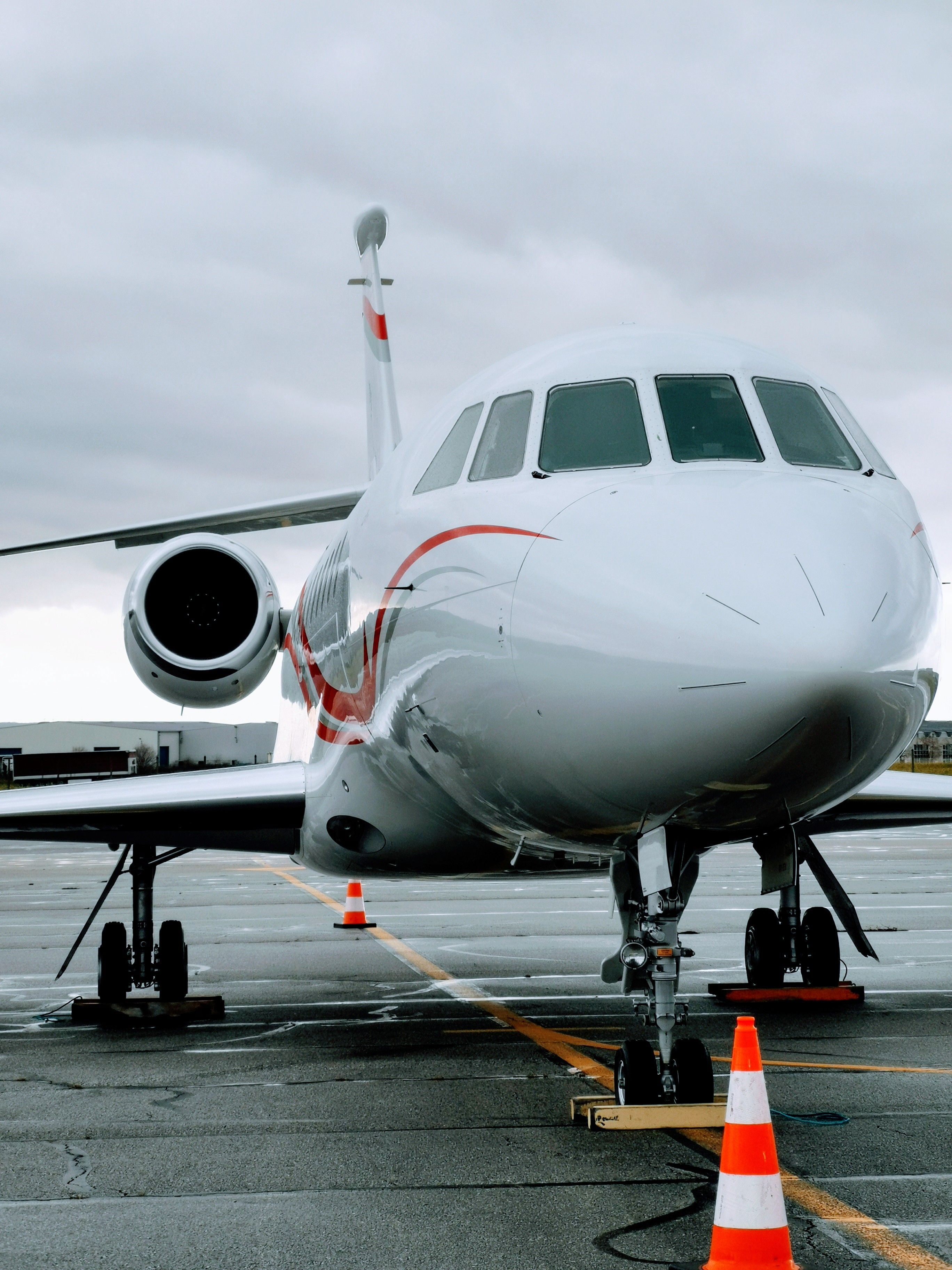
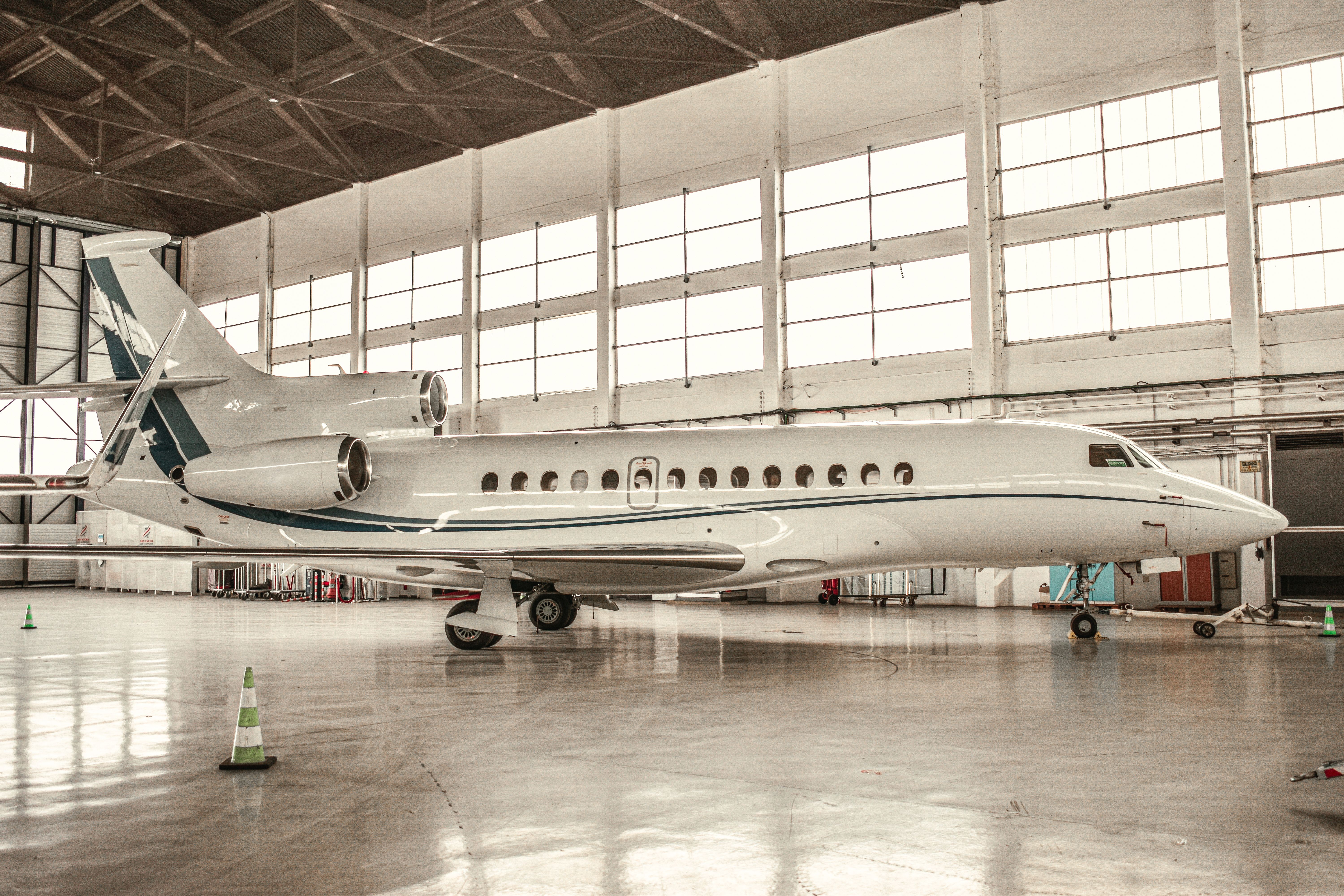
For decades, flying commercial was simply the cost of doing business. Executives accepted long security lines, layovers, and rigid schedules as unavoidable parts of corporate travel. That is changing. A growing number of business leaders are turning to private charter flights as a smarter, more efficient way to move between meetings, cities, and time zones. The reasons behind this shift go beyond luxury — they reflect how modern business actually operates.
Time Is the New Currency
Commercial air travel is built around fixed schedules and hub-and-spoke routing, which often means executives spend more time getting to and from airports than they do in the air. Private charter flips that equation. Flights can be arranged around a traveler's calendar rather than an airline's timetable, and many charter operators fly into smaller regional airports that are closer to city centers or corporate offices, cutting down on ground transportation time.
For executives juggling multiple meetings in different cities on the same day, this flexibility can make an itinerary possible that simply would not work on a commercial schedule.
Privacy and Productivity in the Air
A commercial cabin is a public space. A chartered aircraft is not. Executives increasingly value the ability to hold confidential calls, review sensitive documents, or simply prepare for a high-stakes meeting without the distractions and lack of privacy that come with flying commercial. For teams traveling together, a private cabin also doubles as a mobile conference room, allowing work to continue in transit instead of pausing until landing.
Flexibility When Plans Change
Business rarely goes exactly as planned. Meetings run long, deals close early, and priorities shift at the last minute. Commercial itineraries are difficult and often expensive to change on short notice. Private charter is inherently more adaptable — flights can frequently be scheduled with much shorter lead times than a commercial booking, and last-minute changes are generally easier to accommodate through a charter operator than through a traditional airline.
Access to a Range of Aircraft for Different Needs
Not every trip requires the same type of aircraft, and one of the advantages of working with a network of charter operators is access to a variety of options depending on the mission. A short regional hop for one or two passengers might call for a turboprop like a Beechcraft King Air, while a cross-country trip for a larger executive team might be better suited to a midsize or super-midsize jet such as a Bombardier Challenger 300 or Challenger 604. For longer international travel, larger cabin aircraft like a Bombardier Global 6000 or an Airbus ACJ319 offer the range and space needed for extended flights. This variety allows travelers to match the aircraft to the trip, rather than being locked into a one-size-fits-all commercial seat.
Reducing the Hidden Costs of Commercial Travel
Executive time has real value, and the hours lost to layovers, delays, and airport congestion carry a cost that does not show up on a ticket receipt. While private charter involves its own cost considerations, many business leaders weigh those expenses against the lost productivity, missed connections, and schedule strain that come with commercial travel. For companies where an executive's presence at a meeting or negotiation is critical, the reliability of a dedicated charter flight can outweigh the lower upfront price of a commercial ticket.
The Rise of Empty Leg Flights
One trend making private charter more accessible is the availability of empty leg flights — repositioning flights where an aircraft needs to return to its base or reposition for its next assignment. Because these flights are already scheduled to occur, they can sometimes be offered at a discount compared to a fully booked charter. Executives with flexible travel dates or routes can take advantage of these opportunities as a more cost-conscious way to experience private travel.
How Sky500 Fits Into the Picture
Sky500.com is an online travel service that connects travelers with a network of certified Part 135 charter operators, including access to discounted empty leg flights. It's important to understand that Sky500 itself does not own, operate, or maintain any aircraft, and it is not an air carrier or Part 135 operator. Instead, it functions as a resource that helps travelers find and connect with the operators who actually provide the flights.
There is no membership fee to use Sky500, which makes it a low-barrier way for executives and companies to explore whether private charter fits their travel needs. Whether the requirement is a light turboprop for a short regional trip or a larger cabin aircraft for an international itinerary, Sky500 can help connect travelers with operators who have access to a range of aircraft, from the Beechcraft Bonanza and King Air series to larger options like the Boeing 737 BBJ or Boeing 757.
Making the Shift Toward Private Travel
The move toward private charter among executives is less about status and more about strategy. Time saved at the airport, privacy in the air, flexibility when plans change, and the ability to match an aircraft to a specific mission all add up to a travel experience built around how business actually happens today. As more executives weigh the true cost of their time against the price of a ticket, private charter is increasingly viewed not as an indulgence, but as a practical business tool.
For those interested in learning more about how private charter works or exploring available options through a network of certified operators, Sky500 can be reached at 818-769-3535.