For travelers who have never flown privately, the idea of a charter flight can feel mysterious. Is it like a scaled-down version of commercial flying, or is the experience completely different? In reality, a private charter flight follows a fairly predictable rhythm, even though every trip is customized to the traveler's needs. Here's a walkthrough of what typically happens from the moment you decide to fly private to the moment you land.
Step 1: Requesting a Quote
The process usually begins with a simple request: where you're flying from, where you're going, your preferred dates, and how many passengers will be on board. This is where a service like Sky500.com comes in. Sky500 is an online travel service that connects travelers with certified Part 135 charter operators, helping match your trip details with available aircraft in its network. Importantly, Sky500 does not own or operate any aircraft itself — it works as a connector between travelers and the licensed operators who actually conduct the flights. There's no membership fee required to use the service, so getting a quote is simply a matter of sharing your travel details, which you can do by calling 818-769-3535 or submitting a request online.
Step 2: Choosing the Right Aircraft
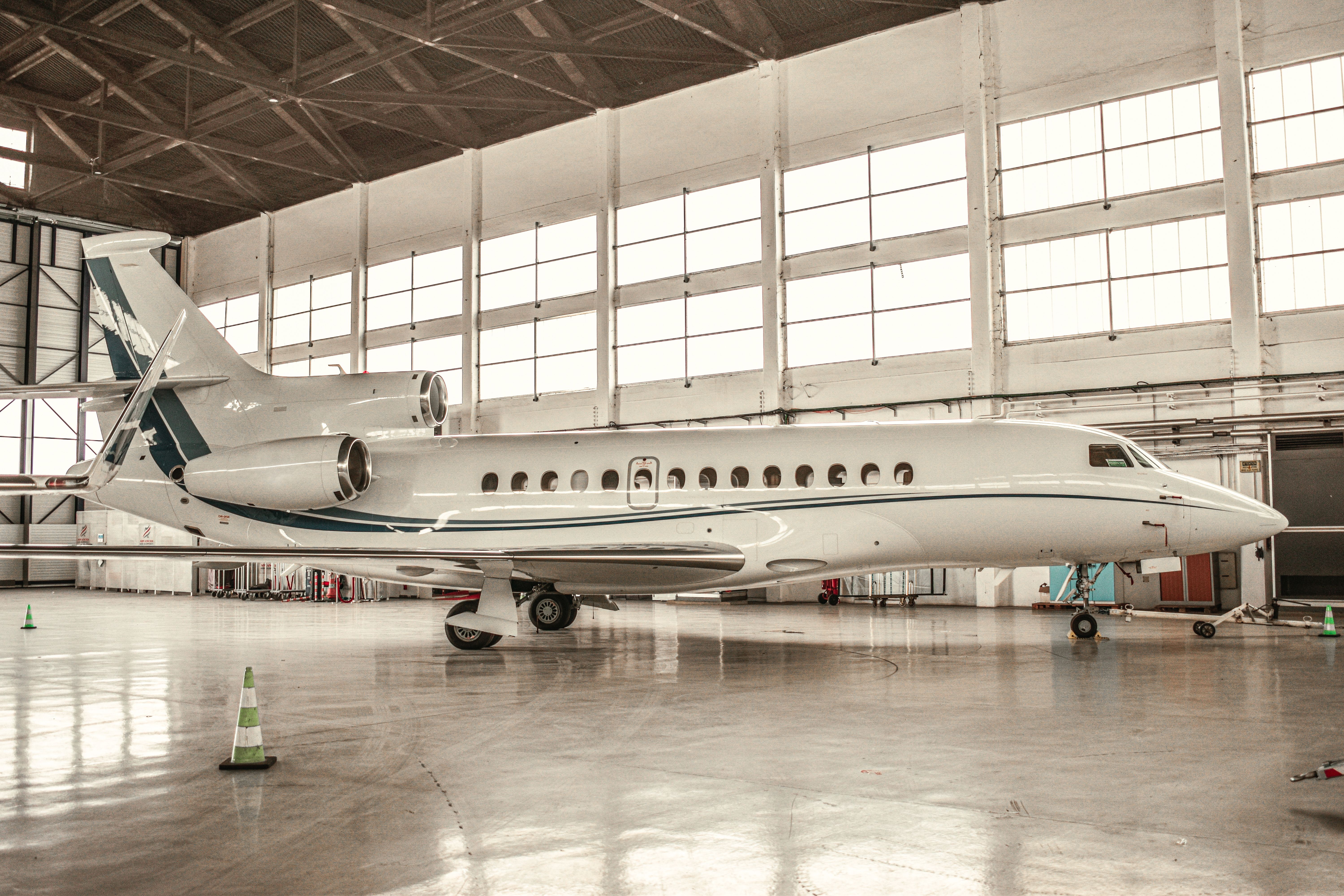
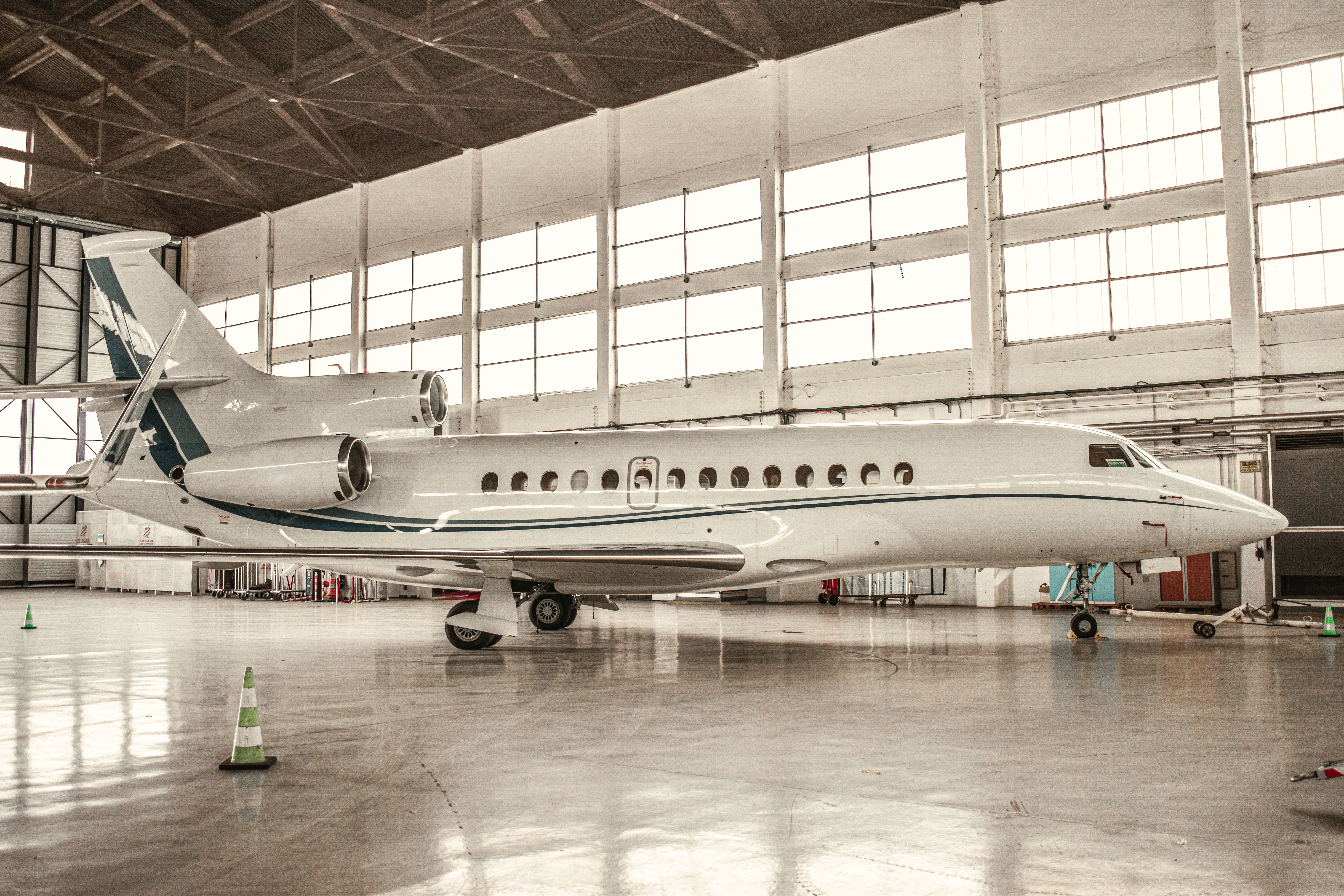
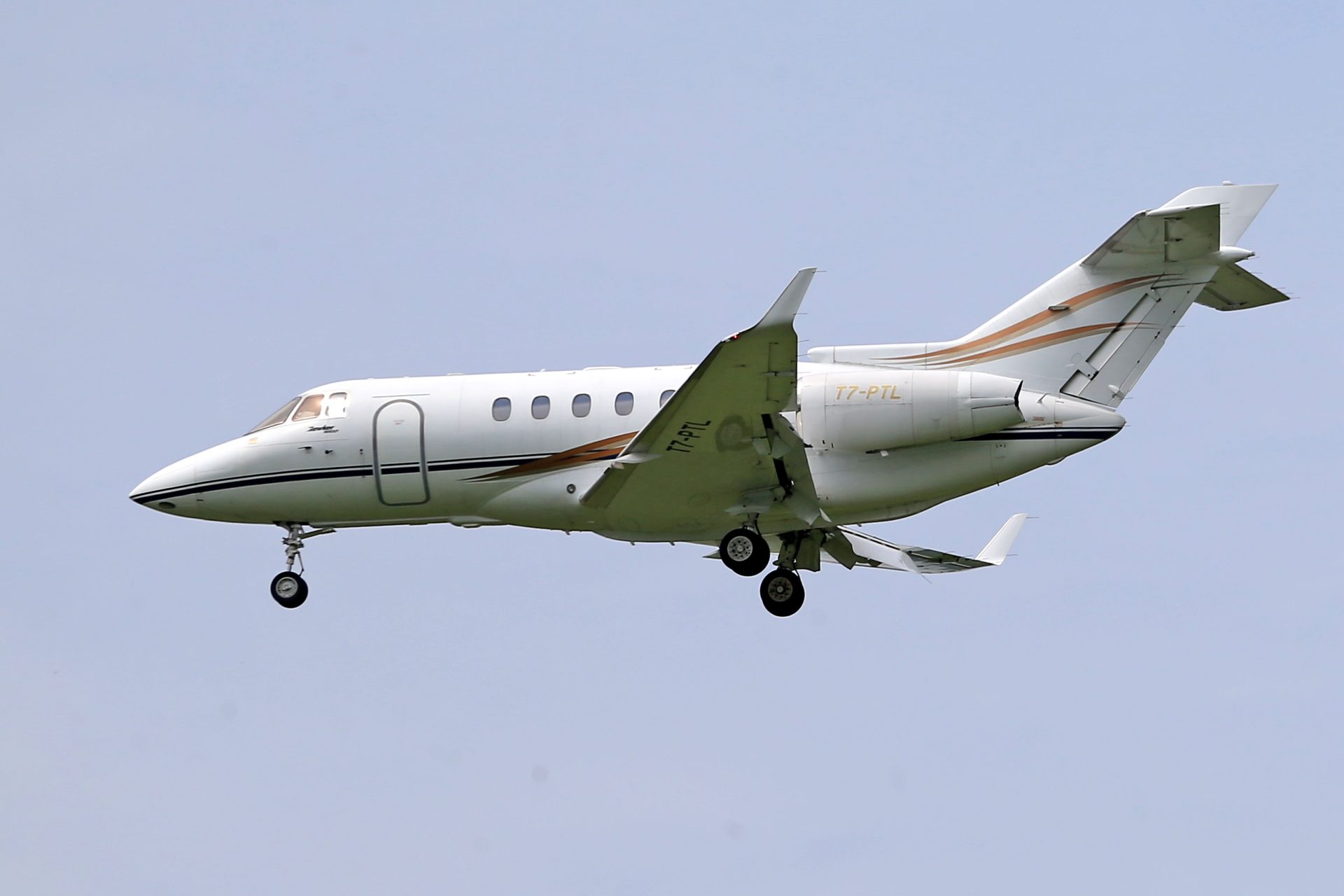
Once your trip details are known, options are presented based on group size, luggage needs, distance, and budget. Private aviation covers a wide range of aircraft categories. A short regional hop might be served by a turboprop like a Beechcraft King Air, while a cross-country trip for a small group could call for a light or midsize jet such as a Bombardier Challenger 300 or Beechcraft Premier 1. Larger groups or longer international routes might be matched with something like an Airbus ACJ319 or a Boeing Business Jet. Helicopters, such as an Airbus Helicopters H145 or Bell 407, are also sometimes used for short transfers, such as airport-to-destination hops. The right aircraft depends entirely on the specifics of the trip, and operators in the network can help identify what makes sense for your itinerary.
Step 3: Confirming the Trip
After selecting an aircraft and operator, the booking is confirmed through the Part 135 operator who will actually be flying and servicing the aircraft. This is an important distinction: while Sky500 facilitates the connection, the operator is the licensed air carrier responsible for the aircraft, crew, maintenance, and regulatory compliance. At this stage, passengers typically provide details such as passenger names, any special requests, and ground transportation needs if required.
Step 4: Arriving at the Airport
One of the most noticeable differences between flying commercial and flying private is the airport experience itself. Many charter flights depart from private aviation terminals, often called fixed-base operators (FBOs), rather than the main commercial terminal. These facilities are generally designed for a more streamlined arrival — passengers often arrive closer to departure time compared to commercial flights, since there's no large-scale security screening line or boarding process to navigate in the same way.
Step 5: Boarding and Takeoff
Boarding a charter aircraft is typically quick and informal. The crew greets passengers, luggage is loaded, and safety briefings are given before taxiing to the runway. Unlike commercial flights with fixed departure schedules shared among hundreds of passengers, charter flights are scheduled around the specific group flying that day, which allows for more flexibility in timing.
Step 6: In-Flight Experience
Once airborne, the in-flight experience varies depending on the aircraft type and the length of the trip. Smaller aircraft, like a Beechcraft Bonanza or Baron, are suited to shorter regional trips, while larger cabin aircraft, such as a Bombardier Global 5000 or Challenger 650, are built for longer-range travel with more interior space. Regardless of aircraft size, the general idea behind private charter is flexibility: passengers may be able to work, rest, or hold meetings in a more private, less crowded setting than a commercial cabin.
Step 7: Landing and Deplaning
Upon arrival, charter flights generally land at the destination airport best suited to the traveler's final destination, which may be a smaller regional airport closer to the actual endpoint rather than a large hub. Deplaning is typically fast, often without the wait times associated with taxiing to a commercial gate or collecting checked baggage from a carousel.
What About Empty Leg Flights?
One detail worth understanding is the concept of "empty leg" flights — repositioning flights where an aircraft needs to fly from one location to another without passengers, often after dropping off a previous group. Sky500 includes access to discounted empty leg flights as part of its network offerings. These flights follow the same operational steps described above, but the route and timing are generally fixed by the aircraft's existing schedule rather than fully customized to a new traveler's preferences.
Understanding the Role of the Operator
Throughout this entire process, it's worth remembering the roles involved. Sky500 operates as a broker and online travel service, helping travelers find and compare options among its network of Part 135 certified operators. The actual flight — including the aircraft, pilots, maintenance, and regulatory responsibilities — is handled entirely by the certified operator you're matched with. This separation is standard in the charter industry and is part of how travelers gain access to a broad range of aircraft types and operators without needing to arrange everything directly with multiple companies.
Final Thoughts
A private charter flight, at its core, follows a logical sequence: request, match, confirm, fly. What changes from trip to trip is the aircraft, the airports involved, and the level of customization in scheduling. For travelers curious about exploring private aviation for an upcoming trip, reaching out to a service like Sky500 is a straightforward way to start the conversation and better understand what options might fit a particular itinerary.
To learn more about requesting a quote or exploring available aircraft through Sky500's network of Part 135 operators, call 818-769-3535.