If you've ever requested a private jet charter quote, you may have noticed that prices can vary significantly from one trip to the next, even for similar distances. That's because charter pricing isn't based on a simple per-mile rate. It reflects a combination of factors tied to the aircraft, the route, the timing, and the operator providing the flight. Understanding these variables can help you make more informed decisions when planning a trip.
Sky500.com is an online travel service that connects travelers with a network of certified Part 135 charter operators, including access to discounted empty leg flights. Sky500 does not own, operate, or maintain aircraft and is not itself an air carrier. Instead, it helps travelers compare options across a network of operators so they can find a flight that fits their needs. With that context in mind, here are some of the key factors that typically influence charter pricing.
Aircraft Type and Size
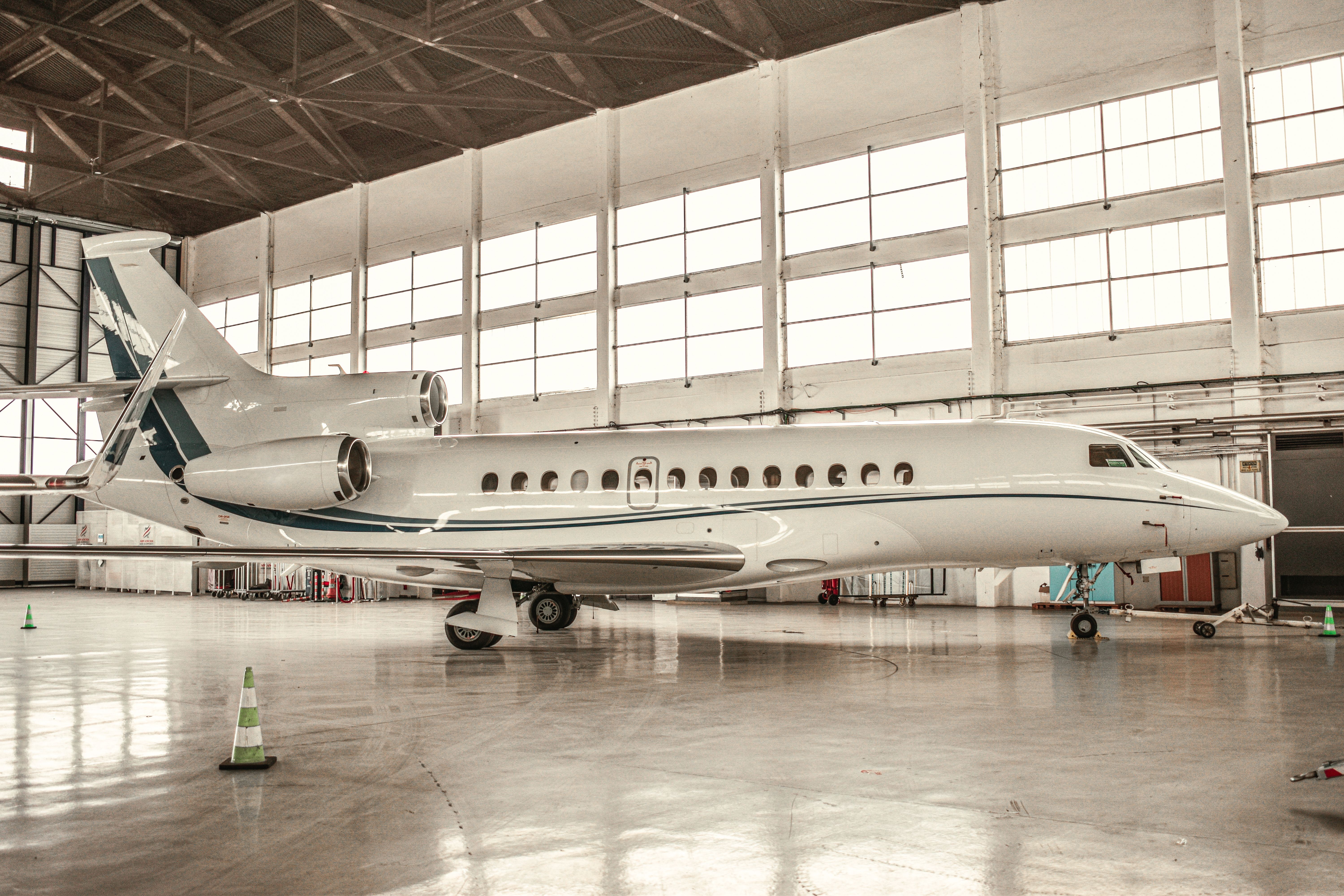
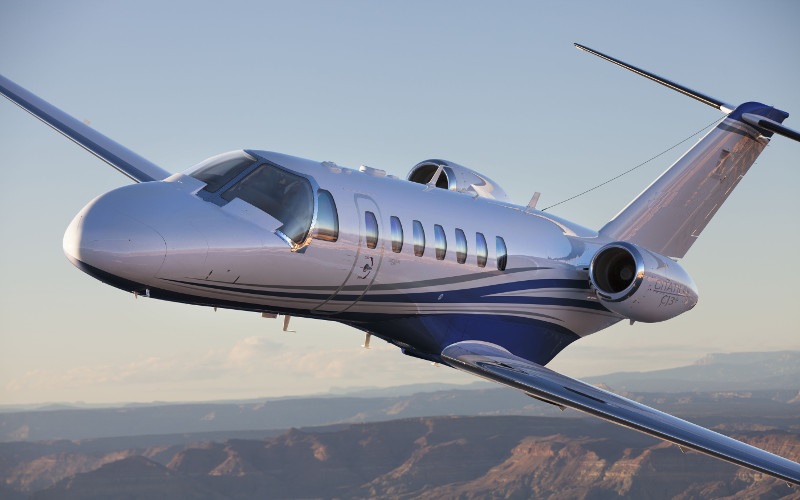
The category of aircraft you choose plays a major role in determining cost. Light aircraft generally cost less to operate than larger, longer-range jets, simply because of differences in fuel burn, crew requirements, and operating costs. For example, a turboprop or light jet such as a Beechcraft King Air will typically have a different cost structure than a larger cabin aircraft like a Bombardier Challenger 605 or an airliner-sized option like the Boeing 737 BBJ. Larger aircraft often offer more cabin space, range, and amenities, which can be reflected in the price.
Helicopters, such as the Airbus Helicopters H145 or Bell 407, represent another category entirely, often used for shorter regional trips or point-to-point transfers where runway access isn't available or practical.
Flight Distance and Routing
Distance is one of the more intuitive pricing factors. Longer flights naturally require more fuel and flight time, which affects the overall cost. But routing matters too. A direct flight between two well-served airports may price differently than one requiring a less common routing, repositioning, or multiple stops. Some trips also require the aircraft to fly empty to reach the departure airport before picking up passengers, known as a "positioning" or "deadhead" leg, which can add to the overall cost of a charter.
Empty Leg Opportunities
One way travelers can potentially reduce costs is by booking an empty leg flight. These occur when an aircraft needs to fly from one location to another without passengers, often after dropping off a previous group. Rather than flying empty, operators may offer these legs at a discount. Sky500 provides access to these empty leg opportunities through its network of operators, though availability depends on current schedules and routes, and these flights are generally less flexible in terms of timing than a fully customized charter.
Timing and Availability
When you want to fly can influence pricing just as much as where you want to go. Peak travel periods, last-minute bookings, and high-demand routes can all affect the rates operators offer. Conversely, more flexible travel dates may open up additional options, including empty leg flights, that might not be available for a trip with rigid timing requirements.
Operator-Specific Costs
Because Sky500 works with a network of independent Part 135 certified operators rather than operating its own fleet, pricing can vary from one operator to another for similar trips. Each operator manages its own fleet, crew, maintenance schedules, and overhead costs, all of which can influence the rates they quote. This is part of why comparing options across a network can be useful. It gives travelers visibility into a range of pricing based on different operators and aircraft rather than a single fixed rate.
Cabin Size and Passenger Count
The number of passengers traveling, along with any specific cabin requirements, can also shape which aircraft make sense for a given trip. A small group might be well-suited to a light jet like a Beechcraft Premier 1, while a larger group or one requiring more cabin space might look toward a midsize or super-midsize option such as a Bombardier Challenger 350. Matching the aircraft size to the group helps ensure the trip is both comfortable and appropriately priced for the mission.
Additional Trip Considerations
Beyond the core factors above, a few other elements can come into play:
- Airport fees, which can vary by location and facility
- Catering or ground transportation arrangements, if requested
- Seasonal demand in certain regions or during major events
- Aircraft availability at the specific airport and time requested
Each of these can contribute to the final quote a traveler receives, which is why two trips that look similar on paper, such as similar distances or passenger counts, may still come with different pricing depending on the specifics involved.
How Sky500 Fits In
Sky500.com was built to help simplify this process. As an online travel service, Sky500 connects travelers with a network of certified Part 135 operators, giving them a way to compare charter options, including empty leg flights, without needing to contact multiple operators individually. There is no membership fee to use Sky500, and because Sky500 is not an air carrier itself, every flight arranged through its network is operated by an independent, certified Part 135 operator responsible for the actual flight.
If you're exploring private jet charter options and want to better understand what's available for your specific trip, you can reach Sky500 at 818-769-3535 to discuss your travel needs and learn more about the aircraft and operators in its network.
Understanding the factors behind charter pricing can help you ask better questions, compare options more effectively, and plan a trip that fits both your needs and your budget.