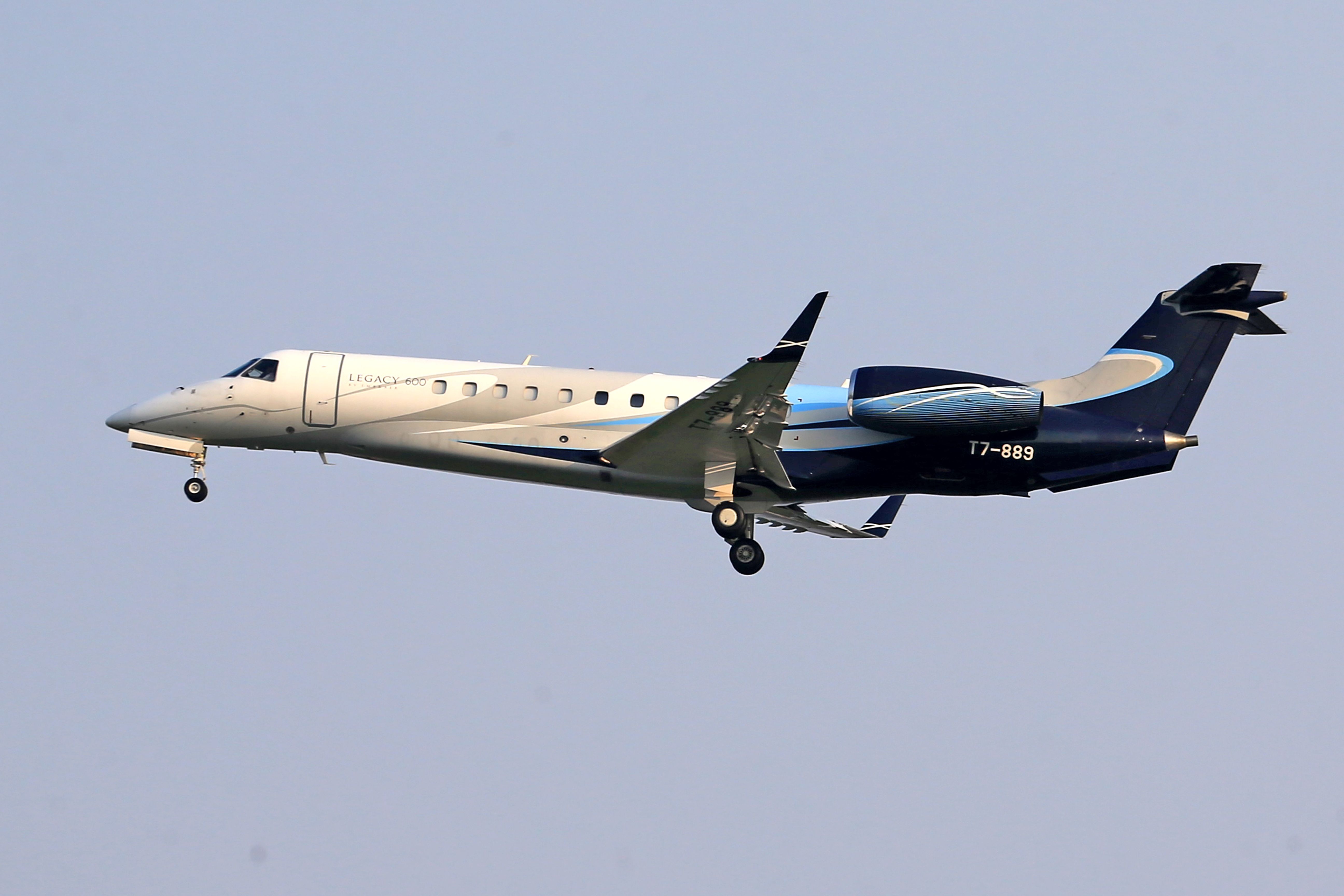
Private aviation often gets criticized for its environmental footprint, and it's a fair conversation to have. One aspect of that conversation that doesn't always get enough attention, though, is the simple reality of how charter aircraft move around the country and the world. Planes don't just fly from Point A to Point B and stay there — they have to return to base, reposition for their next passenger, or head to a maintenance facility. These are called "empty leg" flights, and they happen whether or not anyone books a seat.
That's the starting point for understanding why empty leg flights matter, both for travelers looking for a more accessible way to fly private and for anyone thinking about the resource efficiency of air travel in general.
What Is an Empty Leg Flight?
An empty leg flight occurs when a chartered aircraft needs to fly without passengers — typically because it just dropped off a group at one destination and now needs to get to its next assignment, head home, or reposition somewhere for an upcoming scheduled trip. Without someone booking that leg, the aircraft flies anyway, burning fuel with no revenue passengers on board.
Sky500.com connects travelers with a network of certified Part 135 operators who may have these empty leg flights available at a discount. Because the flight is happening regardless, operators are often willing to offer these seats or full-aircraft bookings at reduced rates compared to booking a dedicated charter from scratch. There's no membership fee required to use Sky500 to search for these opportunities.
Why This Matters From an Environmental Standpoint
The environmental argument for empty leg flights is fairly straightforward: the flight is going to happen either way. A repositioning aircraft is going to burn fuel and get into the air whether it's carrying four passengers or zero. When a traveler books that empty leg instead of letting it fly vacant, no additional flight is added to the skies. In effect, the trip that was already scheduled now serves a transportation purpose instead of simply returning equipment to base.
Contrast this with a dedicated charter, which is typically booked specifically for one group's itinerary. In that scenario, the aircraft often has to fly to the pickup location first, then to the destination, and then back to base or on to its next job. That can mean multiple flight segments tied to a single traveler's trip. With an empty leg, much of that movement is already locked in — a traveler is simply taking advantage of capacity that otherwise would go unused.
Private Aviation's Broader Efficiency Picture
It's worth noting that private jets, including light jets, midsize aircraft, and larger cabin aircraft, vary widely in size and fuel use. Sky500's network of Part 135 operators includes everything from smaller turboprops like the Beechcraft King Air series to larger cabin jets such as the Bombardier Challenger 605 or Challenger 650, up to airliner-style aircraft like the Boeing 737 BBJ. Helicopters such as the Airbus Helicopters H145 or Bell 407 are also part of the broader charter landscape.
Matching the right aircraft to the mission matters. A smaller aircraft on an empty leg route can be a sensible, resource-conscious option for a solo traveler or small group making a trip that aligns with where that aircraft already needs to go. The efficiency gain isn't about private aviation becoming "green" in an absolute sense — it's about not adding unnecessary flights to routes that are already being flown.
Flexibility Is Part of the Equation
Because empty leg flights are tied to an operator's existing schedule, they do require some flexibility from the traveler. The destination, timing, and aircraft type are generally set by the logistics of the original charter, not by the person booking the empty leg. Travelers who can be flexible on dates or who are open to a range of aircraft types are in the best position to take advantage of these opportunities.
This is where working with a broker like Sky500 can help simplify the search. Rather than trying to track down individual operators and their repositioning schedules, travelers can use Sky500.com to see what empty leg options are available through its network of certified Part 135 operators.
Keeping Expectations Realistic
It's important to be clear about what empty leg flights are and aren't. They are not a wholesale transformation of aviation's environmental impact, and no one should view booking an empty leg as eliminating the footprint of a flight. What they do represent is a more efficient use of flights that are already happening. Instead of an aircraft flying with empty seats, a traveler fills a need that existed anyway.
For anyone curious about empty leg availability, Sky500.com offers a simple way to search current listings without any membership commitment. Travelers can also call 818-769-3535 to talk through options with the Sky500 team.
The Takeaway
Empty leg flights won't solve every question raised about the environmental impact of private aviation, but they do represent a practical, logical way to reduce unnecessary waste in a system where repositioning flights are a routine part of how charter aircraft operate. For travelers who value flexibility and are interested in private jet travel, booking an empty leg through a network like Sky500's can be both a smart financial choice and a more resource-conscious one.