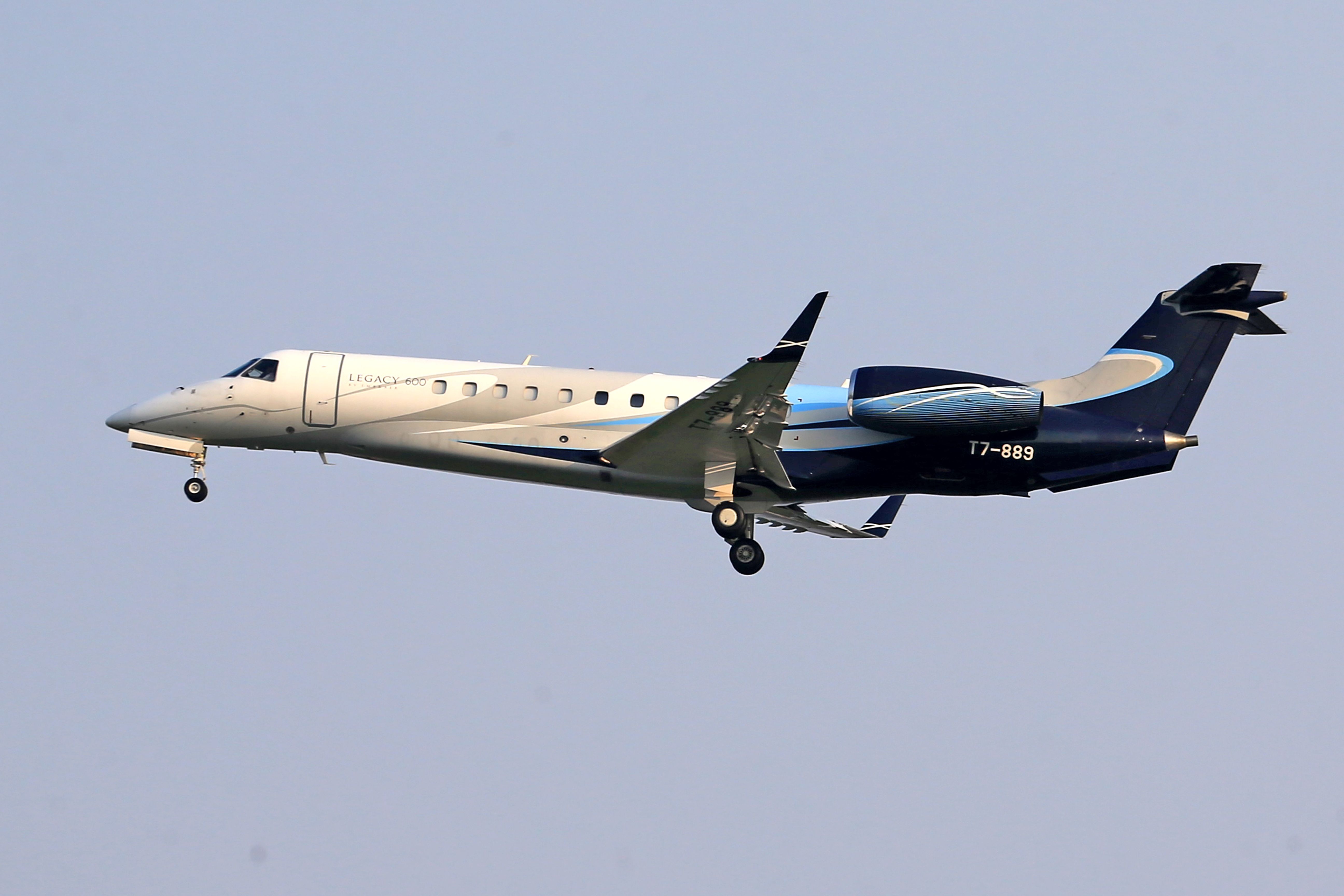
Private aviation often gets painted with a broad brush when it comes to environmental impact. But within the industry, there's a category of flying that tells a more nuanced story: the empty leg flight. Understanding what an empty leg is — and why filling one matters — offers a useful lens for thinking about efficiency in private air travel.
What Is an Empty Leg Flight?
When a private jet completes a charter, it doesn't simply stay parked at the destination. The aircraft often needs to reposition back to its home base, fly to its next scheduled charter, or return to pick up another passenger. If no one has booked that particular route, the plane flies empty. These repositioning flights are commonly referred to as "empty legs."
Historically, these flights happened regardless of whether anyone was on board. The aircraft was going to fly that route one way or another, as part of the normal operational rhythm of a Part 135 certified charter operator. The question isn't whether the flight happens — it's whether a seat on that already-scheduled flight gets used or goes to waste.
Why Filling Empty Seats Matters
From an efficiency standpoint, an aircraft flying with passengers aboard is making productive use of a flight that was going to occur anyway. Rather than adding a new flight to the skies, booking an empty leg simply means putting existing capacity to work. This is a meaningfully different proposition than chartering a dedicated one-way flight on demand, which typically requires the aircraft to make an additional trip it wouldn't have otherwise made.
Think of it in terms of resource utilization: an aircraft has a fixed amount of fuel it will burn flying from point A to point B regardless of how many people are aboard. Whether that plane carries zero passengers or a full cabin, the flight itself is happening. Filling the cabin with travelers who need to go exactly where the plane is already headed is simply smarter use of a resource already in motion.
How Sky500 Connects Travelers With Empty Legs
Sky500.com is an online travel service that connects travelers with a network of certified Part 135 charter operators, including access to discounted empty leg flights. Sky500 does not own, operate, or maintain any aircraft, and it is not itself an air carrier or Part 135 operator — it works as a broker, matching travelers with the operators who actually run these flights.
Through this network, travelers may find empty leg opportunities on a range of aircraft types, depending on what operators have scheduled. This can include everything from turboprops like the Beechcraft King Air series, to light and midsize jets such as the Beechcraft Premier 1 or Bombardier Challenger 300, up to larger cabin aircraft like the Bombardier Global 5000 or Airbus ACJ319. Because empty legs are tied to an operator's existing flight schedule, routes and aircraft availability vary and are not something that can be guaranteed in advance — but the underlying concept remains the same: using a flight that would otherwise go out empty.
There is no membership fee to use Sky500, making it straightforward for travelers curious about private aviation to explore what empty leg options might be available for their travel dates.
A More Thoughtful Way to Consider Private Flying
It's worth being clear-eyed about what empty leg flying is and isn't. Booking an empty leg doesn't eliminate the environmental footprint of a flight — the aircraft is still burning fuel and the trip is still happening. What it does is avoid adding an additional, otherwise unnecessary flight to accommodate a traveler's one-way trip. In that sense, it represents a more efficient use of an aircraft's movement rather than a reduction in overall flying.
For travelers already considering private aviation for convenience, flexibility, or access to airports that commercial carriers don't serve, empty leg flights offer a way to align those practical benefits with a more resourceful approach to how aircraft are used. Rather than requesting a dedicated charter that requires the plane to make a special trip, booking an empty leg means stepping into a flight that was already on the operator's calendar.
Things to Keep in Mind
- Empty leg flights follow the operator's existing schedule, so routes, dates, and aircraft types can change or become unavailable.
- Flexibility with travel dates and destinations increases the chances of finding a matching empty leg.
- Aircraft offered through the network range from smaller piston and turboprop options to larger midsize and heavy jets, depending on what's currently scheduled.
- Working with a broker like Sky500 means the actual flight is operated by a certified Part 135 operator, not by Sky500 itself.
Getting Started
For travelers interested in exploring empty leg options, Sky500 offers a no-membership-fee way to connect with Part 135 operators who may have repositioning flights that match a planned trip. Those interested can reach Sky500 directly at 818-769-3535 to learn more about current opportunities within the network.
Empty leg flights won't single-handedly transform the environmental conversation around private aviation, but they do represent a genuinely more efficient way to think about flying that's already happening. For travelers weighing convenience against impact, it's a detail worth understanding.