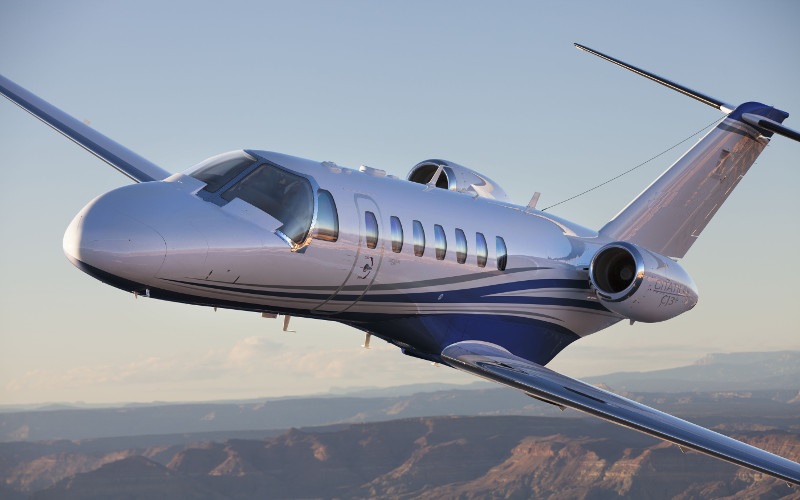
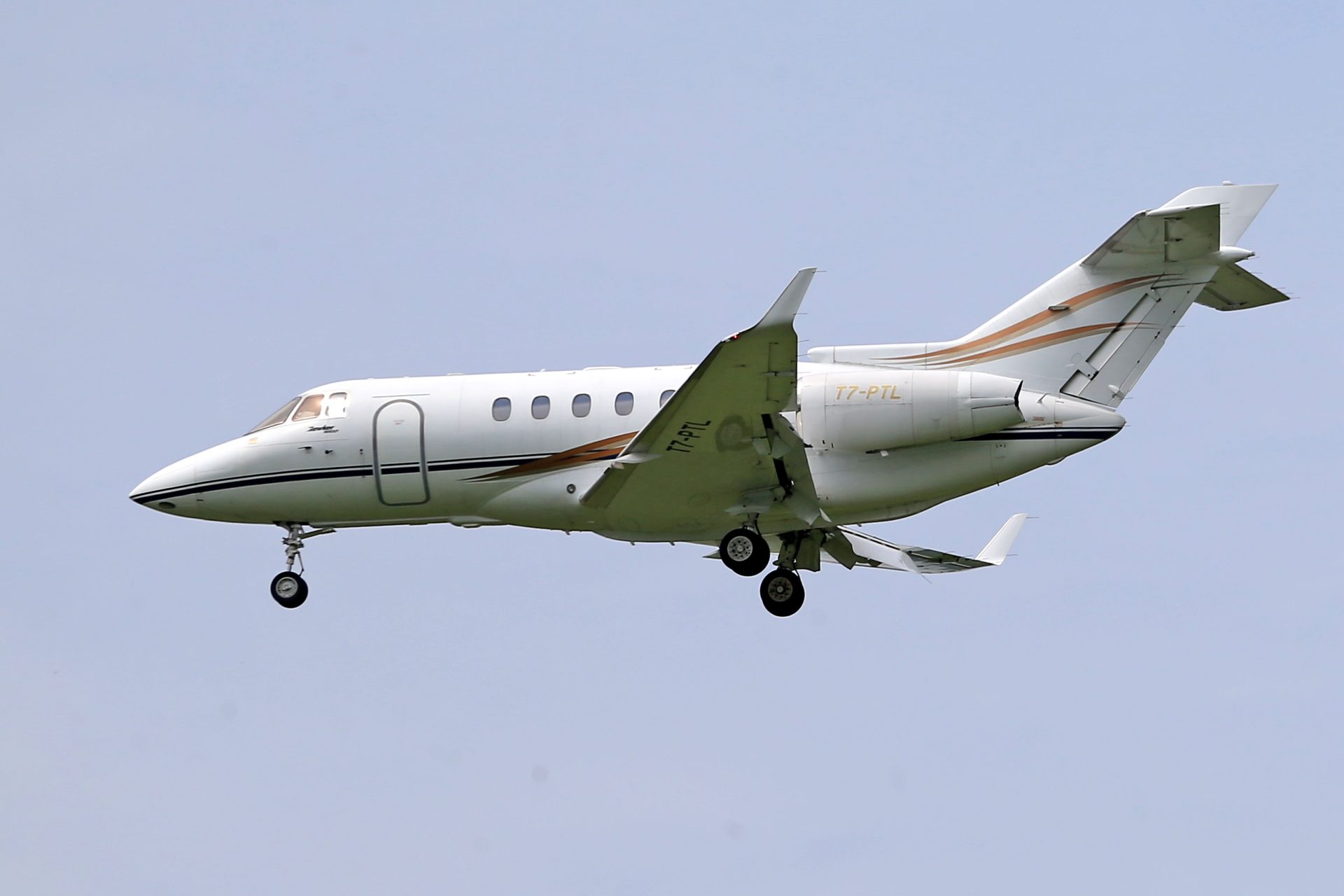
For executives and business owners, time is often the most valuable resource in any deal. A missed connection, a canceled flight, or a scheduling conflict can mean the difference between closing a contract and losing it. This is where private charter flights have become an increasingly practical tool for companies that need to move people quickly, reliably, and on their own terms.
Commercial airline schedules are built around hub networks and fixed routes, which rarely align perfectly with the needs of a business traveler who might need to visit two or three cities in a single day, or depart on short notice for an unplanned meeting. Private charter removes much of that rigidity, allowing travel plans to be built around the business itself rather than an airline's timetable.
How Private Charter Supports Time-Sensitive Travel
The core advantage of chartering a private aircraft is control. Instead of working around a handful of daily departures from a major airport, business travelers can often depart from smaller regional airports closer to their actual destination, cutting down on drive time and reducing the layers of security and boarding processes typical of commercial travel.
For time-sensitive trips, this can translate into meaningful differences in how a day is structured. A traveler might be able to:
- Depart on a schedule built around a meeting time rather than an airline's route map
- Fly into smaller airports located nearer to a final destination
- Adjust plans on short notice if a meeting is moved up, delayed, or added
- Visit multiple cities in a single day without the added friction of layovers
These factors don't eliminate the complexities of business travel, but they do give companies more flexibility when timing is critical.
Matching the Aircraft to the Trip
Not every business trip calls for the same type of aircraft, and one of the benefits of working with a broker like Sky500 is access to a range of aircraft types through a network of certified operators. A short regional hop for a small team might be well suited to a turboprop such as a Beechcraft King Air, while a cross-country trip with a larger group could call for a midsize or super-midsize jet like a Bombardier Challenger 300 or Challenger 350. For larger executive teams or longer international travel, aircraft such as the Airbus ACJ319 or Boeing 737 BBJ may be part of the conversation.
Because Sky500 works with a network of Part 135 certified operators rather than operating aircraft itself, travelers have access to a variety of options depending on group size, distance, and schedule, rather than being limited to a single operator's fleet.
Understanding Empty Leg Flights
One option worth understanding for businesses with some flexibility in their travel dates is the empty leg flight. These occur when a charter aircraft needs to reposition after dropping off passengers, flying back to its base, or heading to pick up another group. Rather than flying that leg empty, operators may offer it at a discounted rate.
Empty leg flights won't always align with a specific business need, since the routes and timing are determined by the aircraft's existing schedule rather than a custom request. But for companies that can build some flexibility into their travel plans, or that frequently travel common routes, keeping an eye on empty leg availability through a service like Sky500 can be a useful part of an overall travel strategy.
What to Expect When Working with a Charter Broker
It's worth understanding the role a broker like Sky500 plays in the process. Sky500.com is an online travel service that connects travelers with certified Part 135 charter operators — it does not own, operate, or maintain aircraft, and it is not itself an air carrier or Part 135 operator. Instead, Sky500 functions as a resource to help travelers find operators within its network that can meet their specific trip requirements, including aircraft type, timing, and route.
There is no membership fee to use Sky500, which means businesses can explore charter options without a long-term commitment before deciding whether private aviation makes sense for a particular trip or travel pattern.
Planning Ahead, Even for Short-Notice Trips
While one of the appeals of private charter is the ability to respond quickly to last-minute travel needs, it still helps to have a general understanding of what's available before an urgent situation arises. Knowing the types of aircraft in a broker's network, understanding how empty leg flights work, and having a point of contact ready can shorten the time it takes to arrange a flight when a true time-sensitive need comes up.
For businesses that regularly deal with tight schedules, shifting meeting times, or multi-city travel days, building a relationship with a charter broker ahead of time — rather than starting from scratch during a crisis — can make the process smoother when it matters most.
Getting Started
Private charter isn't the right fit for every trip, but for time-sensitive business travel, it offers a level of flexibility that commercial scheduling often can't match. Businesses interested in learning more about available aircraft types, current empty leg opportunities, or how the charter process works can reach Sky500 at 818-769-3535 to discuss their travel needs with a member of the team.