For executives and teams who need to visit multiple cities in a single trip, travel logistics can quickly become the biggest obstacle to productivity. Connecting flights, layovers, security lines, and rigid departure times all eat into the hours that could otherwise be spent in meetings or preparing for them. Private charter offers a different approach to multi-city travel, one built around the traveler's schedule rather than an airline's route map.
Here's a closer look at how chartering a private aircraft can help streamline complex, multi-stop business itineraries.
The Challenge of Multi-City Commercial Travel
Booking a multi-city trip on commercial airlines often means working around hub-and-spoke route systems. A direct route between two secondary cities may not exist at all, forcing travelers to connect through a major hub even when the two cities are relatively close to each other. Add in standard airport arrival windows, security screening, boarding procedures, and potential delays, and a single meeting day can turn into a multi-day ordeal.
For business travelers with three, four, or more stops planned in a short window, these inefficiencies compound. What looks like a one-day itinerary on paper can realistically require two or three days once commercial flight schedules are factored in.
How Private Charter Changes the Equation
Private charter flights are typically scheduled around the traveler's itinerary rather than the other way around. This flexibility can make a meaningful difference on multi-city trips in several ways:
- Flights depart when you're ready. Instead of booking seats on fixed commercial schedules, a charter flight can generally be arranged to depart once meetings conclude, reducing idle time at the airport.
- Access to smaller airports. Many charter operators can use smaller regional airports that are closer to business destinations than major commercial hubs, which can cut down on ground transportation time at each stop.
- Fewer touchpoints. Private terminals often involve a more streamlined check-in process compared with commercial terminals, which can reduce the time spent moving through the airport itself.
- One aircraft, multiple stops. Rather than booking separate tickets for each leg of a trip, a single charter itinerary can sometimes be arranged to cover multiple city stops in sequence.
None of this eliminates travel time entirely, but it does give business travelers more control over how that time is used, which is often the real value proposition for multi-city trips.
Matching the Aircraft to the Itinerary
Another advantage of chartering is the ability to select an aircraft type that's appropriate for the specific trip. A short hop between two nearby cities might be well suited to a turboprop or light jet, while a longer multi-city circuit spanning several regions might call for a larger cabin aircraft with greater range.
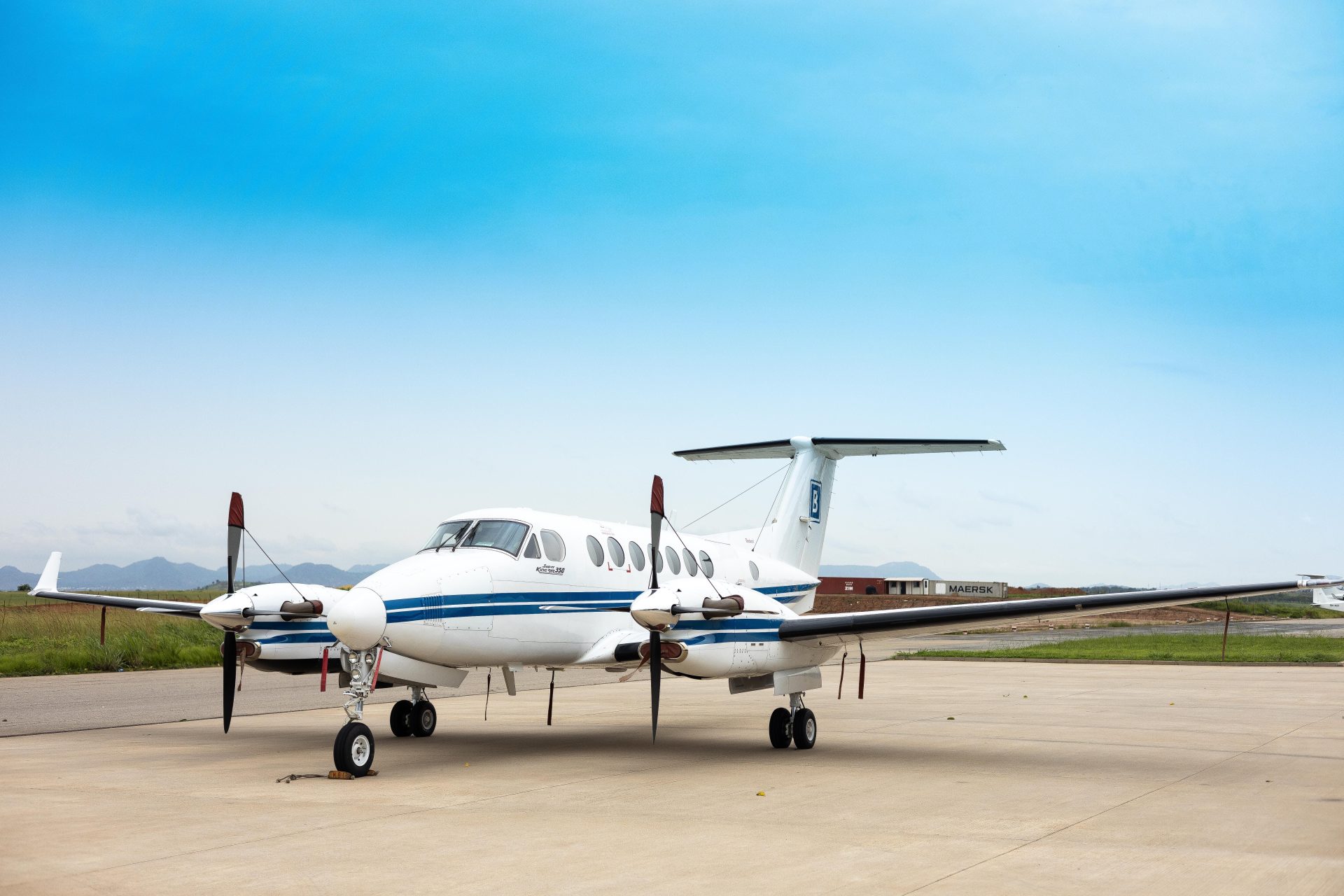
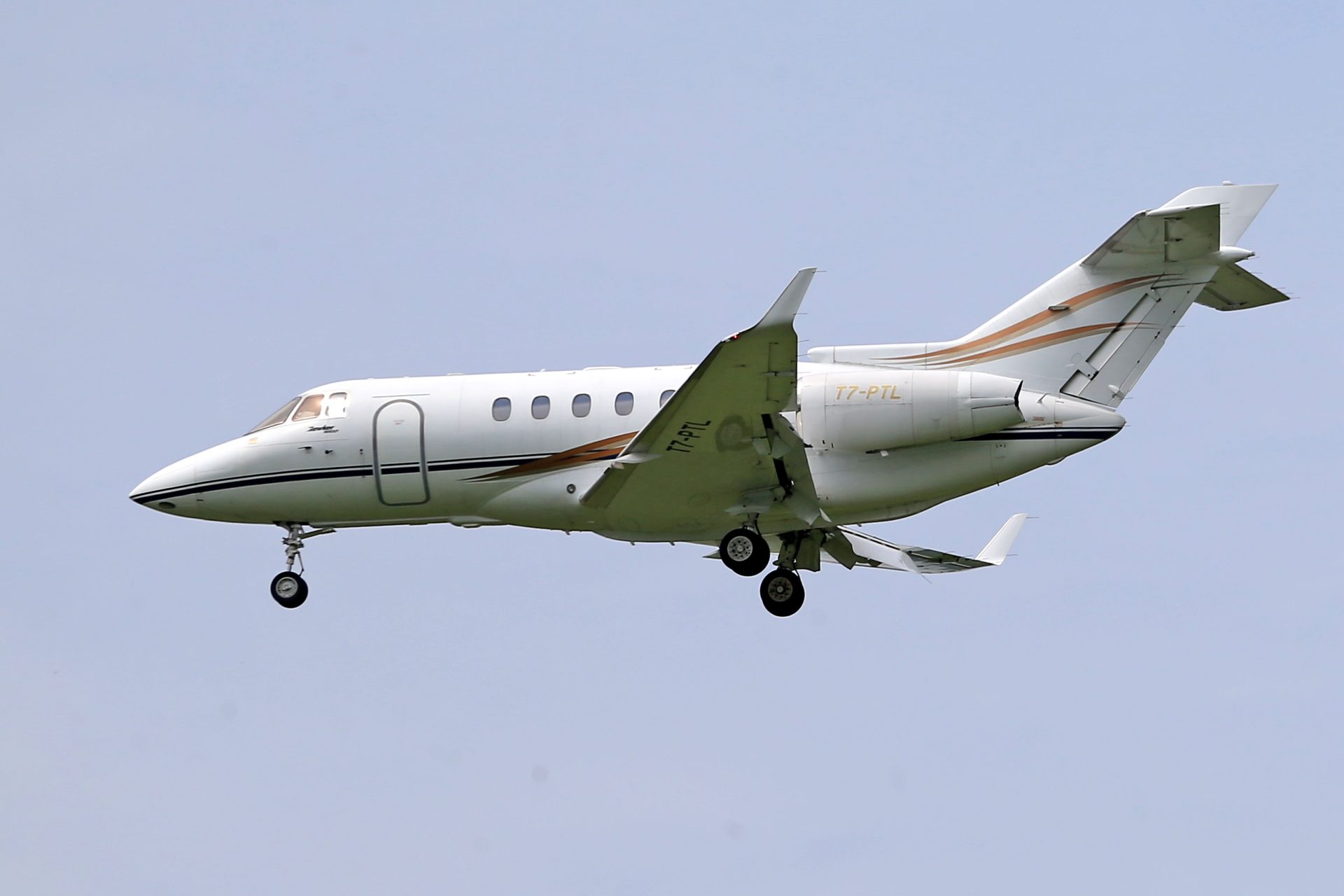
Through its network of certified Part 135 operators, Sky500 can help connect travelers with a range of aircraft types depending on the mission, from smaller options like the Beechcraft King Air 350 or Beechcraft Premier 1 for shorter regional legs, to midsize options like the Bombardier Challenger 300 or Bombardier Challenger 604, up to larger cabin aircraft such as the Bombardier Global 5000 or Airbus ACJ319 for longer multi-city routings. The right aircraft for a given itinerary depends on factors like distance between stops, number of passengers, and baggage needs, and operators in the network can help assess those details on a trip-by-trip basis.
Flexibility When Plans Change
Multi-city business trips are often subject to last-minute changes. A meeting runs long, a client reschedules, or a new stop gets added to the itinerary. Commercial airline tickets, particularly multi-city fares, can be difficult and costly to modify on short notice. Private charter arrangements are generally structured around the specific trip, which can make it easier to adjust timing or routing in coordination with the operator as plans evolve.
Considering Empty Leg Flights
For travelers with some flexibility in their schedule, empty leg flights are worth understanding as part of a multi-city strategy. These are repositioning flights that a charter aircraft needs to make anyway, often offered at a discount since the aircraft is flying that route regardless of whether it carries passengers. Sky500 lists discounted empty leg flights from its network of operators, which can sometimes align well with one or more legs of a multi-city itinerary. Because empty leg availability is tied to an operator's existing schedule, it works best as a complement to a travel plan rather than the sole basis for one.
How Sky500 Fits In
Sky500.com is an online travel service that connects travelers with a network of certified Part 135 charter operators. Sky500 itself does not own, operate, or maintain aircraft and is not an air carrier or Part 135 operator; instead, it helps travelers identify and arrange charter flights through operators in its network, including access to discounted empty leg flights when available. There is no membership fee to use Sky500, which makes it a straightforward starting point for business travelers exploring whether charter makes sense for an upcoming multi-city trip.
Planning a Multi-City Trip
Before booking a complex itinerary, it helps to map out each leg of the trip, approximate passenger counts, and any scheduling constraints at each stop. This information allows an operator to recommend an appropriate aircraft and help structure the itinerary efficiently. For business travelers who regularly juggle multiple cities in a short span, private charter offers a way to reclaim time that would otherwise be lost to commercial connections and layovers.
To learn more about how private charter could work for an upcoming multi-city business trip, travelers can reach Sky500 at 818-769-3535.