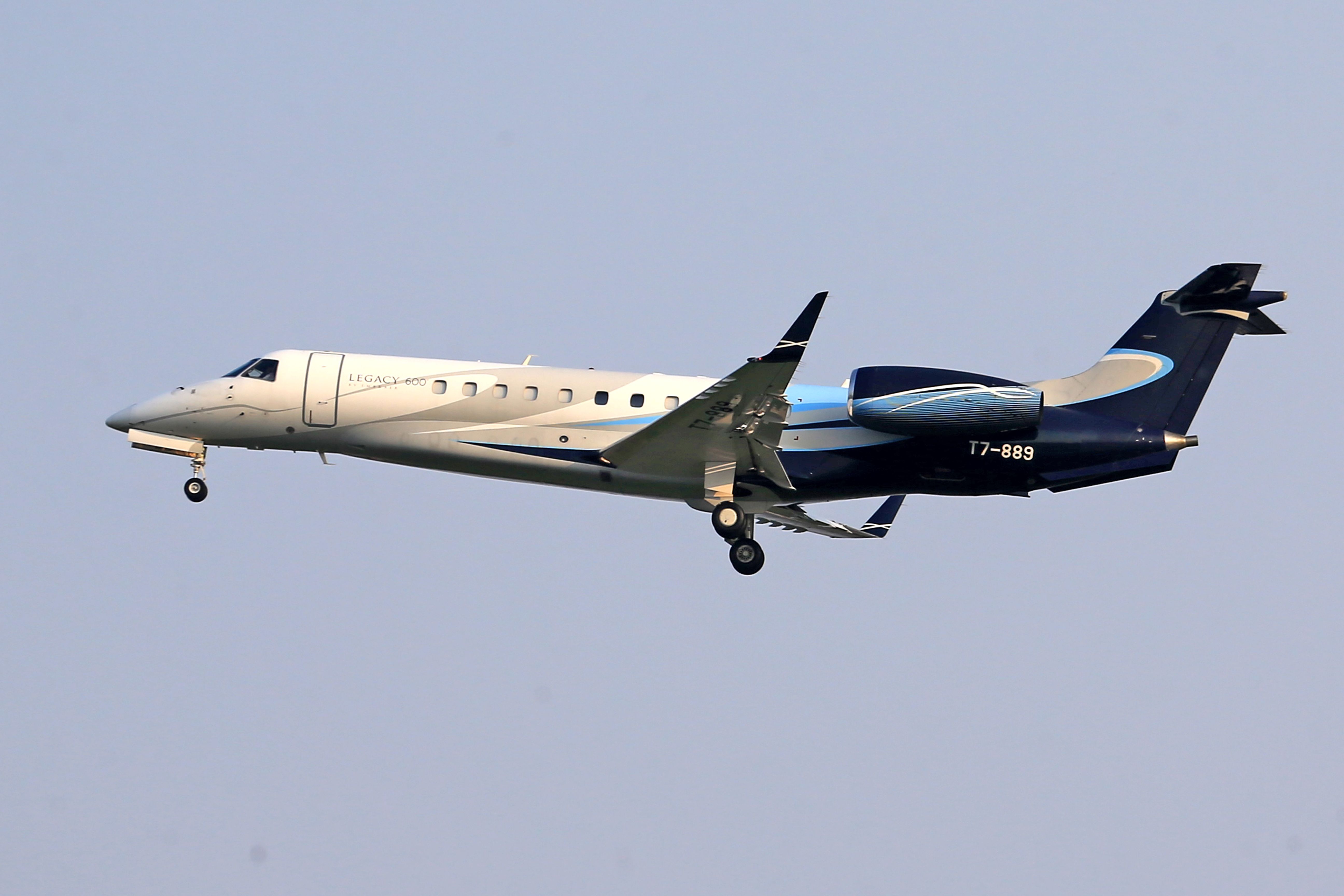
If you've spent any time researching private aviation, you've likely come across the term "empty leg flight." These one-way repositioning flights are often mentioned as a way to experience private jet travel at a reduced cost compared to booking a round-trip charter. But what actually goes into the price an operator sets for one of these flights? Understanding the basics can help travelers make more informed decisions when browsing available options.
What Is an Empty Leg Flight?
An empty leg occurs when a chartered aircraft needs to fly from one location to another without passengers aboard. This typically happens after a one-way charter has been completed and the aircraft must reposition to its next assignment, return to its home base, or reach a location where its next passengers are waiting. Rather than letting that flight occur with an empty cabin, many Part 135 certified operators choose to offer the seats to other travelers, often at a reduced rate compared to a traditional, dedicated charter.
The Core Factors Behind Empty Leg Pricing
Every operator has its own internal approach to pricing, but several common factors tend to influence how an empty leg flight is priced.
Fixed Costs Already Committed
Because the aircraft is flying regardless of whether passengers are on board, many of the fixed costs associated with that flight segment — such as crew scheduling and the aircraft's repositioning requirement — are already built into the operator's plans. This is part of why empty leg pricing can differ from the cost of chartering a dedicated round trip, where the operator must account for the full cost of flying the aircraft in both directions.
Fuel and Operating Costs
Fuel remains one of the most significant variable costs in any flight. Operators factor in the distance, the type of aircraft being flown, and current fuel costs when determining what they're willing to charge for a particular empty leg. Larger aircraft, such as a Boeing 737 BBJ or a Bombardier Global 5000, naturally carry different operating cost profiles than a lighter aircraft like a Beechcraft King Air or Beechcraft Premier 1.
Timing and Flexibility
Empty leg flights are tied to a specific date, time, and route that's already been determined by the original charter. Operators generally have limited flexibility to adjust these parameters, which is one of the trade-offs travelers accept in exchange for the potential savings. Because the schedule is fixed, operators may price these flights based on how quickly they need to fill the seats and how much notice is available before departure.
Aircraft Type and Cabin Size
The type of aircraft flying the empty leg plays a role in pricing as well. A turboprop like a Beechcraft King Air 350 will have a different cost structure than a midsize jet such as a Bombardier Challenger 350, or a larger cabin aircraft like a Bombardier Challenger 650. Helicopters, such as an Airbus Helicopters H145, follow their own distinct pricing considerations tied to rotorcraft operations. Operators weigh these aircraft-specific factors when deciding how to price an open seat on a repositioning flight.
Route Popularity and Market Demand
Some routes see more charter activity than others, and operators may consider regional demand when pricing empty legs. A repositioning flight along a frequently flown corridor may be priced differently than one along a less common route, simply based on how often similar opportunities arise and how operators expect demand to behave.
Operator Discretion
Ultimately, each Part 135 certified operator retains full discretion over how it prices its own empty leg flights. There's no universal formula, and pricing can vary from one operator to another, even for seemingly similar routes or aircraft types. This is why it's worth exploring multiple opportunities rather than assuming any single number represents the industry standard.
Why Empty Legs Aren't Always Predictable
Because empty leg flights are a byproduct of other travelers' charter itineraries, availability can change quickly, and schedules aren't guaranteed in advance the way they might be with a fully booked charter. A flight that appears on offer today may not be available tomorrow if the aircraft's schedule changes or if the opportunity is booked by someone else. This dynamic is part of what makes empty leg travel an interesting but sometimes time-sensitive option for travelers with flexible plans.
How Sky500 Fits Into the Picture
Sky500.com is an online travel service that connects travelers with a network of certified Part 135 charter operators, including access to discounted empty leg flights. It's important to note that Sky500 does not own, operate, or maintain any aircraft, and is not itself an air carrier or Part 135 operator. Instead, Sky500 serves as a resource that helps travelers discover empty leg opportunities offered by its network of operators, which includes access to a range of aircraft types, from light aircraft like the Beechcraft Bonanza to larger cabin jets like the Boeing 757.
There is no membership fee to use Sky500, making it a straightforward way for travelers to explore what's currently available without a financial commitment just to browse options.
Final Thoughts
Empty leg flights represent one of the more interesting aspects of private aviation, offering a glimpse into how operators manage their aircraft schedules efficiently. While pricing isn't standardized across the industry, understanding the factors that typically influence an operator's decision — fixed costs, fuel, aircraft type, timing, and market demand — can help travelers approach these opportunities with realistic expectations.
If you're curious about exploring empty leg options through a network of certified Part 135 operators, you can reach Sky500 at 818-769-3535 to learn more about current opportunities.