For most companies, the decision between booking a commercial flight or chartering a private aircraft comes down to one question: which option actually costs less? The answer isn't always obvious, because the true cost of business travel includes far more than the price printed on a ticket or charter quote. To make a fair comparison, it helps to look beyond the base fare and consider time, productivity, flexibility, and the indirect expenses that come with each mode of travel.
The Sticker Price Isn't the Whole Story
On paper, a commercial airline ticket almost always looks cheaper than a private charter. That's simply arithmetic — airlines spread the cost of a flight across hundreds of passengers, while a chartered aircraft is dedicated to one traveler or group. But business travel costs rarely stop at the ticket price. Once you factor in connecting flights, baggage fees, ground transportation, hotel stays caused by scheduling gaps, and the value of employee time lost in airports, the comparison starts to shift.
Time Is a Real Business Expense
Commercial travel often requires arriving at the airport well in advance of departure, moving through security lines, and potentially routing through a connecting hub rather than flying directly to your destination. For a single traveler, this might add a few hours to a trip. For a team of executives, multiply that time by every person in the group, and the cumulative hours spent waiting, connecting, and recovering from delays can represent a meaningful cost in lost productivity.
Private charter flights are generally built around the traveler's schedule rather than a fixed timetable. Many private terminals allow for shorter arrival windows before departure, and because the aircraft isn't tied to a hub-and-spoke network, it can often fly closer to the traveler's actual destination rather than the nearest major commercial airport. For time-sensitive trips — same-day meetings, multi-city itineraries, or last-minute travel — this flexibility can be a significant factor in the overall cost-benefit equation.
Group Travel Changes the Math
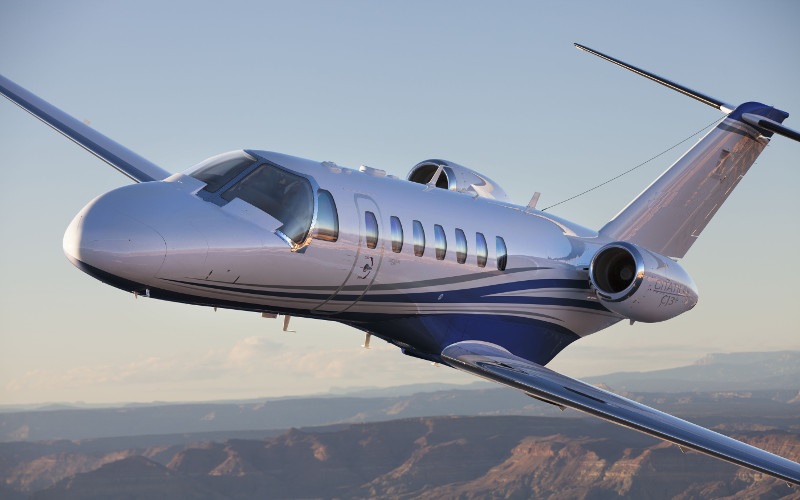
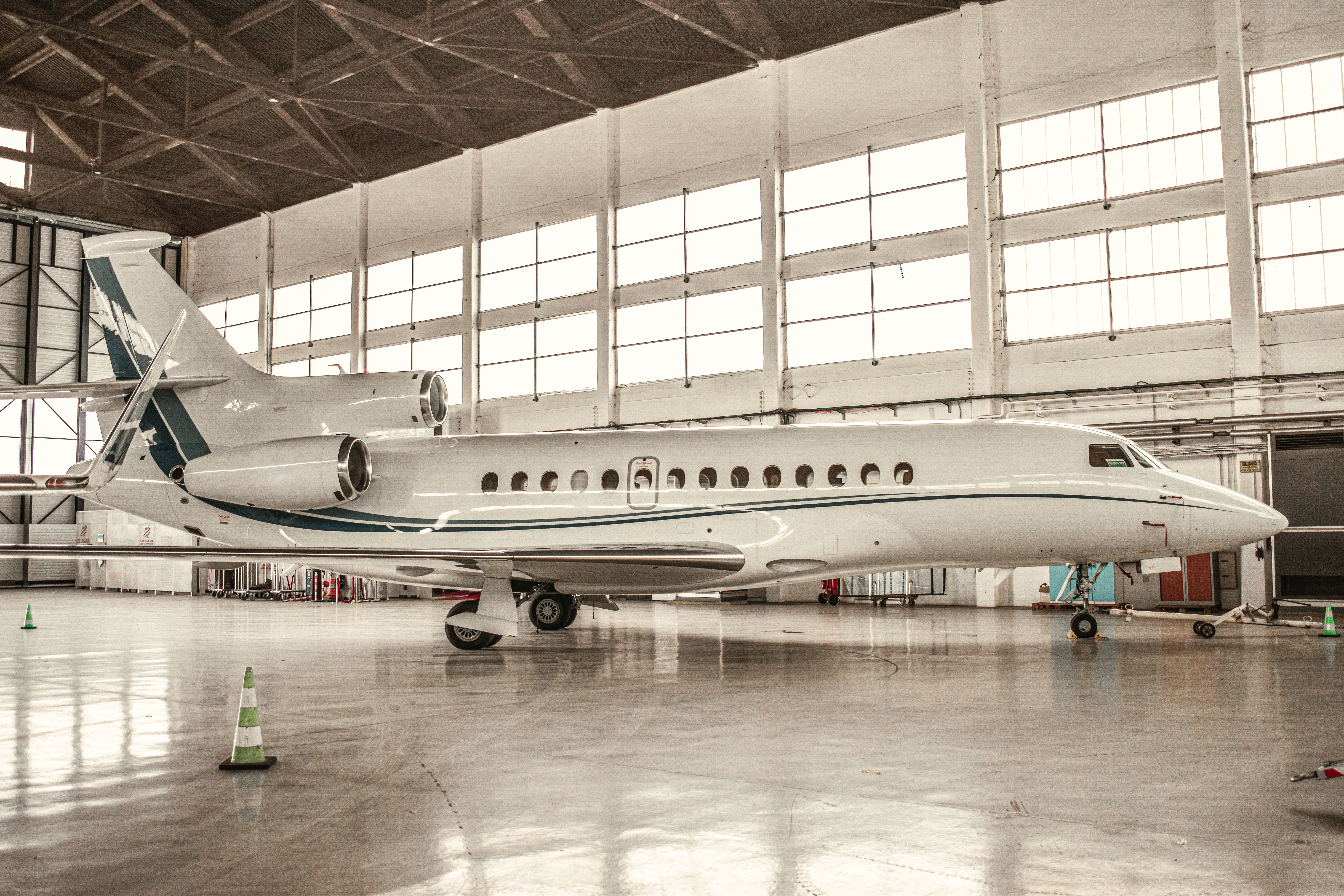
One of the clearest places where private charter can close the cost gap with commercial travel is group travel. When several colleagues need to reach the same destination, commercial airfare costs multiply per seat, and coordinating everyone's schedules around available flights can be its own logistical challenge. A single chartered aircraft, by contrast, is priced for the trip rather than per passenger, which means the per-person cost can become more competitive as the size of the traveling group grows. Depending on the itinerary, a private charter booked through a network of Part 135 certified operators may be flown aboard anything from a light jet to a larger cabin aircraft such as a Bombardier Challenger series jet or an Airbus-based VIP aircraft, depending on group size and route.
Flexibility and Last-Minute Changes
Business travel plans change. Meetings get rescheduled, deals close early, and sometimes a trip needs to happen on short notice. Commercial airlines typically charge change fees or require rebooking into whatever fares remain available, which can be costly and unpredictable. Private charter arrangements are generally structured around the specific trip being booked, which can make last-minute adjustments more straightforward to manage — though any change in timing or routing should always be discussed directly with the operator handling the flight.
Empty Leg Flights: A Cost-Conscious Option
One way some businesses manage the cost of private travel is through empty leg flights — repositioning flights that occur when an aircraft needs to return to its base or reposition for its next charter after dropping off passengers. Because these flights are already happening regardless of whether a paying passenger is aboard, they are sometimes offered at a discount compared to a standard charter booking. Sky500.com lists discounted empty leg flights alongside standard charter options, giving businesses another way to access private aviation when their schedule happens to align with an available leg.
Considering the Full Picture
When weighing commercial against private travel for business, it's worth asking a few practical questions:
- How many people are traveling, and does splitting costs across a private charter change the per-person math?
- How much is a day of lost productivity worth to your business if a commercial itinerary includes long layovers or inconvenient connection times?
- Does the trip require visiting an airport near a destination that isn't well served by commercial airlines?
- How much flexibility does your business need if plans shift close to departure?
There's no single answer that applies to every trip. A solo employee traveling to a major hub city on a flexible date may find commercial travel perfectly efficient. A team of executives needing to visit several smaller markets in a single day may find that a private charter, aboard an aircraft like a Beechcraft King Air or a Bombardier Challenger, actually saves money once time and logistics are factored in.
How Sky500 Fits In
Sky500.com is an online travel service that connects travelers with a network of certified Part 135 charter operators, offering access to private jet flights, including discounted empty leg flights, without any membership fee. Sky500 itself does not own, operate, or maintain aircraft and is not an air carrier — it simply helps connect travelers with operators who can match a trip to the right aircraft, from light jets to larger cabin options. If you're weighing commercial travel against a private charter for an upcoming business trip, the team at Sky500 can be reached at 818-769-3535 to talk through the options available for your specific route and schedule.
Ultimately, the "true cost" of business travel is about more than a single fare comparison. By accounting for time, flexibility, group size, and the value of a predictable schedule, companies can make a more informed decision about when commercial travel makes sense — and when private charter might actually be the more efficient choice.